
Knowing how to style a maxi skirt drives multi-season demand, but sourcing these staples without strict quality control kills retail margins. Flowing silhouettes require flawless drape, and relying on manufacturers with inconsistent pattern grading turns high-volume orders into dead inventory.
This analysis evaluates fabric draping standards, from lightweight chiffon to structured denim, alongside critical factory production protocols. We examine the impact of high-temperature shrinking machines and 12-hour B2B communication frameworks to help you secure scalable, high-margin inventory that maintains precise measurements order after order.
Why Maxi Skirts Are A Staple For Womenswear Brands
Maxi skirts drive consistent sales for womenswear brands through multi-season adaptability, unmatched comfort, and styling flexibility that encourages repeat customer purchases.
Year-Round Versatility and Styling Options
Shoppers expect multi-season value from their wardrobe investments. Maxi skirts deliver on this demand by functioning as a reliable year-round foundation piece. During the summer, lightweight, breezy fabrics provide comfortable sun coverage. When the temperature drops, consumers easily layer these same skirts with heavy sweaters and boots.
This adaptability extends directly to daily styling. A single maxi skirt transitions from a casual daytime look to a formal evening outfit just by swapping the top and accessories. This flexibility makes the maxi skirt a high-performing asset for any seasonal retail collection.
Comfort, Fit, and Brand Strategy
Fit and physical ease drive repeat purchases in the competitive womenswear market. Flowing maxi silhouettes offer full coverage and complete freedom of movement without constricting body lines. Customers gravitate toward this low-effort comfort, preferring it over restrictive alternatives.
To capitalize on this demand and build brand loyalty, fashion labels prioritize high-volume production of these staple pieces. Manufacturers produce them in diverse, scalable materials like breathable cotton and durable denim. Offering these comfortable staples ensures brands capture consistent revenue while satisfying consumer desire for practical everyday wear.
How To Style A Maxi Skirt: A Step-By-Step Guide For Any Occasion
Maxi skirts transition across settings by swapping tops and footwear. Focus on waist definition, balanced proportions, and appropriate fabrics to match the specific occasion.
| Ocasión | Ideal Fabric | Top Pairing | Calzado |
|---|---|---|---|
| Casual Daytime | Cotton, Denim, Jersey | Fitted T-shirt, Half-zip sweatshirt | Sandals, Espadrilles, Sneakers |
| Professional Office | Wool crepe, Heavy cotton | Tailored blouse, Slim knit top | Loafers, Pointed flats |
| Elegant Evening | Silk, Leather, Pleated taffeta | Lace blouse, Chunky knit | Kitten heels, Formal pumps |
Casual Daytime Looks
Casual outfits prioritize comfort and mobility. Pair breathable fabrics with relaxed tops to balance the volume of the skirt.
- Pair a flowy maxi skirt with a fitted white T-shirt tucked in and belted for shape, finished with sandals or espadrilles.
- Combine an A-line denim maxi with a sporty half-zip sweatshirt for contrast, adding chunky boots or sneakers.
- Layer a cotton maxi skirt with a matching cotton top to mimic a belted dress illusion, ideal for breezy weekends.
- Style with a button-down shirt (white, chambray, or striped) in a half-tuck, sleeves rolled up, and espadrilles.
- Add a denim or black leather jacket over a bodysuit or loose blouse for mix-and-match ease.
Professional Office Wear
Workplace settings require structured silhouettes. Select heavier fabrics that hold their shape and avoid overly flowy hemlines to maintain a sharp appearance.
- Choose structured fabrics like wool crepe or heavy cotton in a non-flowy silhouette; tuck in a blouse and layer with a cropped blazer or cardigan hitting at the hips.
- Wear a slim maxi skirt with a slim knit top or button-up for elongation, opting for a V-neckline or full button-up.
- Complement with a tailored blouse matching the skirt’s texture or pattern, loafers, an elegant tote, and pearl earrings.
- Balance with a button-down cardigan or fitted sweater over a tucked tee, avoiding oversized pieces.
Elegant Evening Ensembles
Evening wear demands elevated textures and precise tailoring. Use contrasting fabrics and strategic layering to create sophisticated visual interest.
- Select a fitted maxi with a high side slit for movement; pair with a sophisticated silk or lace blouse tucked in, kitten heels, and statement earrings.
- Style a leather maxi skirt with a sheer blouse for contrast, or a slim maxi with a plunge V-neck top.
- Use the ‘Sandwich Rule’: light maxi skirt between a dark fitted top and coordinating dark shoes for polish.
- Add a chunky knit sweater belted at the waist or a crisp button-down for refined layering.
- Incorporate pleated or tiered maxis with luxurious fabrics and sparkle accessories for impressiveness.
Custom Womenswear Manufacturing With Low MOQs
Choosing The Right Fabrics For High-Quality Skirt Lines
Fabric selection dictates a skirt’s silhouette and movement. Choose lightweight materials for an elegant drape, or medium-weight fabrics to maintain crisp, full structures.
Fabrics For Flowy And Draped Skirt Lines
Flowy skirt lines require fabrics with high drape and low weight. These materials create fluid silhouettes that move naturally with the body, making them ideal for casual summer styles or elegant evening wear.
- Chiffon and Georgette: Deliver sheer floatiness and a romantic texture. Chiffon provides an ethereal feel, while Georgette adds a slight crinkle for visual depth.
- Jersey Knit and Viscose: Offer comfortable stretch and a natural drape. Viscose mimics silk at a lower cost, making it a reliable option for flowing daily wear.
- Silk Charmeuse: Achieves a luxurious shine and a body-conforming fit. It drops smoothly along the body’s natural curves, perfect for premium formal lines.
Fabrics For Structured And Fuller Skirt Lines
Structured silhouettes demand fabrics with enough body and weight to hold their shape without collapsing. These materials keep crisp edges, pleats, and full hems intact even in floor-length designs.
- Taffeta and Satin: Provide a crisp sheen that holds pleats and maintains formal fullness. Satin brings inherent structure, especially when paired with an underlayer for extra volume.
- Cotton Poplin and Linen: Maintain breathable, medium-weight stability. They offer a relaxed but stable line tailored for warm-weather collections.
- Denim and Velvet: Deliver durable volume and plush shape retention. Denim holds heavy A-line shapes effortlessly, while velvet brings rich, structural fullness for winter pieces.
Partnering With A Reliable Skirt Manufacturer
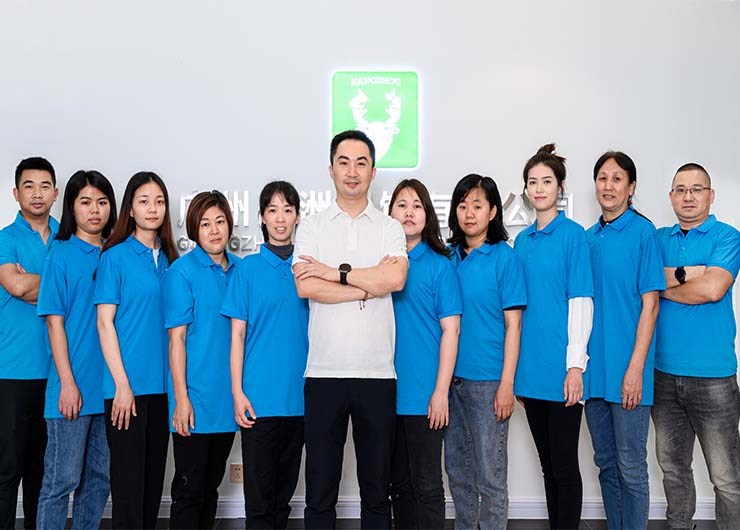
A reliable B2B skirt manufacturer secures your margins through strict quality control, pre-shrinking fabrics, and guaranteeing rapid, 24/7 communication for production updates and shipment tracking.
Strict Quality Control And High-Temperature Shrinking Machines
Inconsistent sizing and shoddy stitching kill retail reputations. A rigorous manufacturing partner inspects every skirt seam and hem for absolute consistency before packaging B2B orders. Flowing silhouettes require flawless drape, and a crooked hem immediately ruins the garment’s structure.
To guarantee fit longevity, factory teams run fabrics through high-temperature shrinking machines prior to cutting. This industrial process prevents unexpected size alterations after the customer washes the skirt at home. Wholesalers and retailers need inventory that maintains its intended measurements order after order.
24/7 Service And 12-Hour Response Time For Business Orders
Apparel supply chains move fast, and communication blackouts cause costly production delays. Professional manufacturers maintain a dedicated support team available around the clock to handle urgent production updates. If buyers need to adjust fabric specs mid-run, they get direct, immediate answers.
These suppliers guarantee a maximum 12-hour turnaround time to address design modifications and provide exact shipment tracking details. This rapid response framework keeps seasonal product launches strictly on schedule and eliminates the stress of managing bulk wholesale orders across different time zones.
Final Thoughts
While generic manufacturing offers lower upfront costs, partnering with a supplier who utilizes high-temperature shrinking and strict quality control is the only way to safeguard your brand reputation against inconsistent sizing. Crooked hems and cheap, clinging fabrics quickly destroy retail margins and customer loyalty. Investing in reliable production ensures your skirt lines maintain their precise fit and premium drape order after order.
Don’t guess on fabric quality and silhouette stability—verify them directly. We recommend requesting a top-of-production sample to test our meticulous stitching and pre-shrunk materials firsthand. Contact our 24/7 support team to discuss your specific OEM requirements and secure your seasonal manufacturing timeline.
Frequently Asked Questions
How can fashion startups efficiently market their new maxi skirt lines?
Keep a narrow product assortment. Focus on three to eight distinct styles in three colors each. This lets your brand specialize and build recognition as a skirt expert. Position these pieces as comfortable wardrobe staples to capture current market demand. Launch a full-looking online shop with 9 to 12 variations. Use visual storytelling to highlight everyday comfort. When pitching retail buyers, present a curated selection and emphasize your category expertise to secure repeat orders. Standardize your manufacturing components across different styles to keep production costs low.
What should womenswear brands look for in a skirt manufacturing factory?
Find a factory that excels in precise pattern making and grading. Flowing maxi styles require consistent silhouettes and accurate sizing. Prioritize manufacturers with high proficiency in handling lightweight materials like linen and cotton. They need precision cutting capabilities to prevent uneven hems. The factory must enforce rigorous quality control through in-line and post-production inspections. Evaluate their operations to confirm they offer detailed sampling stages, manage realistic production timelines, and comply fully with clothing labeling and safety regulations.
Do you offer bulk B2B orders with strict quality control?
Yes, we support bulk B2B orders and integrate strict quality control across all production phases. We inspect materials upon arrival, testing fabric drape, stretch, and colorfastness to guarantee non-clinging falls. During production, our team verifies pattern alignment and checks for seam integrity and clean stitching. Before shipping, we perform fitting trials and stitch strength tests. We match top-of-production samples to your approved prototypes within a quarter-inch tolerance. Bulk orders require a 60-day lead time. We accommodate scalable quantities ranging from low minimums up to wholesale orders of 500 or more pieces.



 Spanish
  English
  French
  Portuguese
  Hindi
Hindi  Italian
  Japanese
  Korean
  Arabic
  German
  Russian