
Choosing the right summer dress fabrics is a critical decision that directly impacts product sell-through and profit margins. A poor material choice, such as a dense synthetic that traps heat, results in customer discomfort, negative reviews, and costly returns. This can quickly turn a promising collection into a clearance-rack liability.
This analysis benchmarks the core performance metrics for top summer textiles, including breathability, moisture absorption, and drape. We evaluate materials like cotton, linen, and rayon to provide clear sourcing guidance for buyers and technical specifications for manufacturers across budget, mid-tier, and premium market segments.
Why Fabric Choice Matters During Summer

Choosing the right fabric for summer directly controls how comfortable you feel. Breathable materials like cotton and linen help regulate your body temperature by allowing heat and moisture to escape. Dense synthetics, on the other hand, can trap heat and lead to discomfort and skin irritation.
Impact on Comfort and Body Temperature
Breathable fabrics like linen and lightweight cotton feature open weaves that let air circulate freely. This constant airflow helps remove the warm air trapped next to your skin, making you feel significantly cooler on hot days.
Natural fibers are great at absorbing sweat. As moisture evaporates from the fabric, it produces a natural cooling effect. Linen is particularly effective because it not only absorbs moisture well but also dries very quickly, preventing that damp, heavy feeling.
In contrast, dense synthetic materials often block airflow. This traps both heat and sweat against your body, which creates an uncomfortable, clammy sensation and can make you feel overheated.
Effects on Skin Health and Hygiene
Soft, natural fibers like pure cotton and linen are gentle against the body. They reduce the friction that can cause skin irritation and painful chafing, a common issue in warm weather, especially under the arms or on inner thighs.
Because they are generally hypoallergenic, fabrics such as cotton and linen are a safer option for people with sensitive skin or allergies. They are less likely to trigger redness or discomfort during prolonged wear.
The superior airflow in natural fabrics creates an environment that is less friendly to odor-causing bacteria. These microbes thrive in the moisture trapped by non-breathable synthetics, but fabrics that stay drier also stay fresher.
Best Fabrics For Summer Dresses Explained
When choosing a fabric for a summer dress, the goal is to stay cool and comfortable. The best options are breathable, absorb moisture well, and feel light against the skin. Natural fibers like cotton and linen excel at this, along with semi-synthetics like rayon, which offers a beautiful, fluid drape.
| Tela | Key Properties | Ideal Dress Styles |
|---|---|---|
| Algodón |
|
Perfect for casual sundresses, classic shirt-dresses, and comfortable everyday wear. |
| Lino |
|
A top choice for beach cover-ups, relaxed resort wear, and loose-fitting dress styles. |
| Seda artificial |
|
Great for printed maxi dresses, elegant wrap styles, and other flowing designs. |
| Chiffon |
|
Suited for special occasion dresses, evening wear, and layered boho-chic designs. |
| Lightweight Silk |
|
Often used in high-end resort wear, formal occasion gowns, and refined slip dresses. |
Launch Your Next Fashion Collection Confidently
Cotton Fabric
Cotton is a go-to choice for summer dresses because it’s a soft, breathable natural fiber. It helps you stay cool by allowing air to circulate and absorbing sweat away from your skin. This makes it extremely comfortable for everyday wear, especially for casual sundresses, children’s clothes, and maternity styles where skin-friendliness is a priority.
The key is to select lightweight cotton weaves. Fabrics like cotton poplin, voile, and lawn are ideal for creating structured shirt-dresses or airy, layered looks. While cotton is very absorbent, heavier versions can feel damp in high humidity, so sticking to lighter weights ensures you remain comfortable all day long.
Linen Fabric
Linen is often considered the top fabric for hot and humid weather. Its flax fibers and open weave structure allow for exceptional airflow, helping heat escape from your body. It also absorbs a great deal of moisture and dries very quickly, so you feel fresh even when the temperature rises.
This fabric has a distinct, naturally textured look and tends not to cling to the skin, which further enhances ventilation. While linen is known for wrinkling easily, this is often seen as part of its relaxed, summer aesthetic. It’s a perfect match for loose-fitting tunics, beach dresses, and minimalist resort wear.
Rayon Fabric
Rayon is a semi-synthetic fiber made from natural cellulose, valued for its wonderful drape and soft, cool feel. It hangs beautifully, making it an excellent choice for dresses that require fluid movement, such as wrap styles, maxi dresses, and bias-cut silhouettes. Its smooth texture often feels cool to the touch.
Rayon is more breathable and absorbent than many pure synthetics, making it a comfortable option for warm weather. It also takes dye well, so it’s often used for vibrant summer prints. Because it’s generally more affordable than silk, rayon provides a great way to achieve an elegant, flowing look without the high cost.
Chiffon Fabric
Chiffon is an extremely lightweight, sheer fabric that creates an airy, floating effect. Its fine, open weave allows air to pass through easily, making it suitable for summer garments. The fabric adds visual volume and romantic movement to a dress without adding any real weight or heat.
Due to its transparency, chiffon is almost always used in layers or with a lining. It’s a popular choice for occasion dresses, like those for summer weddings or evening events. The fiber content matters; silk chiffon is more breathable and comfortable in heat than its more common and affordable polyester counterpart.
Lightweight Silk Fabric
Silk is a natural protein fiber prized for its luxurious feel and impressive ability to regulate temperature. It helps you stay cool in the summer by absorbing moisture and allowing your skin to breathe. Its smooth surface feels wonderful against the skin and is a good option for those with sensitivities.
For summer, choosing a lightweight silk like crepe de chine or charmeuse is essential. These fabrics offer sophisticated drape and movement, making them ideal for high-end resort wear, slip dresses, and elegant occasion gowns. While it comes at a higher price and requires more delicate care, silk delivers unmatched comfort and elegance.
Linen Fabric
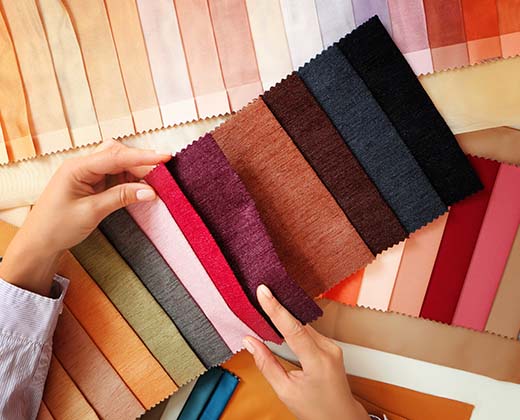
Linen is a top-performing natural fabric for summer apparel, prized for its exceptional coolness, breathability, and rapid drying. Its strong flax fibers create durable garments with a distinct, relaxed texture, making it an excellent choice for premium resort, beach, and sustainable fashion lines where comfort in high heat is critical.
Performance and Feel
Linen excels in warm weather because the hollow structure of its flax fibers and its typically open weave allow air to circulate freely. This high breathability helps dissipate body heat, keeping the wearer comfortable.
The fabric actively draws heat away from the skin, creating a cool-to-the-touch sensation ideal for hot and humid climates. It also absorbs significant moisture—up to 20% of its weight—without feeling damp, and dries much faster than cotton, preventing a clammy feel.
With natural hypoallergenic and anti-bacterial properties, linen is a great option for people with sensitive skin. Its texture starts crisp but becomes noticeably softer and more comfortable with every wash, adding to the garment’s long-term value.
Durability and Care
Made from the strong fibers of the flax plant, linen is very durable and resists tearing, which ensures a long garment life. The fabric has low elasticity, so it wrinkles easily. This is widely considered part of its natural, relaxed aesthetic, not a defect.
To care for linen, we recommend machine washing on a gentle cycle with cool water (under 40°C) for colored items to prevent fading. Use mild detergents and avoid fabric softeners, as they can build up on the fibers and reduce their absorbency.
For best results, air-dry linen garments away from direct sunlight. You can easily remove creases by ironing at high temperatures while the fabric is still slightly damp. This simple care routine helps maintain the fabric’s integrity and appearance over time.
Chiffon Fabric
Chiffon is an extremely lightweight and sheer fabric known for its fluid, floaty drape, which creates graceful movement in summer dresses. Its fine, mesh-like weave feels breathable in warm weather, but its delicate nature requires careful handling to prevent snags. The fabric’s transparency often needs a lining, making it perfect for creating elegant, layered looks.
Core Properties and Feel
Chiffon is a very lightweight, sheer fabric prized for its fluid, floaty drape. This quality makes it ideal for silhouettes that need graceful movement, creating an airy and romantic effect.
Its fine, mesh-like structure comes from tightly twisted yarns. This construction results in a slightly grainy texture that feels comfortable and breathable against the skin, especially in warm weather.
The fabric’s inherent sheerness often requires a lining for modesty. This also presents a design opportunity for elegant layering, which produces the soft, dimensional looks popular in summer fashion.
Strengths and Design Considerations
We value chiffon for its romantic appearance and its ability to add volume to a garment without adding weight. This works especially well for creating full maxi dresses and soft, tiered styles.
It is available in different fibers to suit various markets. You can find budget-friendly polyester chiffon for everyday summer dresses, or luxurious silk chiffon for high-end occasion wear.
The main design consideration is its delicate nature. The fabric is prone to snagging and pulling, so it requires careful handling during wear and gentle care methods to maintain its appearance.
Lightweight Silk Fabric
Lightweight silk is a natural protein fiber ideal for summer dresses. We choose it for its breathability and thermoregulating properties that help keep you cool. The fabric wicks moisture away from the skin and dries quickly. As the strongest natural fiber, it offers remarkable durability, even in the most delicate weaves, ensuring our dresses maintain their shape and last for many seasons.
Performance Properties for Summer Comfort
Silk’s natural protein fibers are both lightweight and breathable. This structure allows the fabric to regulate temperature, helping you feel cool and comfortable in hot weather. It works by letting your body heat escape instead of trapping it against your skin.
The fabric effectively wicks moisture away from the skin and dries quickly, which helps manage perspiration on warm days. This keeps you feeling fresh and prevents the clammy feeling that can come with less absorbent materials.
As the strongest natural fiber, silk provides impressive durability and shape retention. This means that even our most delicate and lightweight dress fabrics are resilient and built to last, maintaining their intended fit and structure through wear.
Aesthetic Versatility and Luxurious Feel
The fiber’s unique, prism-like structure refracts light to create a natural luminosity. For more understated looks, we also use options like raw silk, which offers a matte, textured finish perfect for casual or daytime dresses.
Its soft, supple quality creates a beautiful drape that moves with you. We use this versatility to design flowing, airy silhouettes that feel weightless, as well as crisp, structured designs that hold their shape elegantly.
Silk’s smooth fibers feel exceptionally comfortable against the skin. This quality reduces friction and the potential for irritation that can occur with coarser materials, making it a great choice for sensitive skin and all-day comfort.
How To Choose Summer Dress Fabrics Based On Usage

Choosing the right summer dress fabric depends on its intended use. Daily wear calls for comfortable, easy-care materials like cotton and viscose. Special events require fabrics with elegant drape, such as silk or chiffon, while travel and resort wear benefit most from lightweight, breathable, and quick-drying options like linen and muslin.
Choosing Fabrics for Daily Life: Casual and Work Dresses
For everyday casual dresses, prioritize comfort and easy care. Breathable materials like cotton jersey, viscose, and cotton lawn are excellent because they are soft, absorbent, and typically machine-washable.
When selecting a dress for the office, you need a balance of structure and breathability. Light cotton poplin, sateen, or linen blends offer a crisp, professional look without trapping heat.
The ideal fabric weight for most daily-use summer dresses falls in the light range, about 136–237 g/m², providing durability without feeling heavy.
Selecting Fabrics for Events: Evening, Resort, and Travel
Elegant evening dresses call for fabrics with beautiful drape and a refined finish. Silk, chiffon, and Tencel create a fluid silhouette perfect for special occasions.
For resort, beach, or holiday wear, the main goals are staying cool and drying quickly. Very light and airy fabrics like muslin, batiste, and thin linen are the best choices.
Travel dresses should be packable, lightweight, and versatile. Wrinkle-resistant linen blends and soft viscose challis can easily transition from a day of sightseeing to a casual dinner.
Fabric Recommendations For Buyers
For successful summer dress collections, buyers should align fabric choices with market segments: use cotton and viscose for budget lines, introduce linen for mid-tier, and leverage TENCEL™ and organic cotton for premium collections. Manufacturers must focus on technical execution by prioritizing breathable fibers, implementing rigorous pre-production testing for shrinkage and colorfastness, and adapting production techniques for materials like linen and viscose.
Recommendations for Buyers by Market Segment
For budget programs, focus on cotton lawn, poplin, and viscose to create accessible, casual summer dresses.
In mid-tier programs, introduce linen and linen-viscose blends, positioning their cooling properties to justify a higher price.
For premium collections, select TENCEL™ Lyocell and high-grade organic cotton, highlighting sustainability certifications to support the price point.
Reserve natural silk and jacquards for couture or designer lines, targeting occasion-specific summer dresses.
Technical Guidance for Manufacturers
Prioritize natural and regenerated cellulosic fibers like cotton, linen, and Tencel, keeping elastane content below 10% to preserve breathability.
Implement rigorous pre-production testing for shrinkage, colorfastness, and opacity, especially for lightweight viscose and linen fabrics.
Adjust cutting and sewing techniques for challenging materials; use sharp tools for linen and manage slippery viscose to prevent puckering.
For the 2026 market, plan sourcing for certified sustainable options like GOTS cotton and TENCEL™, as buyers will increasingly request them.
Final Thoughts
While low-cost synthetics can reduce initial production expenses, this approach ignores a critical market truth. Summer collection success is determined by customer comfort, a factor directly tied to fabric performance. Investing in proven breathable materials like linen and high-grade cotton is the primary defense against returns and brand erosion.
Don’t guess on material quality—verify it. We recommend ordering fabric swatches to evaluate the drape, breathability, and finish for your specific application. Contact our team to discuss your collection’s technical requirements and secure the right materials for your production run.
Frequently Asked Questions
Which fabric feels coolest?
Linen often feels coolest due to its natural stiffness, which allows it to stand away from the body and promote airflow. Cotton and rayon are also excellent choices; both are very breathable and absorb moisture, which helps keep you comfortable in the heat. Rayon specifically has a smooth, cool-to-the-touch feel.
Is cotton better than linen?
One is not universally better than the other, as it depends on personal preference. Linen is more breathable and absorbent, making it feel cooler in extreme heat, but it wrinkles very easily. Cotton is softer, more common, and generally easier to care for. For ultimate coolness, many prefer linen.




 Spanish
  English
  French
  Portuguese
  Hindi
Hindi  Italian
  Japanese
  Korean
  Arabic
  German
  Russian