
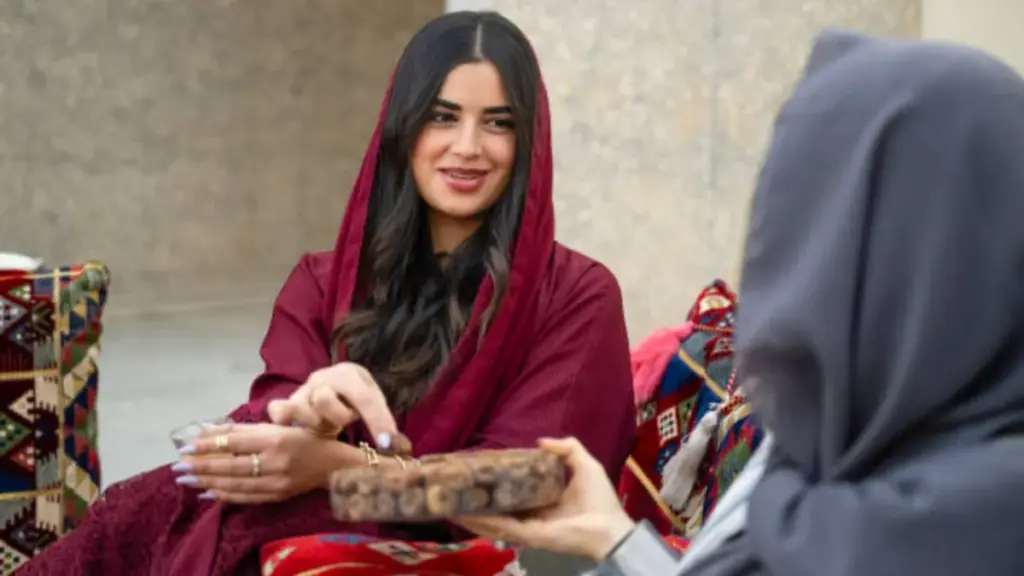
Understanding the difference between abayas and kaftans helps buyers, designers, and fashion brands select the right styles for their target markets.
This guide compares their design features, fabrics, and common uses to help you better understand which garment fits different customer needs and fashion categories.
What Is An Abaya
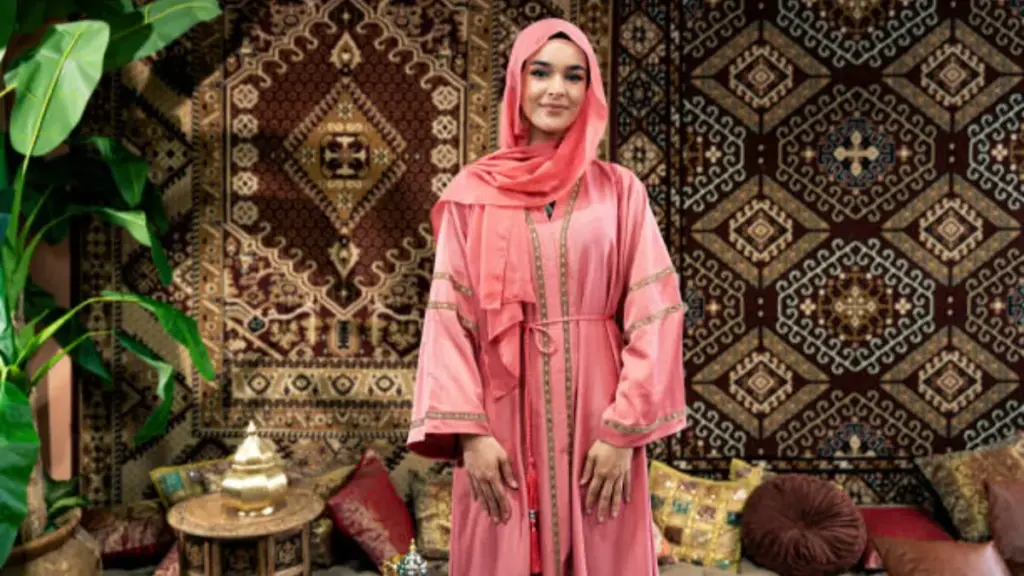
An abaya is a long, loose outer robe worn by many Muslim women. It is designed for modesty in public, covering the body from the shoulders to feet.
Defining Characteristics and Design
At its core, an abaya is a loose-fitting outer garment designed for modest coverage. This traditional abaya dress is typically worn over other clothing and features a flowing silhouette that extends from the shoulders toward the feet. Traditional designs usually include long sleeves and a relaxed fit, although modern women’s abaya styles may include updated cuts and styling details.
Traditionally, black has been a widely recognized color for abayas, especially in Gulf markets. However, modern abaya collections now include a broader range of colors and design variations. Common details include embroidery, beadwork, lace trims, and other decorative elements while maintaining the garment’s modest and elegant appearance.
Fabrics are chosen for drape and opacity. Lightweight materials like crepe, georgette, and nidha are popular because they flow well and provide coverage without being too heavy, which is practical for warm climates. The goal is a fabric that isn’t see-through but is still comfortable for daily wear.
Cultural Significance and Modern Use
The abaya is deeply tied to cultural and religious identity, particularly in the Arabian Peninsula and parts of North Africa. For many Muslim women, wearing it is a personal expression of faith and a commitment to modesty, or hijab, in public spaces. It functions as a clear marker of religious and cultural belonging, symbolizing dignity and respect for tradition.
In daily life, the abaya is a highly practical garment. Women wear it for errands, work, or social visits, layered over anything from casual jeans and a t-shirt to formal dresses. This creates a separation between private and public life, giving women the freedom to wear what they choose underneath while adhering to modesty norms outside the home. In some countries like Qatar, its use can even be a social expectation or requirement in public spaces.
While its roots are traditional, the abaya has evolved significantly. It’s now a central piece in the global modest fashion industry. Designers create luxury abayas from fine fabrics with intricate handwork, and fast-fashion brands release trendy versions with contemporary cuts and colors. This evolution shows how a traditional garment can adapt to modern life, becoming a vehicle for personal style while still retaining its original purpose of modesty.
What Is A Kaftan
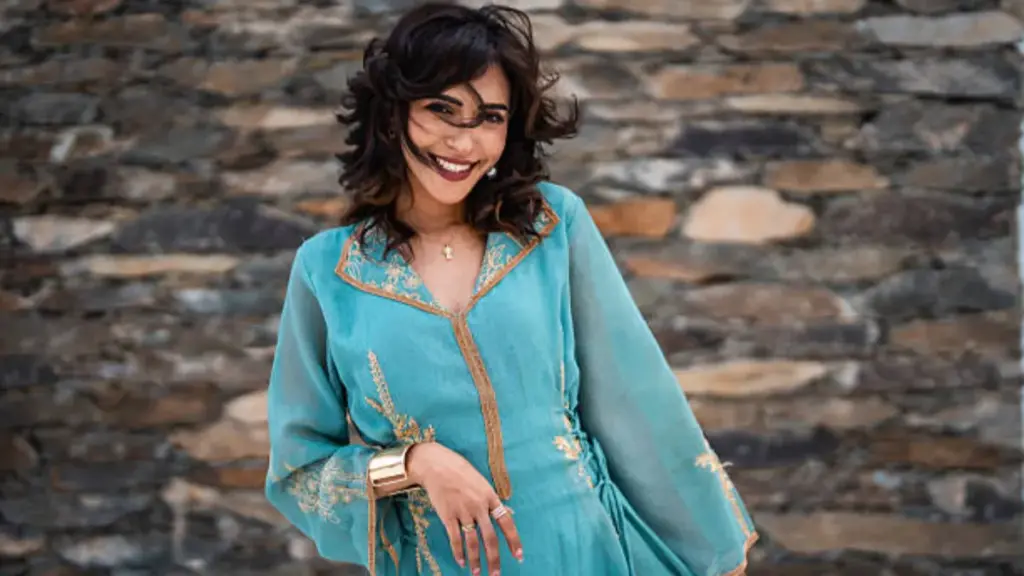
A kaftan is a long, loose-fitting robe with wide sleeves. Originally from ancient Mesopotamia, it’s now a versatile garment for resort wear, formal events, and more.
Core Definition and Design
A kaftan dress is essentially a long, loose-fitting robe or tunic. It’s defined by its wide, flowing sleeves and a length that usually reaches the calves or ankles. The core of its design is an unstructured silhouette that hangs straight from the shoulders, creating a comfortable fit that doesn’t define the waist unless you add a belt.
The fabric choices are broad and dictate the garment’s use. You’ll find them made from breathable cotton and linen for casual or resort settings. You’ll also see rich silk and velvet used for more formal occasions. This simple construction is a perfect base for significant variation in style, from simple printed patterns to elaborate hand-embroidery.
Historical Origins and Modern Uses
The kaftan isn’t a recent trend. It has deep roots in ancient Mesopotamia and was later famously worn by royalty in the Ottoman Empire as a symbol of status. Today, its function is incredibly versatile. It works as resort wear, an elegant evening dress, or comfortable loungewear.
The loose cut provides excellent airflow, making it an ideal choice for comfort and modesty in hot climates. In some cultures, it retains its ceremonial importance. A decorated Moroccan kaftan, for example, is a traditional and essential garment for weddings, religious holidays, and formal gatherings.
Scale Your Brand with Fast, Flexible Manufacturing

Main Differences Between Abayas And Kaftans
An abaya is traditionally designed as a modest outer garment, while a kaftan is generally a more versatile robe-style garment used for fashion, occasions, and resort collections.
Design And Structure Differences
An abaya is fundamentally an outer garment, a cloak worn over your clothes. It’s designed with a straight, loose cut to ensure modesty in public. A kaftan, on the other hand, is a standalone robe-like dress. It’s often more voluminous and can be cinched at the waist with a belt to create a different silhouette.
Fabric And Decoration Differences
Abayas are typically made from opaque, modest fabrics like crepe. The traditional color is black, and any embellishments are usually subtle and restrained. Kaftans are completely different in this regard. They use a huge range of fabrics, from silk to cotton, and are known for vibrant colors, bold patterns, and often extensive, eye-catching embroidery.
Cultural And Fashion Uses
The abaya’s main role is tied to religious and cultural practices, serving as modest public attire, especially in the Arab Gulf. The kaftan is a much more versatile garment. It’s worn for celebrations, formal events, and as relaxed resort wear. Its cultural roots are broader, and it has a significant global fashion appeal that goes beyond any single region or use case.
Which Option Is Better For Different Buyers And Markets
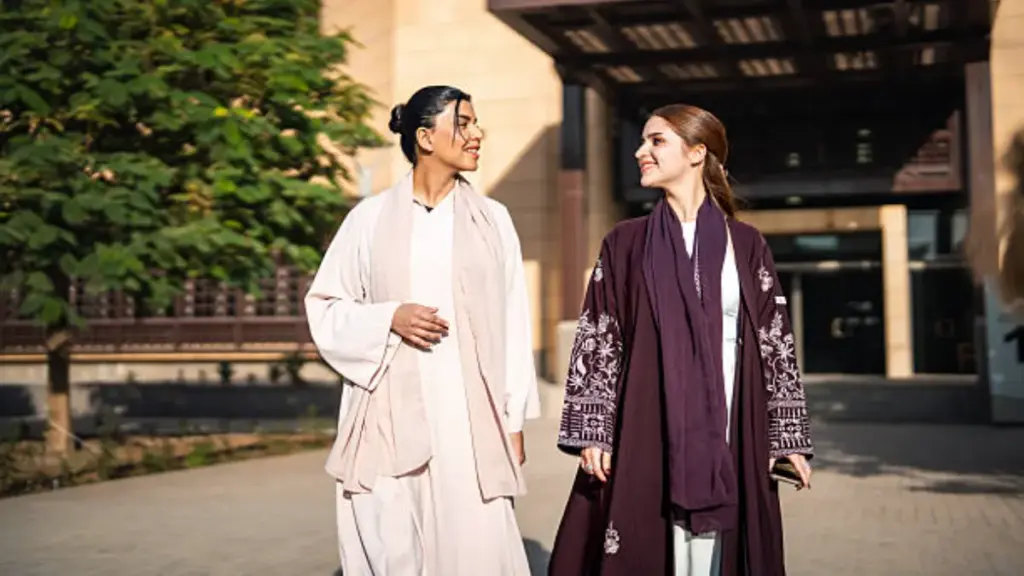
The choice depends entirely on your customer and market. Abayas are a daily staple for modesty, while kaftans serve the more expressive fashion and celebration segments.
Guidance for Different Buyer Profiles
Choosing between an abaya and a kaftan isn’t about which is “better” overall, but which is right for a specific customer. The needs are completely different.
- Abayas are the clear choice for buyers who prioritize religious compliance and daily public modesty. The garment’s function is its primary selling point.
- Kaftans better serve fashion, resort, and occasion-wear buyers. These customers seek versatile, celebratory garments that don’t have a direct religious association.
- For fashion-conscious modest buyers, both garments work in different contexts. They look for stylish abayas for daily wear and treat expressive kaftans as the go-to for social events.
Guidance for Key Geographic Markets
Your geographic focus plays an important role in product strategy. Different regions have different preferences based on cultural background, climate, fashion trends, and customer expectations.
In Gulf markets, abayas remain an important part of modest fashion and daily wear. At the same time, many brands are introducing modern designs, premium fabrics, and customized details to meet evolving customer preferences.
- In North Africa, the kaftan is the dominant cultural and ceremonial garment. This creates more opportunity for high-value, artisanal occasion wear.
- In Western and global resort markets, kaftans have much broader mainstream appeal as beachwear and loungewear. The abaya serves a more specific and targeted modestwear niche.
Frequently Asked Questions
Can abayas and kaftans be worn interchangeably?
They can sometimes be swapped in modern modest fashion, but they are not the same. An abaya is traditionally an outer garment for public modesty, while a kaftan is often a more decorative main dress for celebrations or leisure. In conservative contexts where the abaya has a specific religious role, a colorful kaftan would not be a suitable substitute. In fashion-forward settings, the lines can blur.
Which is more formal: an abaya or a kaftan?
A kaftan is generally the more formal option. Kaftans are strongly associated with celebrations, parties, and formal dinners, often featuring rich fabrics and detailed embroidery. The abaya’s primary role is as a modest outer layer for everyday public life. A heavily decorated abaya can certainly be formal, but the kaftan is typically the go-to garment for festive events.
Final Thoughts
Success in this market depends on selecting styles that match customer expectations and regional preferences. Understanding the differences between abayas and kaftans helps brands develop collections that better fit their target markets.
Choosing the right style requires understanding your target customers, market positioning, and product requirements. For brands looking for customized designs, working with an experienced custom clothing manufacturer can help develop collections based on different market requirements. Explore our abaya and fashion kaftan collections, or contact our team to discuss custom manufacturing options for your brand.




 Italian
  English
  French
  Portuguese
  Hindi
Hindi  Japanese
  Korean
  Spanish
  Arabic
  German
  Russian