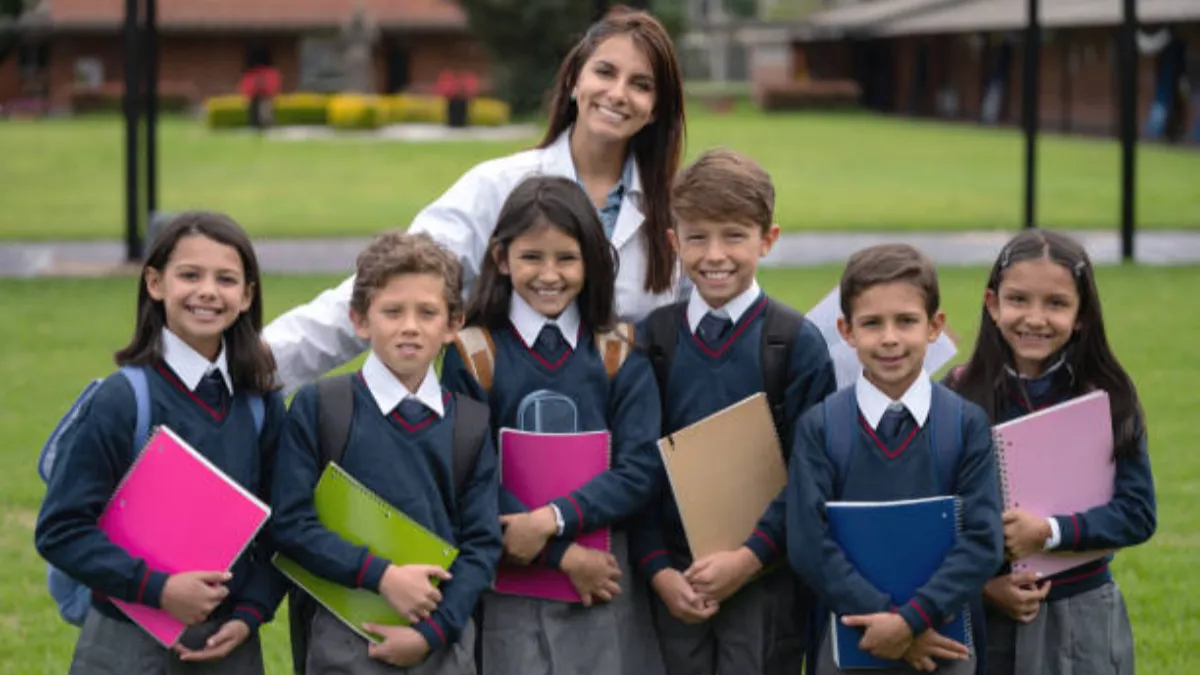
If you are moving to Latin America, working with schools there, or sourcing children’s uniforms for this region, one of the first practical questions is simple: which Latin American countries require school uniforms, and what do those uniforms look like in everyday school life?
This guide walks through the main countries where uniforms are mandatory, how public and private schools differ, what typical outfits and fabrics look like, and what this means for anyone comparing school uniform suppliers in China or planning new uniform lines for Latin American students.
Which Latin American Countries Require School Uniforms?
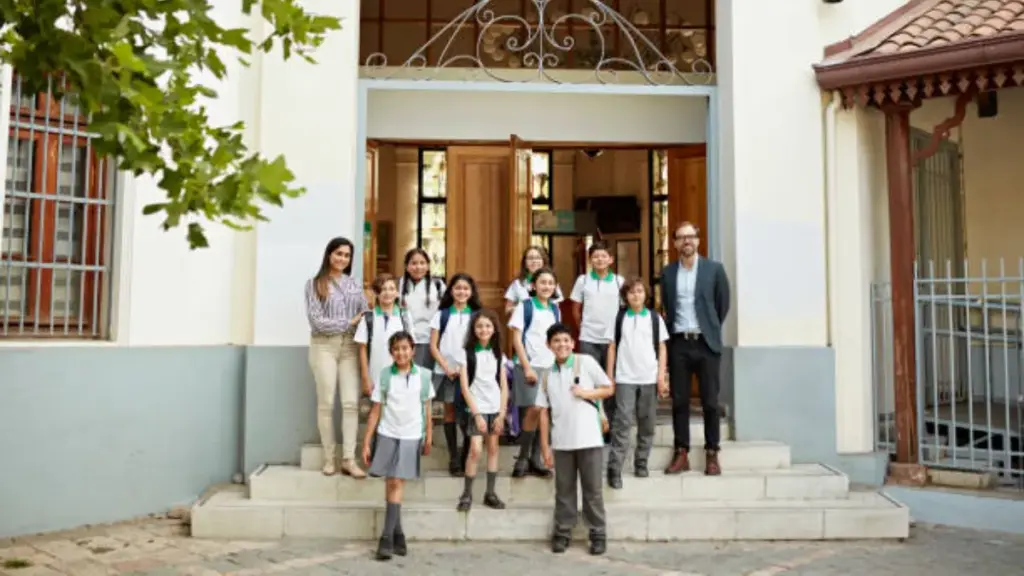
Across Latin America, school uniforms are not just a tradition; in many places they are still written into school policy or strongly enforced locally. While rules can vary by city or region, families and planners can safely assume that uniforms are expected in most public schools in the region.
To make things easier to compare, here is a simplified overview based on recent summaries and policy descriptions:
| Country | Uniform Status | Typical Style (Public Schools) |
|---|---|---|
| Mexico | Widely required | Shirts or polos, skirts or trousers; some cities allow gender-neutral choices |
| Brazil | Common in public; almost universal in private | T-shirts or polos, shorts or trousers; lightweight designs for heat |
| Colombia | Generally required | Distinct school colors, often separate PE sets |
| Costa Rica | Legally required in public schools | Shirts, skirts or trousers, specific colors by level |
| Cuba | Mandatory and standardized | Government-issued sets, colors differ by grade level |
| Argentina / Uruguay | Common but not always strictly mandatory | White smocks (guardapolvos) over regular clothes in many primary schools |
When people ask which Latin American countries don’t require school uniforms, the honest answer is that there are very few where uniforms are truly rare; more often, the difference is how strictly they are enforced or whether local authorities leave the choice to individual schools. In places such as parts of Uruguay or some urban districts, you may find schools that do not insist on a full uniform, but these are the exception rather than the rule.
Public vs. Private Schools: Understanding the Dress Code Gap
Even in the same country, public and private schools can treat uniforms very differently. For parents, that affects what they have to buy; for brands and distributors, it changes the kind of products that make sense for each segment.
In public schools, uniforms tend to be:
- Simple, affordable, and easy to produce at scale for large student populations.
- Focused on equality and discipline, so that students feel part of a group and family income differences are less visible.
In private schools, uniforms often become part of the school’s identity:
- Blazers, ties, pleated skirts, embroidered badges, and carefully chosen color combinations are common in prestigious or religious schools.
- Fit, fabric, and finishing details may be more refined, with schools asking for special trims, custom tartans, or branded sports kits.
For anyone planning stock or designing catalogues, it helps to think of Latin America as two overlapping markets: a high-volume, price‑sensitive public school channel and a more customized, image‑driven private school channel.
Regional Style From White Smocks to Polos
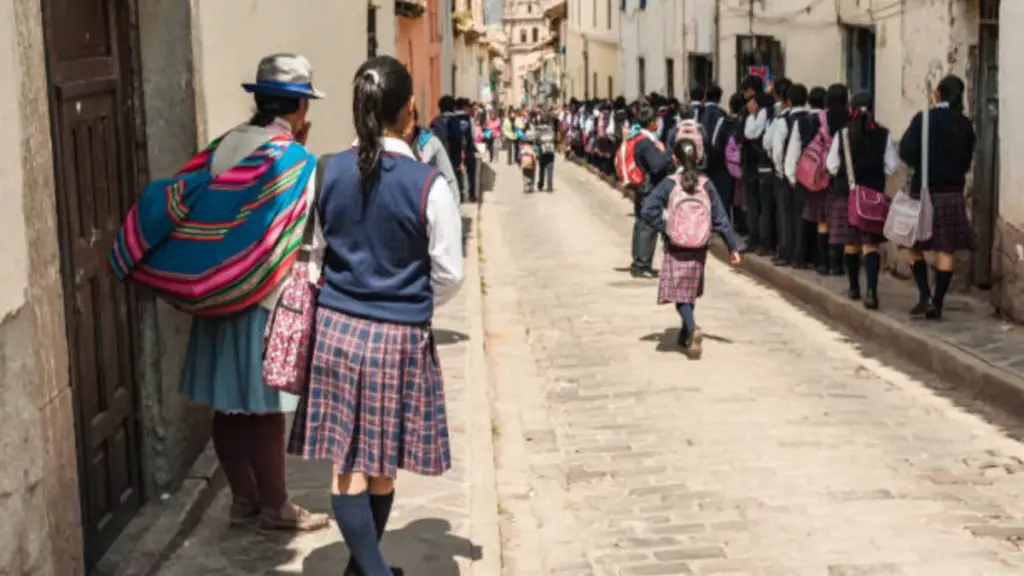
Latin American schoolwear is visually rich and varied, and many styles are instantly recognizable once you know what to look for. There is no single “Latin American” uniform; instead, each region leans into particular garments and color stories.
In Argentina and Uruguay, the iconic piece is the white guardapolvo — a smock worn over regular clothes, especially in primary schools. It is simple, practical, and carries a powerful message: when everyone wears the same white layer, what lies underneath is less important in social terms.
In Central America and the Caribbean, classic combinations include:
- Light shirts or polos with navy or khaki bottoms
- Simple, solid-color skirts, shorts, or trousers
- Knee socks and plain black or brown shoes
These outfits are designed to stay neat in heat and humidity while still looking formal enough for class. In secondary grades or private institutions, uniforms may add blazers, ties, sweaters, or signature plaid skirts, especially where schools want a more “traditional” aesthetic.
For designers and planners, paying attention to these regional cues makes a big difference. A collection that includes smocks for Southern Cone markets, more polo-based sets for tropical regions, and formal options for urban private schools will feel far more relevant than a one-size-fits-all global concept.
Best Fabrics for Latin American Schools
Because much of Latin America is warm or humid for most of the year, climate is central to whether students feel comfortable in their uniforms. Parents and teachers regularly point to breathability, lightness, and easy washing as essential features of good uniforms.
In tropical or coastal regions, such as parts of Brazil, Colombia, Central America, and the Caribbean:
- Heavy, non‑breathable fabrics can quickly lead to discomfort, especially in crowded classrooms or during long commutes.
- Cotton‑polyester blends and other performance fabrics often provide a more practical balance between comfort, durability, and quick drying.
In cooler highland or southern zones, like parts of the Andes or the Southern Cone, schools may lean toward layered systems — shirts plus sweaters, or smocks over warmer clothes — but still need fabrics that can handle frequent washing and daily wear. Matching fabric choice to local climate is one of the simplest ways to improve student comfort and reduce complaints.
Gender Neutrality and Economic Considerations
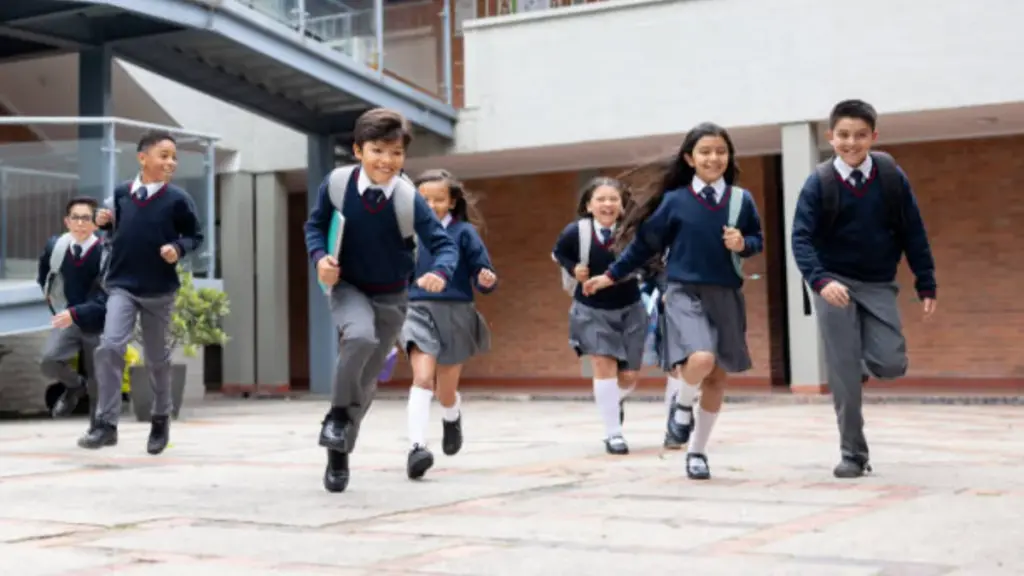
Uniforms are not just about fabric; they also reflect social change and economic reality in Latin America. Recently, there has been more open discussion about how uniform policies intersect with gender, identity, and fairness.
A well-known example is Mexico City, where authorities encouraged schools to move away from rigid gender-specific rules so students can choose whether to wear skirts or trousers, regardless of gender. The aim was to keep the unified look of a uniform but allow more personal expression and comfort for all students.
Economic considerations are equally important. In countries such as Cuba and several Central American nations, authorities focus on making uniforms affordable or even providing them directly, so that no child is excluded for financial reasons. This explains why so many designs remain simple and standardized: they are easier to mass-produce, easier to find in local shops, and less likely to create financial pressure on families.
How to Source Quality School Uniforms for LatAm Markets
For retailers, distributors, and schools, understanding culture is only part of the job; the next question is how to actually source reliable uniforms that fit Latin American needs. This is where choosing the right partner among school uniform suppliers in China or other manufacturing hubs becomes a strategic decision.
Key factors to consider include:
- Experience with children’s schoolwear – Kids wear their uniforms hard: running, playing, and washing them several times a week, so seams, fabrics, and trims must be built for that reality.
- Fabric testing and standards – Color fastness, shrinkage resistance, and anti‑pilling performance are crucial when uniforms are worn daily over long school years.
- Customization and branding – Latin American schools often want specific colors, logos, and sometimes regional styles such as smocks or particular skirt designs included in their uniforms.
With this in mind, many buyers look for manufacturers who combine large‑scale production with strong design support. Hangzhou Garment stands out in this field by offering dedicated school uniform and kidswear lines, flexible customization, and fabric options tuned to different Latin American climates, helping partners serve both public and private schools with collections that feel local, comfortable, and consistent across large orders.
Domande frequenti
1. Do most Latin American students really wear uniforms every day?
In many countries, especially in public schools, students are expected to wear uniforms on regular school days, and not wearing one can be treated as a discipline issue. Private schools also usually enforce uniforms strictly, since they see them as part of their identity and reputation.
2. Which Latin American countries don’t require school uniforms at all?
There are very few places where uniforms are truly rare; more often, individual schools or local authorities decide how strictly to enforce them, and a minority of schools may adopt a more casual dress code. Families should always check with the specific school, but it is safer to plan as if a uniform will be required somewhere in the process.
3. Are PE uniforms different from regular classroom uniforms?
Yes, in many countries students have a separate PE kit, often including T‑shirts, shorts, or track pants made from lighter, more flexible materials. This means parents — and uniform planners — need to account for at least two full outfits per student: the regular classroom set and the sports set.
4. Where do families usually buy school uniforms in Latin America?
Depending on the country and school, uniforms might be sold through school-approved shops, local retailers, or dedicated uniform stores, and in some cases provided directly by the school or government. In larger cities, families may also find licensed uniform pieces in supermarkets or multi-brand clothing chains, especially at the start of the school year.