
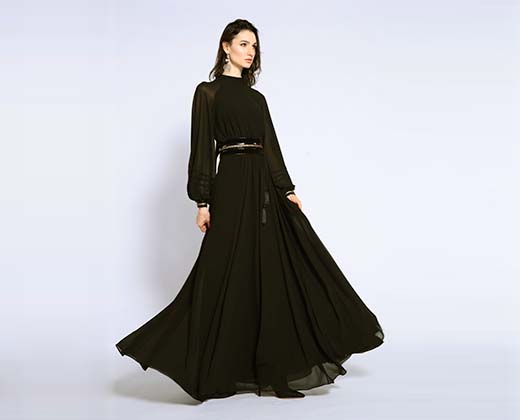
Understanding the difference between a cocktail dress and an evening dress helps shoppers choose the right style for different occasions while also helping fashion brands and retailers create better-organized dress collections. This guide compares their lengths, fabrics, silhouettes, and typical uses to make the distinction easier to understand.
This guide compares the two dress types through key differences such as length, fabric, silhouette, and formality—from versatile cocktail styles to elegant evening gowns designed for formal occasions.
What Is A Cocktail Dress
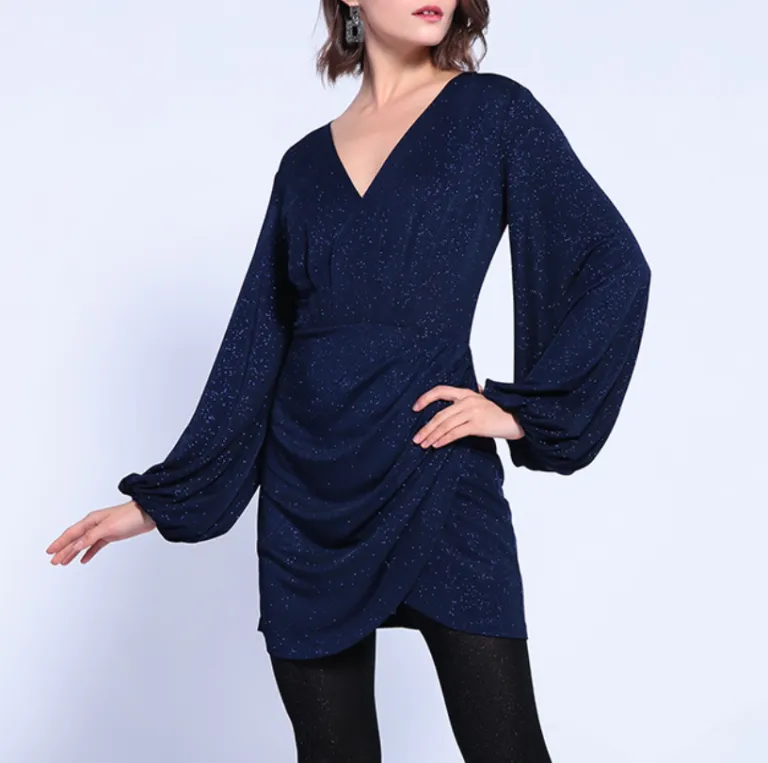
A cocktail dress is a semi-formal, knee-to-midi length dress for events dressier than casual but less formal than a black-tie gala. It’s a versatile wardrobe staple.
A Semi-Formal Wardrobe Essential
А cocktail dress is designed for semi-formal occasions where a polished appearance is required without the level of formality of a black-tie gown. It is commonly worn for weddings, receptions, business events, and evening dinners. Over time, cocktail dresses have become a versatile category that balances elegance and comfort.
Defining Physical Characteristics
You can identify a cocktail dress through several design characteristics, with length being one of the most noticeable differences. Traditionally, cocktail dresses are shorter than evening gowns, although modern designs may vary.
- The hemline is typically knee-length, just above the knee, or midi.
- Common silhouettes include A-line and sheath styles, which look polished and allow for movement.
- Fabrics are refined but versatile, like satin, crepe, chiffon, and lace, with textures that adapt for day or evening events.
- Details are balanced and elegant, featuring subtle ruffles, draping, or modest embellishments rather than dramatic ornamentation.
What Is An Evening Dress
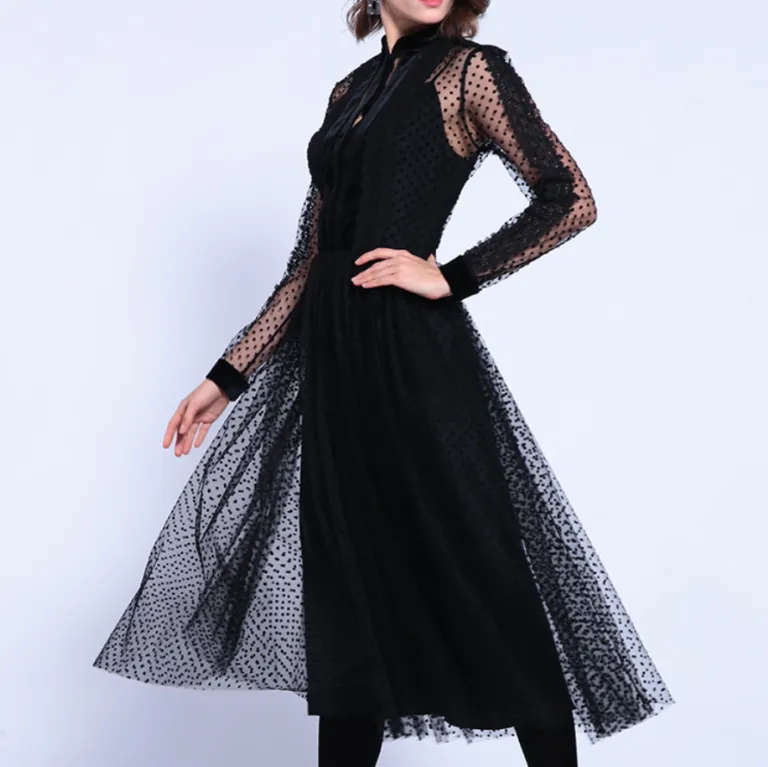
An evening dress is a long, formal gown for high-protocol events like galas or black-tie weddings. Its defining traits are full length and luxurious fabric.
The Core Definition: A Long Gown for Formal Occasions
An evening dress, or evening gown, is a long dress worn to formal occasions after sunset. The term signals a specific level of formality required for events like black-tie weddings, galas, charity balls, and award ceremonies. Its primary function is to align with strict dress codes that go beyond the semi-formal nature of a cocktail dress.
The main distinction is its length. While a cocktail dress is shorter—typically knee-length or midi—an evening gown is almost always full-length, reaching the ankle or floor. This length is a clear visual cue for high-protocol events where shorter dresses would be considered underdressed.
Key Characteristics: Luxurious Fabrics and Elegant Silhouettes
Beyond length, an evening dress is defined by its material and shape. Evening dresses often use fabrics selected for their drape, texture, and elegant appearance. Common materials include:
- Silk: Known for its smooth texture and natural drape, silk is often used for elegant gowns with a refined appearance.
- Satin: With its glossy surface and structured feel, satin is a popular choice for formal evening dresses.
- Chiffon: A lightweight and flowing fabric that creates soft movement, commonly used for layered or feminine designs.
- Velvet: Recognized for its rich texture and luxurious feel, velvet is often chosen for cooler-season evening wear.
- Organza: A lightweight yet structured fabric that helps create volume and shape in formal dress designs.
The silhouette is designed for drama and sophistication. Common shapes range from the slim, column-like Sheath to the form-fitting Mermaid and the classic A-line. For the highest level of formality, the Ball Gown, with its fitted bodice and full skirt, is the standard.
These designs may also incorporate structured elements, such as supportive internal construction, embroidery, beading, or other decorative details that enhance the overall elegance of the gown for formal occasions.
Source Premium Womenswear with Low MOQs

Main Differences Between Cocktail And Evening Dresses
Cocktail dresses are shorter, semi-formal pieces for social events. Evening dresses are longer, more formal gowns intended for black-tie affairs like galas or formal weddings.
Length Differences
The most obvious difference is the hemline. A cocktail dress is usually shorter than an evening gown, commonly ranging from above-the-knee styles to midi lengths depending on the design and occasion.
An evening dress, on the other hand, is a long gown. Its hemline is usually ankle-length or sweeps the floor. If a dress hits the floor, it’s almost always considered an evening gown, not a cocktail dress.
Formality Differences
Formality is the second key distinction. Cocktail attire is semi-formal. It’s polished and refined, but still allows for a certain level of comfort and versatility. Evening dresses are strictly formal. They are designed for more grand, ceremonial settings and often feature more luxurious fabrics, intricate construction, and a more dramatic appearance. The expectation for an evening gown is elevated sophistication, not social versatility.
Occasion Differences
The right dress depends entirely on the event. You wear a cocktail dress to receptions, holiday parties, upscale dinners, and most weddings that specify “cocktail attire.” Evening gowns are reserved for much more formal occasions. Think black-tie galas, charity balls, formal weddings, and award ceremonies. If the invitation specifies “black tie,” a floor-length evening gown is often the traditional choice.
How To Choose The Right Dress For Different Events

Choosing the right dress comes down to the dress code, time, and venue. A cocktail dress handles semi-formal events; a long gown is for black-tie affairs.
Read the Event Cues: Dress Code, Time, and Venue
The easiest way to choose the right dress is to start with the event details. The invitation usually provides important clues about the expected level of formality.
- Start with the invitation’s dress code. If it says ‘cocktail’ or ‘semi-formal,’ it’s pointing to a shorter dress. ‘Black-tie’ is a direct command for a long gown.
- Consider the time. Events before 6 PM are usually cocktail dress territory. Evening affairs, especially in formal settings, are where evening gowns fit in.
- Assess the venue’s character. A ballroom or grand hotel suggests an evening gown is the right call. A restaurant or gallery fits the vibe of a cocktail dress.
Match the Dress to the Occasion
Different events have different expectations. Getting it right shows you understand the context.
- For weddings, a festive cocktail dress works well for daytime events. You’ll need a floor-length evening gown for a formal black-tie celebration.
- At corporate functions, a polished and conservative cocktail dress is almost always a safe choice. You should only wear an evening gown for a formal company gala or awards night.
- If an event is ‘black-tie optional,’ you have a choice. An elegant cocktail dress can work, but a simple evening gown is a safer bet to avoid being underdressed.
Frequently Asked Questions
Can cocktail dresses be long?
Yes, cocktail dresses can be long, but it’s a modern take on a traditionally shorter style. Classic cocktail attire is usually knee-length or midi. A long dress works for a cocktail event if it avoids looking like a formal evening gown. The key is to choose relaxed fabrics like chiffon or light silk, a slimmer silhouette without a train or lots of volume, and moderate embellishments. Tea-length and ankle-length styles are safe options. For very traditional events, a shorter dress might still be the best choice.
Are evening dresses always formal?
No, an evening dress is not always formal. The term “evening” mainly refers to the time and setting of an event rather than a specific level of formality. The actual formality is set by the dress code, like ‘cocktail,’ ‘formal,’ or ‘black-tie.’ An evening dress can be a sophisticated cocktail-length dress for a semi-formal night event. It only becomes a ‘formal evening gown’ when the dress code is explicitly formal or black-tie, which usually requires a floor-length dress made from luxurious fabric like satin, silk, or velvet.
Final Thoughts
Understanding the difference between cocktail dresses and evening dresses helps customers make better style choices and helps fashion brands develop more targeted collections. For manufacturers and retailers, clear product positioning can also improve communication with buyers and create a more organized womenswear range.
Explore our womenswear collections from a professional производитель женской одежды, including cocktail dresses, evening dresses, and other fashion styles developed for different market needs. Our team provides OEM and ODM manufacturing support for brands, wholesalers, and designers seeking customized dress production.



 Russian
  English
  French
  Portuguese
  Hindi
Hindi  Italian
  Japanese
  Korean
  Spanish
  Arabic
  German