
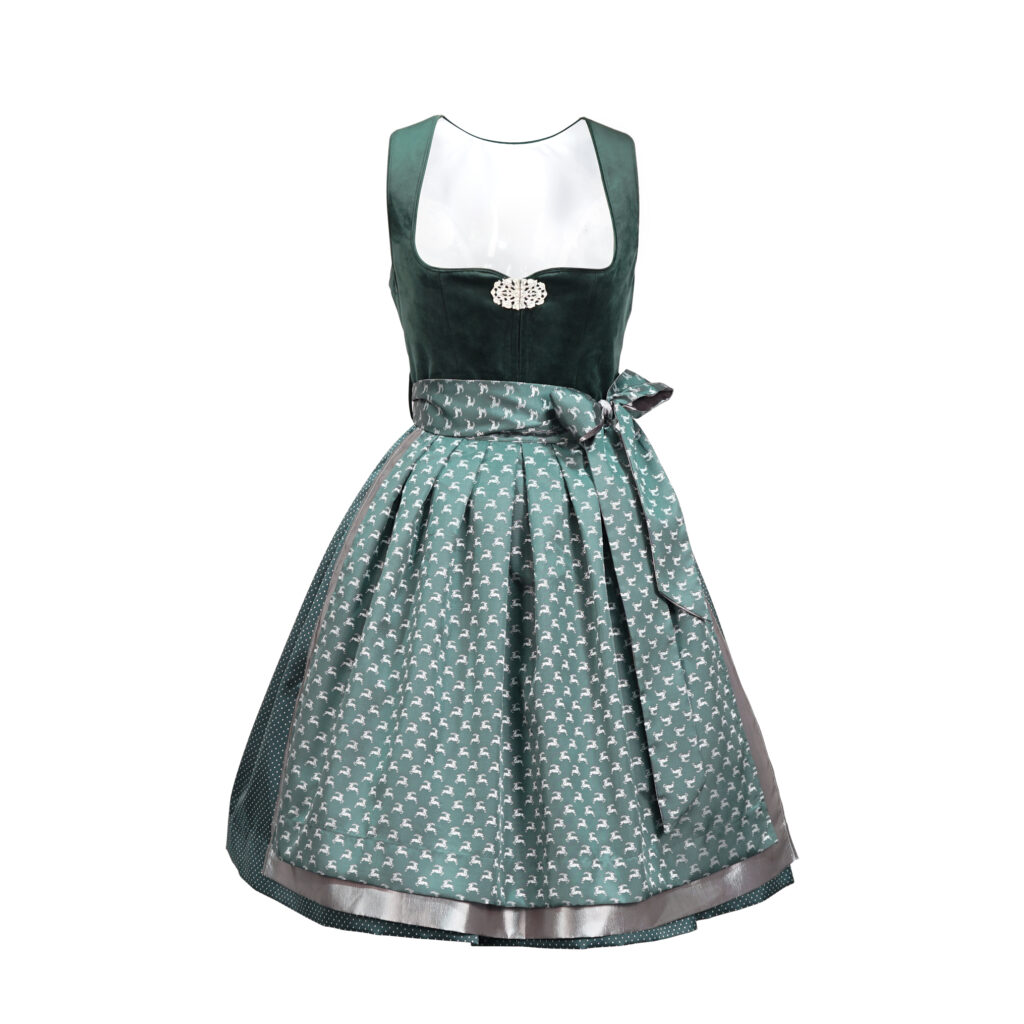
Платья дирндль are recognized worldwide for their traditional silhouette, elegant details, and connection with Bavarian-inspired fashion. For brands, retailers, and fashion businesses, understanding the different types of dirndl dresses helps create collections that match customer preferences and seasonal demand.
From traditional dirndls to mini, midi, maxi, and modern styles, each category offers different design possibilities and market applications. This article explores the key features of each dirndl style while highlighting important considerations for wholesale buyers, including fabrics, customization, and production options.
Why Dirndl Categories Matter For Wholesale Buyers
Sorting dirndls into clear categories is essential for wholesale. It directly shapes your product mix, pricing tiers, and inventory strategy, ensuring you buy the right stock for the right customer.
Shaping Assortment Strategy and Pricing Tiers
Categories are the foundation of a smart assortment. They let buyers map specific dirndl types to target customers and price points. For example, a basic festival dirndl serves a different market and margin structure than a premium, silk ceremonial one. This segmentation is how you match product to a specific customer, whether it’s a tourist, a local, or hospitality staff.
This allows retailers to build a “good-better-best” pricing ladder. Entry-level, costume-grade dirndls can drive volume during Oktoberfest, while premium, heirloom-quality pieces deliver higher margins from a different customer base. The categories you choose to stock ultimately define your store’s brand positioning, whether you’re seen as an affordable festival outfitter or a high-end Tracht boutique.
Improving Purchasing Efficiency and Inventory Control
Clear categories make purchasing far more efficient. Wholesale vendors have minimum order quantities (MOQs), often requiring buys in packs of six per style. A category plan helps you decide which styles justify these minimums and how to allocate your budget without over-investing in a slow-moving niche.
This approach is also critical for managing inventory risk. You can distinguish between traditional dirndls, which can be reordered across seasons with less risk, and trend-driven fashion styles that require tighter planning to avoid markdowns. It also helps you balance stock between components—dresses, blouses, and aprons—to ensure you can always sell complete, ready-to-wear outfits. Getting the categories right from the start reduces returns and costly clearance sales down the line.
Main Types Of Dirndl Dresses Explained
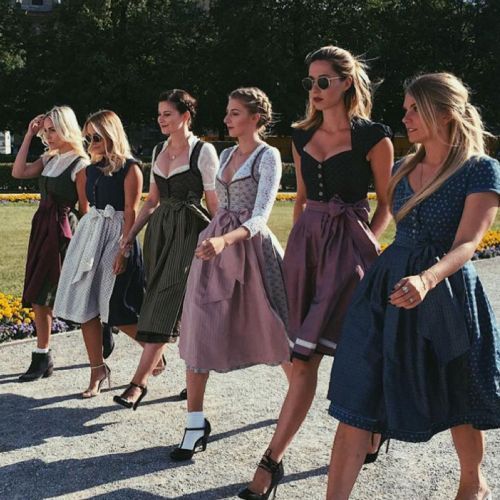
Dirndl types are defined by length and style. This dictates your target market, from traditional festivals and formal weddings to modern, trend-driven parties.
| Dirndl Type | Typical Length | Core Use Cases | Main Style Orientation |
|---|---|---|---|
| Традиционный | Calf to ankle | Folk festivals, heritage clubs, gastronomy | Heritage, regional patterns, durable fabrics |
| Мини | Above the knee (~50 cm) | Parties, Oktoberfest, youth festivals | Playful, youthful, fashion-forward |
| Миди | Just below the knee | Festivals, weddings, professional uniforms | Versatile, chic, commercially safe |
| Maxi | Ankle-length | Weddings, formal balls, ceremonial events | Elegant, formal, premium fabrics |
| Modern Fashion | Any length | Urban markets, international fashion | Trend-driven, novel fabrics, minimalist |
Традиционные платья дирндль
These are the original garments, derived from 19th-century rural workwear traditions. Traditional dirndls feature modest cuts with skirts that fall between the calf and ankle. They stick to classic, durable fabrics like cotton, linen, and wool. Many designs incorporate patterns and color schemes specific to a particular Alpine region, which signals authenticity to discerning buyers. You’ll see them worn at heritage festivals, by members of traditional clubs (Trachtenvereine), and as uniforms in classic gastronomy settings that want an authentic feel.
Mini Dirndl Dresses
The mini is all about the festival party scene. It features a short skirt, usually around 50 cm long, that ends well above the knee. The styling is intentionally youthful and playful, making it a volume seller for large events like Oktoberfest, especially among tourists and younger crowds. These dresses often use bright colors and fashion-forward details to catch the eye. For a wholesaler, they are a high-turnover seasonal item, but their trend-driven nature means you have to manage inventory carefully.
Midi Dirndl Dresses
This is the workhorse of the dirndl market. The skirt falls just below the knee, a length that is almost universally flattering and incredibly versatile. The midi effectively balances traditional style with modern wearability, making it the core commercial staple for most retailers. It’s appropriate for almost any setting, from family events and festivals to professional uniforms in upscale hospitality. If you’re building a dirndl assortment, the midi is your safest and most profitable foundation.
Maxi Dirndl Dresses
Maxi dirndls are for formal and ceremonial events. The ankle-length skirt creates an elegant silhouette, often enhanced with a petticoat to add volume and presence. These are not everyday garments; they are frequently made from premium materials like silk, brocade, or velvet. Their primary market is high-end, targeting customers attending weddings, formal balls, or other special occasions. For a business, this is a lower-volume but higher-margin category that caters to a specialty clientele.
Modern Fashion Dirndls
Modern fashion dirndls focus on updating the traditional silhouette with contemporary fabrics, colors, and design details. These styles allow brands to offer a fresh interpretation of Bavarian-inspired fashion while maintaining recognizable dirndl elements. A modern fashion dirndl takes the classic silhouette and reinterprets it with trendy fabrics, minimalist cuts, or new embellishments.
You might see a monochrome dirndl made entirely of velvet or a design with stark, simple lines. These styles are aimed squarely at trend-conscious customers, particularly in urban centers and international markets where the “Bavarian look” is adopted as a fashion statement rather than a strict tradition.
Bring Your Fashion Vision to Market Faster

Choosing The Right Dirndl Types For Different Markets
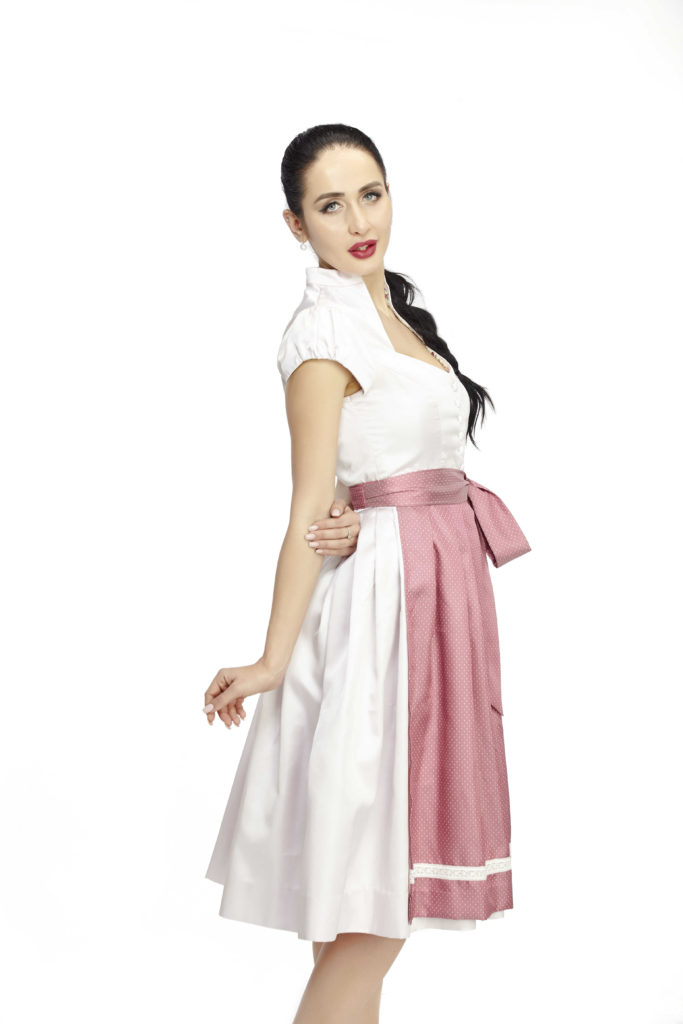
Success in the dirndl market means matching product to people. Align length, style, and fabric with your target customer, from Oktoberfest tourists to local wedding guests.
Analyzing Dirndl Types by Length, Style, and Fabric
A buyer’s assortment strategy lives or dies on three main variables: length, style, and fabric. These aren’t just aesthetic choices; they define your target customer, price point, and inventory risk.
Length is the most basic filter. The market is split into three core categories. Mini dirndls, with a skirt length around 50 cm, target younger, fashion-focused customers for parties and casual festival looks. They turn over quickly but are trend-sensitive.
The Midi dirndl, falling around the knee, is the commercial workhorse. It’s the most versatile and broadly accepted length, making it the safest bet for bulk orders and the core of most collections. Finally, Maxi dirndls are ankle-length and cater to the traditional, formal, and bridal markets. This is a smaller, higher-margin niche that values elegance and authenticity.
Style creates another clear split. Traditional dirndls use classic cuts, modest lengths (midi or maxi), and durable fabrics like cotton, linen, or wool. Their patterns and colors are often tied to specific regions. These are long-term inventory assets that can be sold season after season.
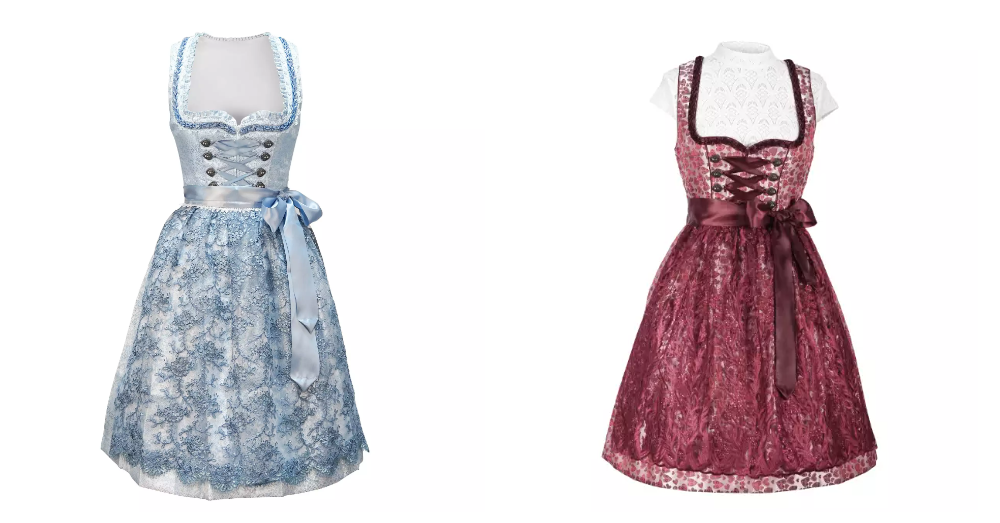
Modern or fashion dirndls, on the other hand, are trend-driven. They use contemporary colors, embellishments, and alternative fabrics like lace, tulle, or velvet. These pieces are for seasonal refreshment and impulse buys around events like Oktoberfest, but they require much tighter inventory management to avoid markdowns.
Matching Dirndl Assortments to Key Market Segments
Once you understand the types, you can build assortments for specific buyers. Different markets have completely different expectations.
German-speaking Core Markets (Germany, Austria)
These customers have a strong connection to regional heritage. They wear dirndls for local festivals, church events, and weddings, not just Oktoberfest. Authenticity sells.
- What to stock: Traditional and vintage styles in midi and maxi lengths. Focus on high-quality fabrics like cotton, linen, and wool. High-necked and other modest cuts are essential for formal and church events.
- The play: Offer depth in regional designs and include premium price tiers. These buyers appreciate quality and will pay for it.
Global Oktoberfest & Tourism Markets (US, UK, Australia)
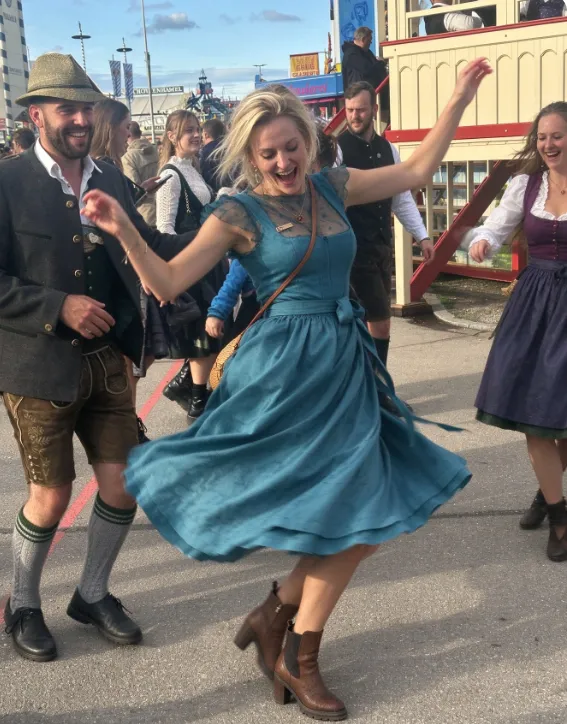
Here, purchasing is event-driven. Customers want a recognizable “Bavarian” costume for a beer festival or themed party. Precise authenticity is less important than the overall look and price.
- What to stock: Midi dirndls are the core, as they are versatile and look “correct.” Supplement with mini dirndls for younger, party-focused crowds. Use bright colors and bold patterns. A mix of budget “party” dirndls and better mid-range options is critical.
- The play: Volume. Focus on durable, washable fabrics and clear “good-better-best” pricing. These customers are price-sensitive and value a complete, easy-to-buy outfit.
Wedding & Formal Markets
This is a high-margin, niche segment. The dirndl is used as a wedding dress or formal attire for guests. Modesty, elegance, and premium appearance are the primary drivers.
- What to stock: Maxi and elegant midi dirndls. Designer and high-necked styles in premium fabrics like silk, lace, and jacquard. The color palette shifts to pastels, ivory, and white.
- The play: Curation, not volume. Offer coordinated sets for bridal parties and upsell with matching accessories. Quality and construction justify the higher price point.
Manufacturing Considerations For Wholesale Buyers
Dirndl manufacturing for wholesale balances MOQ hurdles, fabric minimums, and design complexity. Success hinges on modular designs and smart fabric consolidation to manage costs.
MOQ Requirements
Minimum Order Quantities (MOQs) are the biggest hurdle in apparel manufacturing. For dirndls, expect a tiered system. Some specialized suppliers will work with as few as 25–100 units per style, which is great for testing. But for full-scale production with custom elements, most factories need 500–1,000+ units per style to make a run profitable.
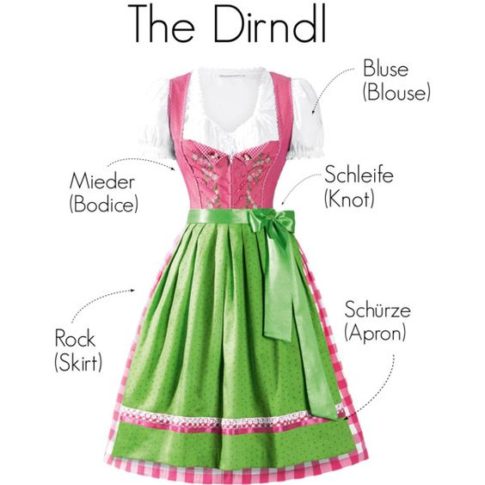
The complexity of a dirndl drives these high numbers. It’s a multi-component garment with a bodice, skirt, and apron, often using different fabrics. A fabric mill might require an 800-1,000 meter order for a single custom color. Add separate minimums for unique metal hooks, ribbons, and branded labels, and the total required volume quickly climbs. Factories want larger runs to justify the complex setup and skilled labor involved.
You can work around this. The smartest strategy is to consolidate your materials. Use a shared base fabric across multiple styles to meet the mill’s minimum in a single dye lot. Standardize your trims by using the same set of hooks, zippers, and labels across the collection. This simplifies your supply chain and helps you meet supplier MOQs without over-ordering niche components.
There’s always a trade-off. A higher MOQ usually gets you a lower cost per piece but ties up more cash in inventory. Low-MOQ orders carry a higher unit cost but reduce your financial risk. They are also faster if you stick to stock fabrics, with lead times around 3–4 weeks instead of the 6–8+ weeks needed for custom materials.
Fabric And Design Customization
Customization is how you differentiate your brand, but it’s also where costs and complexity can get out of control. Your main levers are fabric and design. The biggest decision you’ll make is choosing between stock and custom fabrics.
Using a manufacturer’s stock fabrics (standard cottons, linens, or blends) is the fastest and cheapest path. It allows for lower MOQs and cuts lead times to about 3–4 weeks. But if you want a unique jacquard pattern or a precise brand color, you’re in the custom fabric world. This means working with fabric mills, hitting their 800-1,000 meter minimums, and waiting 6–8 weeks before your garments even get sewn.
Design customization has its own set of rules. Structural changes like the neckline shape, skirt length, or bodice construction impact pattern development and sewing complexity. Decorative elements like lace, embroidery, and hardware are all about managing individual supplier MOQs. A practical approach is to develop a “trim family”—a consistent set of ribbons and hooks that you can use across multiple styles, just in different ways.
A modular design strategy is the most efficient way to build a wholesale collection. Create a few core dirndl “blocks” with a shared, proven pattern. Then, produce visual variety by changing the fabrics, colors, and apron styles. This gives the appearance of a broad product line without the massive cost and lead time penalties of developing dozens of unique garments from scratch.
Frequently Asked Questions
Which dirndl style sells best in wholesale?
The highest-selling wholesale dirndl is a style that looks traditional but is updated for modern tastes. It’s typically a midi-length dress made from a durable and affordable cotton/polyester blend. The most successful color palettes are muted or pastel shades, which photograph well and have broad appeal. These dresses are designed for the largest market segments: tourists and festival-goers, especially for Oktoberfest. The wholesale price is set to allow retailers to sell them in the budget to mid-range (around 40€ to 150€), making them an attractive option compared to more expensive, bespoke garments.
What is the most popular dirndl length for wholesale?
The midi length, with a skirt that falls just below the knee (about 60–75 cm), is by far the most popular and commercially successful length. Retailers and brands consider it the ‘universal’ length because it suits the widest range of body types, ages, and occasions. While mini dirndls are popular with a younger, party-focused crowd and maxi dirndls are for formal or traditional events, the midi length hits the sweet spot for the majority of buyers. For wholesalers, focusing on midi dirndls ensures the highest sell-through potential for both local and tourist markets.
Final Thoughts
Selecting the right dirndl styles is only the first step in developing a successful collection. Factors such as fabric quality, design details, customization needs, and production capability all influence the final result.
As an experienced wholesale garment manufacturer, we support brands and buyers with OEM and ODM services, from design development and sampling to bulk production. Our team helps fashion businesses create customized dirndl dresses and other women’s apparel collections that fit their brand positioning and market needs.


 Russian
  English
  French
  Portuguese
  Hindi
Hindi  Italian
  Japanese
  Korean
  Spanish
  Arabic
  German