
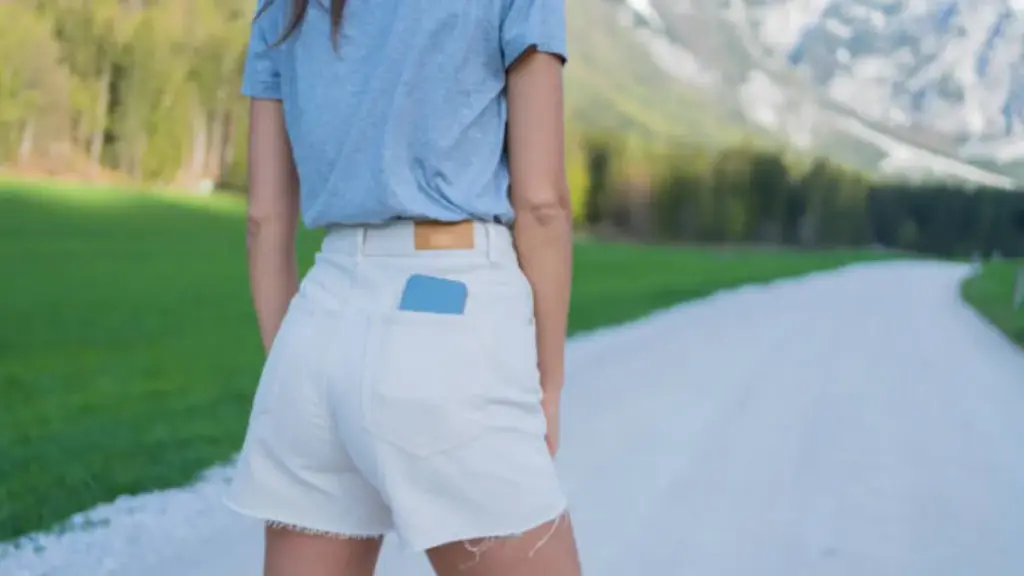
Choosing the right types of short trousers for women helps brands create collections that match customer preferences, production requirements, and market trends. From fabric selection to silhouette design, each choice can influence product appeal, production efficiency, and inventory performance.
This guide explores four popular styles—tailored shorts, Bermuda shorts, culottes, and denim shorts—by comparing their silhouettes, common fabrics, and suitable applications to help brands make better design and sourcing decisions.
Main Types Of Short Trousers Explained
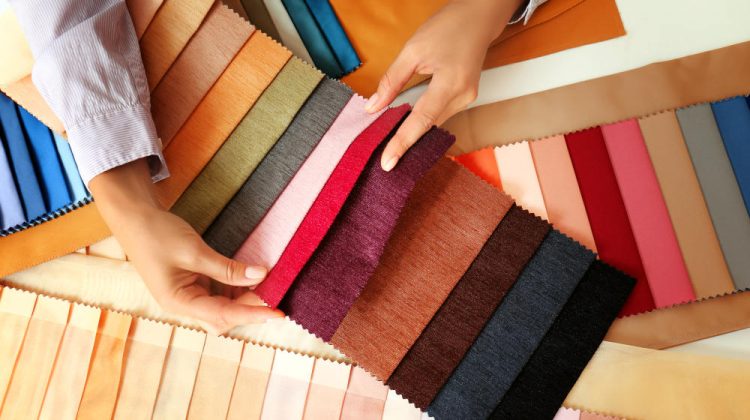
Women’s short trousers fall into four core categories, each defined by specific lengths, silhouettes, and fabrics to serve distinct professional or casual uses.
| Short Type | Typical Length | خيال | Primary Use Cases | Typical Fabrics |
|---|---|---|---|---|
| Elegant Tailored Shorts | Mid-thigh to just above the knee | Structured, straight or slightly tapered | Professional, smart-casual, city wear | Cotton twill, suiting blends, linen |
| Classic Bermuda Shorts | 1-3 inches above the knee or knee-length | Tailored, straight leg | Smart-casual, semi-formal | Cotton twill, linen, cotton-linen blends |
| Flowy Culottes & Wide-Leg Shorts | Mid-thigh to below the knee | Wide, relaxed leg that can resemble a skirt | Daily wear with high airflow, creative-professional | Lightweight wovens like rayon, viscose, and soft linen blends |
| Casual Denim Shorts | Short (2-3″ inseam) to mid-length (5-7″ inseam) | Fitted to relaxed, often with five-pocket styling | Casual everyday wear, weekends, travel | Denim (cotton twill), sometimes with stretch |
How To Choose The Right Type For Your Body Shape
The right shorts use specific cuts and details to balance proportions. It’s about working with your shape, not trying to hide it.
Pear and Apple Body Shapes
For a pear shape, where hips are wider than the shoulders, the goal is to balance the silhouette. Bermuda shorts or styles that end just above the knee are a solid choice because they don’t cut across the widest part of the thigh. Opt for straight-leg cuts in dark, neutral colors to avoid drawing attention to the hips. Steer clear of styles with bulky side pockets, pleats, or any embellishments around the hip area. A clean, simple, mid-rise short is your best bet.
For an apple or oval shape, where volume is concentrated in the midsection, the strategy is to create a longer, more streamlined torso and highlight your legs. Look for shorts with a flat front and a mid-rise waistband that sits comfortably without pinching. Avoid high-waisted styles that can emphasize the abdomen. Fabrics with a bit of drape that flow away from the body work better than stiff or clingy materials. You can often go with shorter lengths to draw attention to your legs.
Hourglass, Rectangle, and Inverted Triangle Shapes
If you have an hourglass figure with a well-defined waist, your main goal is to highlight it. High-waisted shorts are practically made for this body type. Styles with belts or tie-waists work especially well to draw the eye to your narrowest point. You have flexibility with length, from shorter cuts to Bermudas, as long as the waist is defined.
A rectangle shape is more linear, with less difference between the shoulders, waist, and hips. Here, the goal is to create the illusion of curves. You can use details to your advantage. Look for shorts with pleats, front pockets, or even patterns to add volume to your hips. A-line cuts or styles with a slight flare can also help build a curvier silhouette. A belt cinched at the waist is another effective trick.
For an inverted triangle shape, with broader shoulders and narrower hips, you want to add volume to your lower body to create balance. This is the time to embrace details. Go for shorts in lighter colors, bold prints, or with embellishments. Styles that flare out, like A-line or wide-leg shorts, are excellent choices. Cargo pockets, pleats, and fluid fabrics all work to build volume on your bottom half, balancing your shoulders.
Scale Your Brand with Flexible Manufacturing
Sourcing And Manufacturing Short Trousers For Your Brand
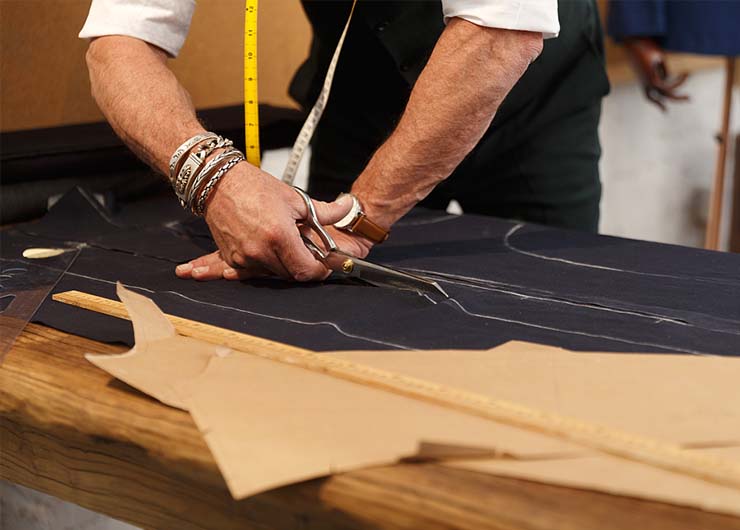
Sourcing shorts involves managing private labels, Minimum Order Quantities (MOQs), fabrics, and production requirements. For new brands, using available fabrics and simpler designs can be a practical way to start production.
Customizing Private Labels And Tags
When developing private-label short trousers, brands can customize key details such as logos, labels, and product information to create a unique brand identity. Manufacturers typically require logo files, target quantities, and design references such as sketches, samples, or product photos to start the development process.
Branding can be applied in several ways, and the best method depends on your design and budget. Common options include:
- Woven or heat-transfer labels for a clean, professional look inside the waistband.
- Custom hang tags to convey brand story and product details at the point of sale.
- Embroidery, screen printing, or DTG printing for logos applied directly to the fabric.
- Patches or small tags on hems and pocket bags for subtle branding.
Even if you use a factory’s stock fabric to keep costs down, you can still add these custom branding elements. Screen printing, embroidery, and adding your own labels are all done after the main garment is constructed, giving you flexibility without needing a custom fabric run.
Understanding MOQ And Bulk Production Options
MOQ stands for Minimum Order Quantity. It’s the smallest order a manufacturer will run for you. This isn’t an arbitrary number; it’s driven by real costs. Fabric mills have their own minimums for custom-dyed material, and factories need to produce enough units to make the labor setup for a specific design efficient. If your design for custom women’s short trousers requires custom-dyed fabric, unique trims, or special finishes, the MOQ will be higher because every supplier in that chain has their own minimums.
You may achieve more flexible MOQ requirements by reducing production complexity and limiting the use of custom-sourced materials. Some practical approaches include:
- Using the factory’s available stock fabrics, which avoids fabric mill minimums.
- Creating simpler designs with fewer trims and standard hardware.
- Choosing branding methods like embroidery or screen printing that don’t require custom materials.
Before you give the green light for a bulk order, make sure you confirm everything. That means signing off on the final approved sample, the grading for your entire size chart, the exact fabric color match, and all your packaging details. This approved sample becomes the gold standard for the entire production run.
الأسئلة الشائعة
What are the different styles of short trousers?
Popular styles of short trousers include tailored shorts, Bermuda shorts, culottes, wide-leg shorts, and denim shorts. Each style has different silhouettes, lengths, and fabric options, making them suitable for various occasions, from casual daily wear to smart-casual and professional-inspired looks.
What are tailored shorts called?
Tailored shorts are also known as dress shorts or smart shorts. They usually feature structured cuts, clean lines, and fabrics similar to trousers, such as cotton twill, linen blends, or suiting materials. They are commonly used for polished casual outfits and fashion collections that require a more refined look.
How to style Bermuda shorts?
Bermuda shorts can be styled with fitted tops, blouses, shirts, or lightweight jackets for a balanced silhouette. For a casual look, they pair well with sneakers or sandals, while loafers and structured tops can create a more polished smart-casual outfit.
What is the difference between shorts and short trousers?
The terms are often used interchangeably, but short trousers usually refers to a broader category that includes different designs, fabrics, and structured styles. Shorts are generally considered a casual version with shorter lengths, while short trousers can include tailored, Bermuda, and fashion-oriented styles.
Are culottes considered short trousers?
Yes, culottes can be considered a type of short trousers. They feature a wide-leg silhouette that often resembles a skirt while maintaining the structure of trousers. Culottes are popular in women’s fashion collections because they offer comfort, movement, and a more elegant appearance.
What shoes to wear with short trousers?
The best shoes for short trousers depend on the style and occasion. Sneakers and sandals work well with casual denim or wide-leg shorts, while loafers, flats, and low heels pair nicely with tailored shorts or Bermuda shorts for a more refined outfit.
الخاتمة
A successful collection depends on thoughtful decisions beyond production cost. Understanding the relationship between silhouette, fabric, and fit can help brands create products that better match customer expectations and reduce potential inventory risks.
As an experienced private label clothing manufacturer, we support brands with flexible production solutions, from sample development to bulk manufacturing. Before moving into bulk production, we recommend reviewing samples to evaluate garment construction, fabric options, and finishing details. Contact our team to discuss your private label requirements and production plans.



 Arabic
  English
  French
  Portuguese
  Hindi
Hindi  Italian
  Japanese
  Korean
  Spanish
  German
  Russian