
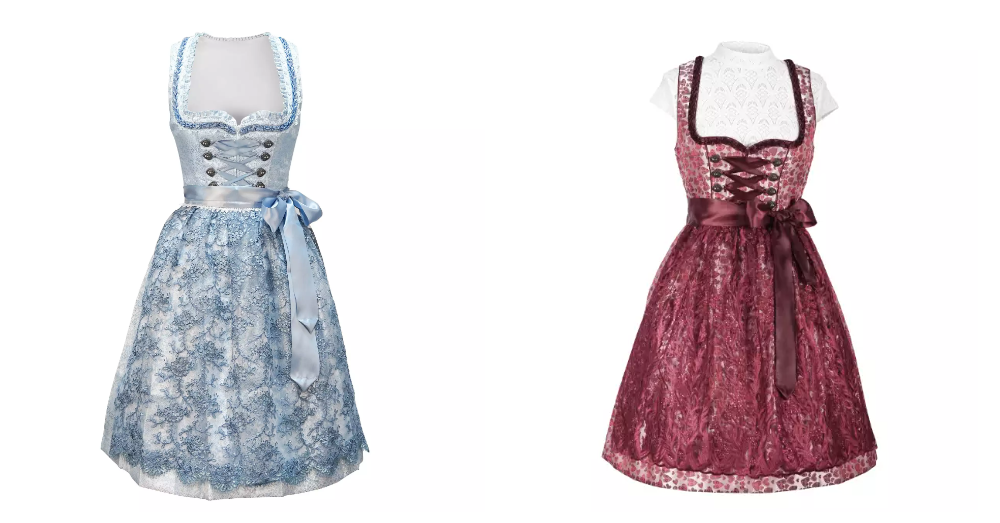
Looking for the right dirndl skirt for a festival, formal event, or everyday style? The right length, fabric, and skirt style can make a noticeable difference in the overall look and comfort of a dirndl.
Here is a practical look at the most common dirndl skirt lengths, styles, and fabrics, along with how each option affects the silhouette and occasion. Whether you are exploring dirndl styles for yourself or developing a collection, these basics can help you understand the differences and make more informed choices.
Why Skirt Selection Matters In Dirndl Design
The skirt shapes the overall silhouette of a dirndl and affects its level of formality. Length, fullness, and fabric choice can change how the skirt balances with the bodice and apron.
Shaping the Silhouette and Signaling Authenticity
The skirt is the core of a dirndl’s shape. It provides the volume and movement that balances the famously tight-fitting bodice. A classic dirndl silhouette requires a full skirt, typically made from a wide rectangular panel of fabric gathered heavily at the waist. Insufficient fabric volume can result in a flatter silhouette and weaken the balance between the skirt and bodice. Excessive fullness, on the other hand, can add bulk and affect the overall proportion of the dirndl.
In traditional dirndl styling, skirt length often influences the overall impression of the outfit. Midi lengths are commonly chosen for festivals and everyday wear, while longer maxi styles are often associated with more formal occasions. Shorter mini versions are generally considered more modern interpretations.
Choosing period-appropriate fabrics like cotton, linen, or wool over cheap synthetics is another key differentiator. A poorly chosen skirt with imprecise length or flimsy fabric immediately signals a low-quality costume, not a genuine dirndl.
Determining Formality, Comfort, and Visual Harmony
The skirt’s design is a direct signal of the event’s formality. A short cotton skirt is fine for a casual summer gathering, but a wedding or ceremony calls for a long, elegant skirt in a richer fabric like silk or fine wool. The midi length is the versatile workhorse, seen as the standard for major festivals like مهرجان أكتوبر because it balances tradition with practicality.
Comfort is critical, especially for an all-day festival. The skirt’s fabric is critical here. Breathable cottons and linens are ideal for warm weather and crowded beer tents. The length also impacts mobility. A midi-length skirt is easy to walk and dance in, even on uneven festival grounds. Fullness isn’t just for looks; it ensures you can actually move, sit, and even climb onto a bench without restriction.
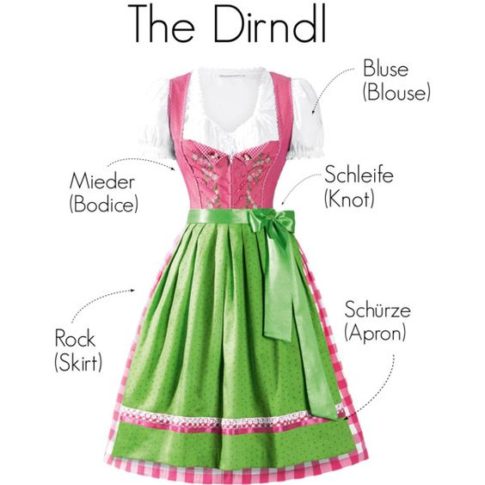
Finally, the skirt must harmonize with the bodice and apron. The three fabrics should form a cohesive design. A common approach is to start with a patterned apron and pull solid colours for the skirt and bodice from that pattern. Any mismatch in fabric weight, colour, or pattern will disrupt the outfit’s balance and diminish its overall quality.
Main Dirndl Skirt Lengths Explained
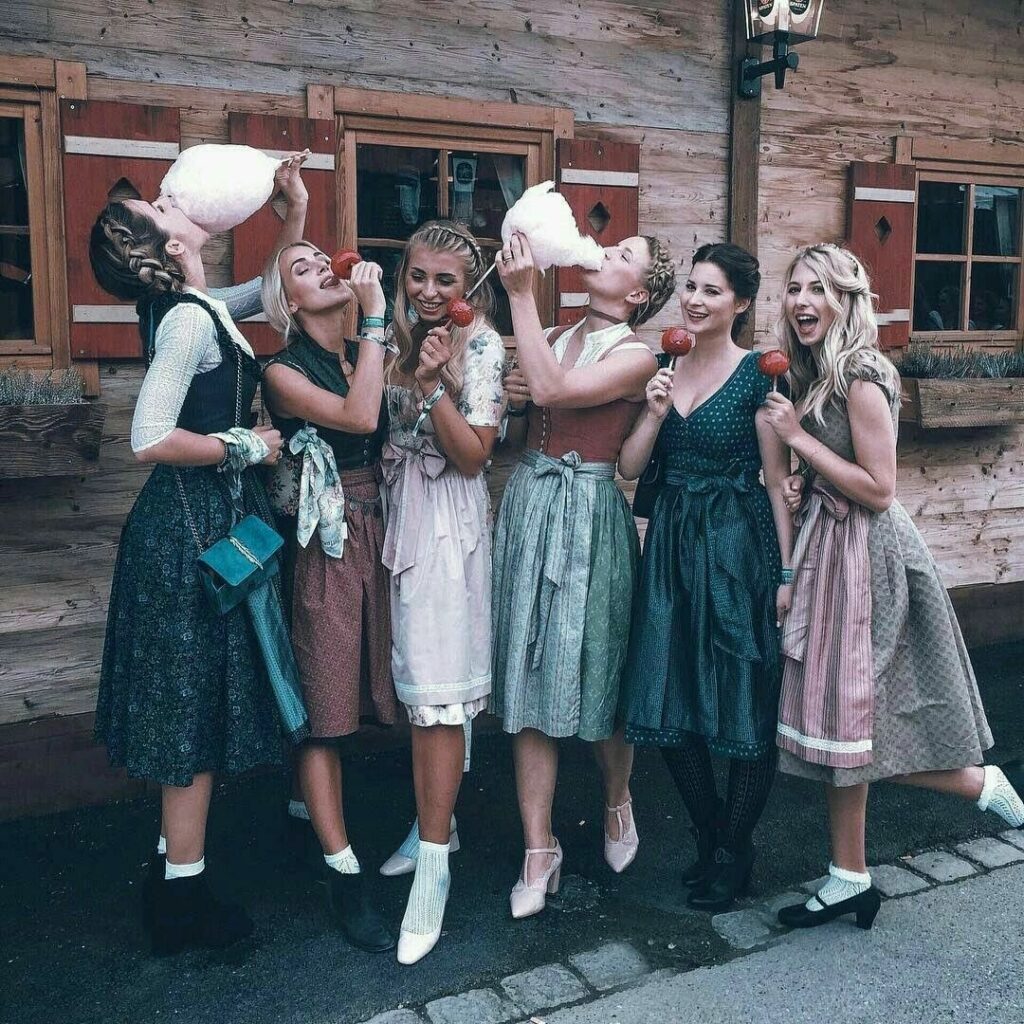
Dirndl skirt length dictates formality and occasion. Minis are for casual parties, midis are the versatile standard for Oktoberfest, and maxis are for formal, traditional events like weddings.
| Skirt Length | Length (from waist) | Best For | Style Profile |
|---|---|---|---|
| ميني | 45–60 cm (hem is well above the knee) | Casual parties, summer festivals, and other informal settings. | A youthful, modern, and playful look. It’s the least traditional option. |
| ميدي | 60–85 cm (hem falls at the knee or mid-calf) | The most versatile length, a safe bet for nearly all events, including Oktoberfest. | The accepted standard. It offers a balanced, practical, and traditionally appropriate look. |
| Maxi | 80–100 cm (hem reaches the ankles) | The most formal and traditional choice, perfect for weddings, ceremonies, and cooler weather. | An elegant, modest, and classic silhouette that is rooted in historical attire. |
Launch Your Collection with Fast, Flexible Production
Popular Dirndl Skirt Styles
Pleated, A-line, and layered skirts offer different ways to manage the volume and silhouette of a dirndl, moving from a tailored look to a more flowing or festive one.
Pleated Skirts
Pleated dirndl skirts swap soft gathers for structured folds. Instead of bunching the fabric at the waistband, this style uses pleats—like knife or box pleats—to control the fullness. The result is a cleaner, more tailored appearance that reduces bulk around the waist, which can make the skirt more comfortable to wear. This structured approach still allows the hem to flare out, maintaining the characteristic dirndl shape. Because they emphasize clean lines, pleated styles work particularly well for midi and long skirts where the folds are more visible.
A-Line Skirts
The A-line style creates a gradual, smooth flare from the waist to the hem. Traditional dirndl skirts often use generous fabric volume gathered at the waist to create the characteristic full silhouette. Some modern designs enhance this effect with tapered or paneled cuts.
The A-line offers a classic silhouette that’s less voluminous than a heavily gathered peasant style but much fuller than a simple straight skirt. It’s a versatile look that adapts well beyond purely traditional outfits, and some modern versions even include practical features like pockets.
Layered Skirts
Layered skirts use multiple tiers of fabric to build volume, texture, and color contrast. This can be achieved in a few ways. A sheer overskirt (like organza) might be placed over an opaque base, or the skirt might be built with horizontal tiers that get wider toward the hem for a dramatic folk style.
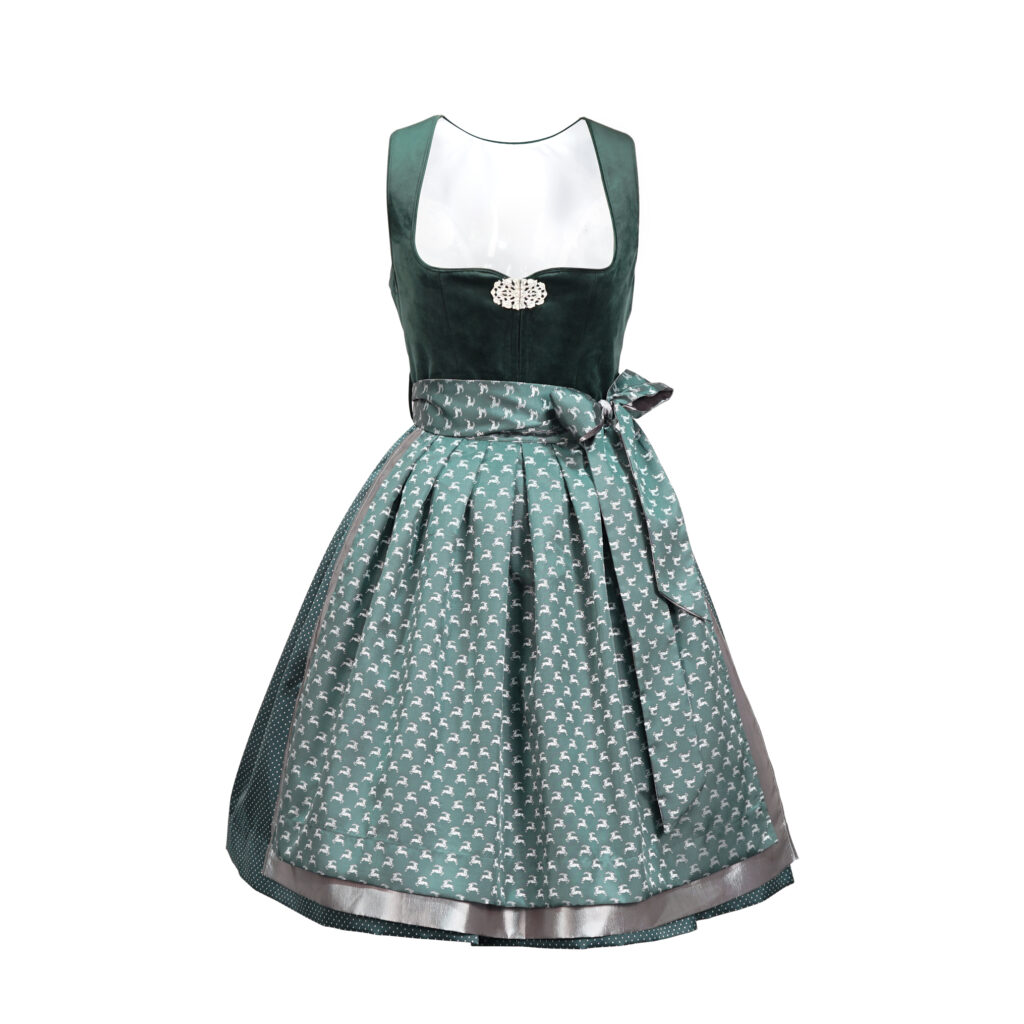
Even the traditional dirndl apron worn over the skirt creates a layered effect. This approach is great for adding visual fullness and movement, especially for festive or ceremonial outfits. It also allows for creative combinations, like a solid base skirt with a patterned apron or a sheer layer with decorative trims.
Best Fabrics For Dirndl Skirts
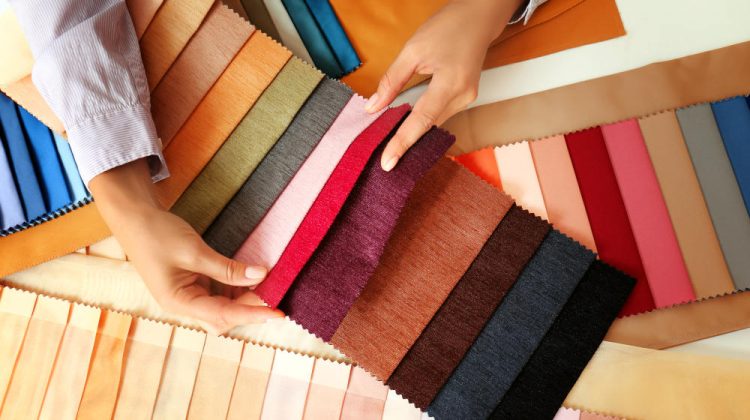
Fabric choice depends on the occasion: cotton for festivals, linen for summer, and satin or velvet for formal events. Each has a specific job to do.
| قماش | Best For | Key Characteristics |
|---|---|---|
| القطن | Everyday festival wear | Breathable and comfortable, holds pleats well. Durable, easy to wash, and available in traditional prints (florals, dots, stripes). |
| الكتان | Summer events, rustic look | Excellent cooling properties. Creates crisp, defined folds. Prone to wrinkling, which is part of its authentic character. |
| Satin & Velvet | Formal or festive occasions | Luxurious appearance. Satin provides a smooth sheen and fluid drape; velvet adds rich texture, structure, and warmth for cooler events. |
Cotton Fabrics
Breathable and comfortable, cotton is the go-to for everyday festival wear because it holds pleats well. It’s also durable, easy to wash, and comes in all the traditional prints like small florals, dots, and stripes.
Linen Fabrics
Linen gives you that traditional, rustic look and has excellent cooling properties, making it perfect for summer festivals. Its crisp texture creates defined folds, but expect it to wrinkle—that’s part of its authentic character.
Satin And Velvet Fabrics
These fabrics are reserved for more formal or festive dirndls where you want a luxurious appearance. Satin offers a smooth sheen and a fluid drape, while velvet brings a rich texture, solid structure, and warmth for cooler events.
الأسئلة الشائعة
What length should a Dirndl skirt be?
The right skirt length depends on the occasion and your style. The ميدي length, usually falling around the knee to mid-calf area, is one of the most popular dirndl skirt options because it balances traditional style, comfort, and versatility. ميني skirts (above the knee) offer a more playful, modern look suitable for casual parties. For formal events like weddings, a Maxi or long dirndl that reaches the ankle provides an elegant and traditional appearance.
What is the best fabric for a Dirndl?
القطن is a popular choice for many dirndl designs because it offers breathability, comfort, and good structure. For more formal styles, fabrics such as velvet, satin, or refined blends can create a richer appearance. While synthetic materials are easy to clean, natural fibers like cotton offer better comfort and a more authentic feel.
الخاتمة
A successful dirndl collection requires careful consideration of fabric selection, skirt proportions, and production details. These elements not only influence the appearance of each garment but also affect customer experience and market positioning.
As a professional women’s fashion wear manufacturer, we provide OEM and ODM garment production services for brands, designers, and wholesalers. From customized dirndl styles to other fashion collections, our team supports clients with design development, sampling, and reliable manufacturing solutions.


 Arabic
  English
  French
  Portuguese
  Hindi
Hindi  Italian
  Japanese
  Korean
  Spanish
  German
  Russian