Finding a reliable clothing manufacturer in China is a high-stakes decision where one mistake directly impacts your profit margins and lead times. Partnering with the wrong factory introduces risks of inconsistent quality and production delays that can damage a brand’s launch and reputation.
This guide provides a verification framework built on actionable data. We outline the process for analyzing business licenses, confirming key certifications like ISO 9001 and BSCI, and evaluating a factory’s true production capacity before you commit to a bulk order.
China’s Apparel Manufacturing Industry: Capabilities and Advantages
China’s apparel industry combines specialized manufacturing clusters, integrated supply chains, and skilled workforces to support diverse clothing production needs..
Established Manufacturing Clusters and Supply Chains
China’s apparel industry is concentrated in several major manufacturing regions, each with distinct product specialties and supply chain advantages.
- Guangdong: Known for fashion apparel, casualwear, denim, and garment export manufacturing, with established sourcing networks for fabrics and accessories.
- Zhejiang: A major hub for knitwear, socks, synthetic fabrics, and various types of casual clothing.
- Jiangsu: Offers strong capabilities in textiles, woven fabrics, silk garments, and higher-value apparel manufacturing.
These manufacturing clusters provide access to supporting suppliers across fabric production, dyeing, finishing, trims, and garment assembly. Their close proximity allows manufacturers to coordinate material sourcing and production more efficiently, helping buyers manage different product requirements and order volumes.
Manufacturing Technology and Quality Standards
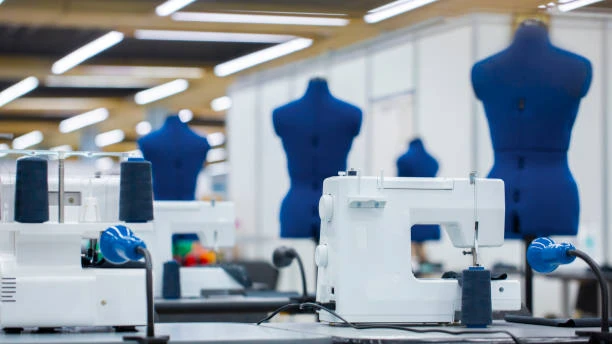
Chinese clothing manufacturers increasingly use modern production equipment and digital tools to improve manufacturing precision, efficiency, and product consistency. Common technologies include CAD/CAM pattern systems, automated fabric cutting, and 3D pattern development and sampling. Combined with experienced pattern makers and skilled sewing workers, these capabilities support both standard garment production and more complex designs.
Quality management and compliance also play an important role in export manufacturing. Buyers may encounter several internationally recognized standards and certifications when evaluating potential suppliers:
- ISO 9001: Focuses on quality management systems and standardized operational processes.
- WRAP and SMETA: Assess workplace conditions, labor practices, and broader social compliance.
- OEKO-TEX Standard 100: Tests textiles and components for harmful substances.
These standards address different aspects of manufacturing and product compliance. Buyers should verify the actual certificate or audit report, its validity, scope, and issuing organization rather than relying solely on a factory’s claims.
Where To Find Clothing Manufacturers In China
You can find clothing manufacturers through online B2B sites, trade shows, or direct sourcing. The best approach often combines these methods to vet partners and build direct relationships.
منصات B2B عبر الإنترنت
Online B2B marketplaces provide a convenient starting point for finding clothing manufacturers. Platforms such as Alibaba, Made-in-China.com, and Global Sources allow buyers to search by product category, location, and manufacturing capabilities.
Use specific search terms such as “Custom Women’s Clothing Manufacturer ” or “private label dress factory” to find suppliers with relevant product experience. Different platforms serve different needs:
- Alibaba: Offers a broad selection of apparel suppliers, product listings, and trade assurance services.
- Made-in-China.com: Connects international buyers with Chinese manufacturers across various garment categories.
- Global Sources: Focuses on export-oriented suppliers and also organizes international sourcing exhibitions.
- 1688.com: Provides access to China’s domestic wholesale market, although Chinese-language support may be necessary.
- DHgate: Generally suits small-volume wholesale purchases and ready-made clothing.
Compare supplier profiles, product ranges, and customization services. Contact several manufacturers with the same specifications to compare MOQ, pricing, and production timelines.
Trade Shows and Industry Networks
Trade shows allow buyers to meet manufacturers, inspect garment samples, and discuss production requirements face-to-face. Relevant events include:
- CHIC (China International Fashion Fair): Covers clothing manufacturers, fashion brands, and apparel supply chains.
- Intertextile Shanghai Apparel Fabrics: Connects buyers with fabric and accessory suppliers.
- Canton Fair: Features clothing and textile-related exhibitors serving international markets.
Before attending, review exhibitor directories and shortlist companies specializing in your target clothing category. Prepare product references, estimated order quantities, and questions about OEM/ODM services and MOQs.
Buyers can also find manufacturers through referrals from fabric suppliers, sourcing agents, logistics providers, and other apparel industry contacts.
Direct Factory Sourcing
Direct factory sourcing involves contacting manufacturers without relying on intermediaries. It is particularly suitable for custom apparel, private-label collections, and long-term OEM/ODM partnerships.
Buyers can use Google searches such as “clothing manufacturer in Guangzhou” or “custom denim factory in China” to find factory websites. Industry directories and referrals from existing suppliers are also useful sources.
When contacting potential factories, provide your product category, design requirements, estimated order quantity, target market, and production timeline. This helps manufacturers assess project suitability and prepare relevant quotations.
A practical strategy is to build an initial supplier list through B2B platforms and search engines, then contact shortlisted factories directly. Trade shows and industry referrals can further expand sourcing options.
Looking for a Reliable Clothing Manufacturer in China?
How To Verify A Manufacturer’s Reliability
Verifying a manufacturer isn’t about trust; it’s about proof. Check their papers, audit their operations, and test their actual product before committing to a bulk order.
| Verification Method | Key Actions to Take |
|---|---|
| Production Capacity Assessment |
|
| Factory Certifications And Audits |
|
| Sample Quality Evaluation |
|
What Development Services Should a Clothing Manufacturer Offer?
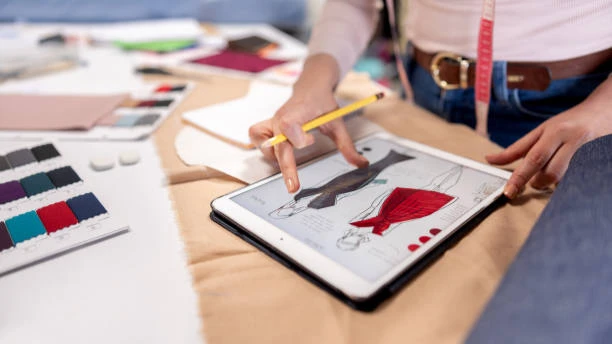
A capable clothing manufacturer should offer more than garment assembly. Design, fabric sourcing, and sampling services help brands develop products from initial concepts to finished garments.
Trend Research and Design Development
Manufacturers with design development capabilities can help brands adapt product ideas to target markets, customer preferences, and seasonal fashion trends.
Buyers should look for manufacturers that can:
- Suggest styles, colors, and design details based on target customer preferences.
- Develop garment designs from sketches, reference images, or existing samples.
- Recommend adjustments to silhouettes and construction details based on production feasibility.
- Coordinate design and pattern development to prepare products for manufacturing.
For example, Hangzhou Garment worked with a European womenswear brand operating four retail stores but lacking an in-house design and pattern development team. The manufacturer helped the client with design development, fabric sourcing, and sample production. This type of service is useful for brands that understand their target market but need external product development support.
اختيار القماش and Material Sourcing
Fabric selection affects garment appearance, comfort, durability, and production costs. Manufacturers with established supplier networks can recommend materials according to product designs and budget requirements.
Important factors include:
- Fabric composition: Cotton, polyester, linen, and blended fabrics offer different properties in softness, breathability, and durability.
- Fabric weight: Measured in GSM, fabric weight affects thickness, drape, and seasonal suitability.
- Texture and appearance: Colors, surface finishes, and fabric structures influence the finished garment.
- Performance: Stretch, moisture absorption, wrinkle resistance, and colorfastness may be essential for specific products.
- Cost and availability: Material prices and minimum sourcing quantities should fit the production budget.
Hangzhou Garment, for example, supported a European womenswear client by sourcing fabrics and accessories through its Guangzhou supplier network and coordinating material options and customized samples. This helped the client access suitable materials without managing multiple suppliers independently.
Pattern Making and Sample Development
Pattern making converts garment designs into technical patterns used for fabric cutting and assembly. Accurate patterns help achieve the intended fit, proportions, and construction.
A manufacturer should be able to:
- Create patterns from design sketches, reference samples, or technical specifications.
- Develop size specifications and grading for different sizes.
- Produce samples to evaluate fit, materials, and workmanship.
- Revise patterns and samples according to buyer feedback.
Ask whether the manufacturer can manage the development process from initial design interpretation to final sample approval. This helps identify design and fit issues before bulk production begins.
How to Evaluate Clothing Samples Before Bulk Production
Evaluating garment samples helps buyers confirm fabric quality, fit, construction, and design accuracy before approving a bulk order.
Check Fabric Quality and Garment Construction
Check whether the sample matches the agreed material specifications and workmanship requirements. Pay attention to:
- Fabric composition and weight: Confirm fiber content and GSM against the agreed specifications.
- Fabric appearance: Check color consistency, texture, thickness, and stretch.
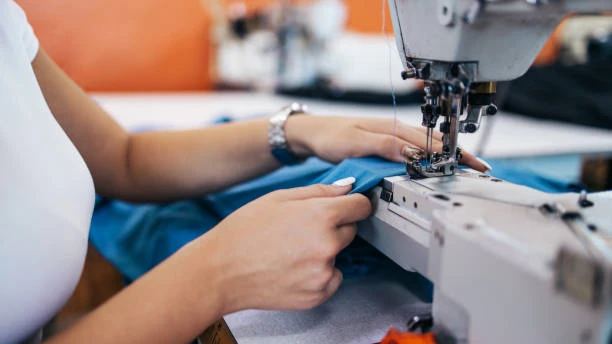
- Stitching quality: Look for even stitches, secure seams, and loose or skipped threads.
- Construction details: Inspect hems, collars, cuffs, pockets, zippers, and buttons.
- Durability: Where relevant, request washing and colorfastness tests.
Record any differences from the original specifications. Clear photos and written feedback help manufacturers identify specific issues and make corrections.
Verify Fit, Sizing, and Design Accuracy
A sample may meet material requirements but still fail to match the intended design if its measurements or proportions are incorrect.
Buyers should check:
- Measurements: Compare chest, waist, hip, shoulder width, and garment length against the approved size chart.
- Fit and comfort: Assess overall proportions, tightness, and freedom of movement.
- Size grading: Confirm consistent measurement adjustments across the required size range.
- Design details: Check colors, prints, embroidery, logos, and labels against approved designs.
- Functional components: Test zippers, buttons, drawstrings, and other closures.
Provide specific measurement corrections or visual references when requesting adjustments rather than general comments about fit.
Approve a Pre-Production Sample
Before bulk production, approve a final pre-production sample that reflects the agreed materials, measurements, construction methods, and design details.
The approval process should include:
- Compare the sample with the approved Tech Pack and product specifications.
- Confirm fabric, colors, trims, labels, measurements, and workmanship.
- Document all revisions made during sampling.
- Obtain written approval before mass production begins.
Keep an approved reference sample, often called a sealed or golden sample, for comparison during production inspections. Any subsequent changes to materials, measurements, or construction should be documented and approved by both parties. This helps maintain consistency between the approved sample and bulk garments.
Common Red Flags To Avoid When Finding Clothing Manufacturer
Pay attention to the warning signs. Promises that are too good to be true and shady business practices are the fastest way to a failed production run.
Operational and Production Warning Signs
On the factory floor, certain signs scream “problem ahead.” If the factory can’t get the basics of production and quality right, your order is at risk before it even starts.
- The quality of the bulk order drops significantly from the approved sample. This is a classic bait-and-switch.
- They can’t show you a documented quality control process. If they don’t have in-line and final inspection reports, they aren’t managing quality.
- They promise lead times that are way too fast. This usually means they’re rushing the job and skipping QC, or secretly subcontracting it to a cheaper, unknown workshop.
- They get cagey when you ask for verifiable certifications, or they flat-out refuse a factory visit or third-party audit. A legitimate partner has nothing to hide.
- There’s no sign of standard social or environmental audit reports. This can create major compliance and reputational risks for your brand.
Business Practice and Communication Red Flags
How a potential partner communicates and handles business details tells you everything you need to know. Don’t ignore these issues, as they almost always get worse once an order is placed.
- Communication is a mess. You get vague answers, slow responses, and your contact person changes every other week. This points to a disorganized or unstable operation.
- The price is suspiciously low. A quote that dramatically undercuts everyone else is a huge warning sign for cheap materials, hidden costs, or unethical labor practices.
- They demand risky payment terms. Insisting on 100% upfront or asking you to wire money to a personal bank account is a classic scam setup.
- They resist signing a detailed manufacturing agreement. If they won’t commit to quality standards and IP protection in writing, don’t work with them.
- They act like a factory but are actually just a trading company. This creates a middle layer that kills transparency and your control over production.
الخاتمة
Finding a reliable clothing manufacturer in China involves more than comparing prices and production quotes. Buyers should assess production capabilities, product development services, quality control, communication, and sample quality before placing a bulk order. These factors help determine whether a manufacturer can meet product specifications and support ongoing production needs.
If you are looking for a clothing manufacturer in China for your next collection, هانغتشو للملابس الجاهزة provides design development, fabric sourcing, pattern making, and sample production services. Contact Hangzhou Garment to discuss your product requirements and manufacturing plans.
الأسئلة الشائعة
What is the difference between a clothing manufacturer and a supplier?
A clothing manufacturer in China is the company that physically produces garments in its own factory. They handle the technical work of cutting, sewing, and finishing. A supplier is a broader term for any company that provides products; this includes manufacturers, but also trading companies, wholesalers, and distributors who may not own any production lines. The practical difference is whether the company you partner with owns the factory that makes your clothes or subcontracts the work to other factories.
How do I verify a clothing factory in China?
To verify a factory, first request its Chinese business license to confirm its business scope includes “manufacturing” or “production.” Next, schedule a live video call for a factory tour to see the production lines, equipment, and staff in real-time. This helps distinguish a real factory from a trading company. Also check their product specialization, request quality certifications like ISO 9001, and ask for social compliance audit reports such as BSCI or WRAP to assess their systems and ethics.
How many manufacturers should I contact when starting out?
A good strategy is to contact 5 to 10 manufacturers in the initial phase. This allows you to compare pricing, capabilities, and communication quality. From that group, you can narrow it down to 2 or 3 serious contenders for sample development and trial orders. The goal is to select one primary factory for your main production line and keep a second one as a reliable backup.
Should I visit clothing factories in person?
Yes, visiting a factory in person is highly recommended for building a reliable, long-term partnership, especially for custom apparel. A visit allows you to verify that the factory is real, assess its true production capacity, inspect machinery, and observe working conditions firsthand. It also helps build a stronger relationship, which can lead to better service and priority for your orders. If you cannot visit, using a trusted sourcing agent and third-party inspection services is a necessary alternative.