
For abaya wholesalers and clothing brands, the best fabrics for abayas depend on the intended product, target market, and budget. Lightweight cotton and linen blends suit summer collections, while Nidha and crepe offer fluid drape and practical care for everyday styles. Satin and chiffon bring different textures and visual effects to formal designs.
Knowing how these materials compare helps buyers match fabric properties to customer expectations and product pricing. This guide also covers key sourcing checks, including GSM, fabric composition, opacity, and sample quality, to help buyers evaluate materials before placing bulk orders.
Why Fabric Selection Matters for Abayas
Fabric affects an abaya’s comfort, coverage, appearance, and durability. Breathable, lightweight materials may suit hot climates, while heavier fabrics can provide more coverage in cooler weather. Fiber content, fabric weight, and construction also influence how the material feels against the skin and how well it handles moisture.
Fabric drape determines whether an abaya has a fluid silhouette or a more structured shape. Durability, wrinkle resistance, and care requirements also matter, especially for everyday collections. For formal and festive styles, texture, sheen, and compatibility with decorative details may take priority. For manufacturers and wholesale buyers, matching these properties to the target market, intended use, and product positioning helps guide fabric selection.
Abaya Fabrics: Quick Comparison Guide
Different abaya fabrics offer varying levels of breathability, opacity, drape, and durability. The following comparison highlights the key characteristics, common applications, and sourcing considerations of six popular fabrics to help wholesale buyers identify suitable materials for their product lines.
| Type de tissu | Catégorie | Best For | Summary |
|---|---|---|---|
| Nidha Fabric | Synthetic Fabric | Everyday & Formal Abayas | Known for its soft feel, fluid drape, and opacity, with performance varying by fabric grade and weight. |
| Chiffon Fabric | Lightweight Fabric | Layering & Occasion Wear | A lightweight, sheer fabric that adds flowing movement to layered abayas and formal designs. |
| Satin Fabric | Satin-Weave Fabric | Formal & Occasion Wear | Features a smooth, glossy surface and fluid drape, making it suitable for dressy abaya collections. |
| Cotton Fabric | Natural Fiber | Daily Wear & Summer Collections | Offers good breathability and moisture absorption for comfortable everyday wear in warm climates. |
| Crepe Fabric | Textured Fabric | Workwear & Versatile Designs | Typically features a textured surface and a fluid yet structured drape, depending on its composition and weight. |
| Linen Blend Fabric | Blended Fabric | Summer & Resort Collections | Combines linen’s natural texture and breathability with the softness and drape of other fibers. |
Nidha Fabric
Nidha is a popular fabric for abayas, valued for its soft feel, fluid drape, and practical care requirements.
Nidha is commonly made from 100% polyester and is widely used for abayas. Its smooth texture and flowing drape create an elegant silhouette, while its wrinkle resistance and ease of care make it suitable for everyday wear, workwear, and travel.
- Catégorie: Synthetic Woven Fabric
- Core Outcome / Metric: Fabric Opacity & Drape
Analysis:
| Advantages | Considerations |
|---|---|
|
|
Chiffon Fabric
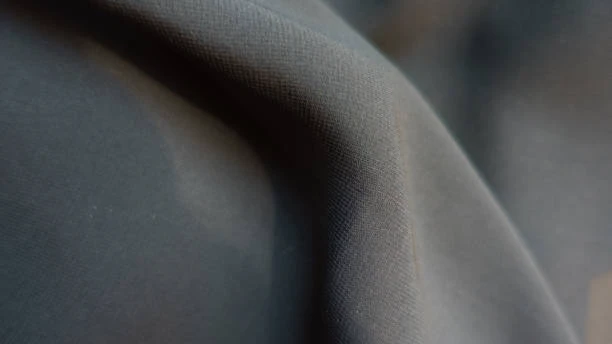
Chiffon is a lightweight, sheer fabric commonly used for layered abayas, adding fluid movement and an elegant finish to occasion wear.
Chiffon is a lightweight woven fabric with a fine texture and a soft, flowing drape. Polyester chiffon is widely used in commercial garment production because of its availability and versatility. For abayas, it is particularly suitable for outer layers, overlays, and occasion wear where a light, flowing appearance is desired.
- Catégorie: Lightweight Woven Fabric
- Key Characteristics: Lightweight Drape & Layering
Analysis:
| Advantages | Considerations |
|---|---|
|
|

Satin Fabric
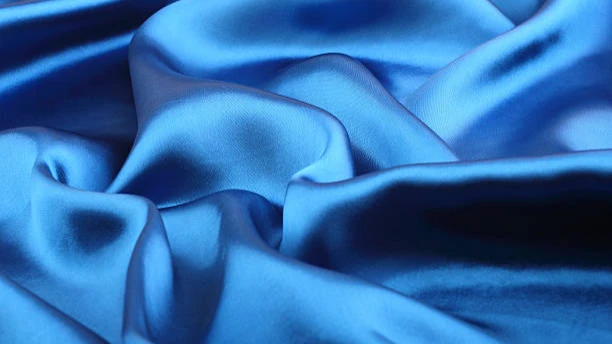
Satin is valued for its smooth surface, lustrous finish, and fluid drape, making it a popular fabric for formal and occasion abayas.
Satin is characterized by its smooth surface and distinctive sheen, with a drape that varies according to its fiber content and construction. It is commonly made from polyester or silk and is used for formal abayas, eveningwear, and occasion collections. Its lustrous finish adds visual depth to simple designs, while its flowing drape works well with styles featuring flared silhouettes, draped sleeves, and bias-cut details.
- Catégorie: Satin-Weave Fabric
- Key Characteristics: Smooth Surface & Lustrous Finish
Analysis:
| Advantages | Considerations |
|---|---|
|
|
Cotton Fabric
Cotton is a popular fabric for everyday abayas, valued for its breathability, softness, and moisture absorption, particularly in warm climates.
Cotton is a natural fiber known for its soft feel, breathability, and ability to absorb moisture. It is commonly used for everyday and summer abayas, especially in warm climates where comfort is a priority. Its suitability for hot and humid conditions depends on the fabric’s weight, weave, and garment design, as these factors influence airflow, moisture retention, and drying time.
- Catégorie: Natural Fiber Fabric
- Key Characteristics: Breathability & Moisture Absorption
Analysis:
| Advantages | Considerations |
|---|---|
|
|
Crepe Fabric
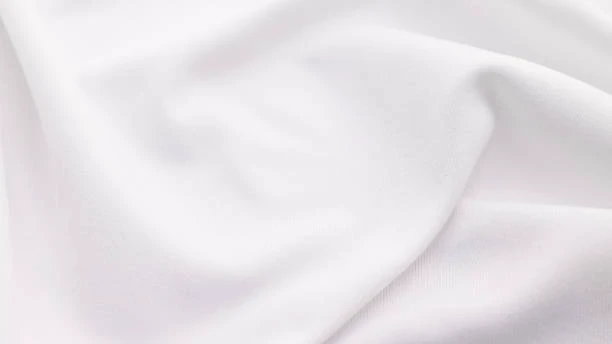
Crepe is a popular fabric for abayas, valued for its textured surface, fluid drape, and practical wearability across everyday and formal styles.
Crepe is a fabric category known for its characteristic surface texture and varied drape. Polyester crepe is commonly used for abayas because it can combine a fluid fall with a relatively structured appearance. Depending on its fiber content and construction, crepe may also offer good wrinkle resistance, making it suitable for everyday wear, workwear, and travel.
- Catégorie: Crepe Fabric
- Key Characteristics: Textured Surface & Fluid Drape
Analysis:
| Advantages | Considerations |
|---|---|
|
|
Linen Blend Fabric
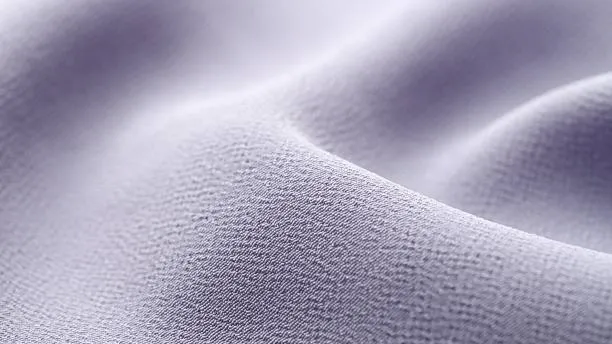
Linen blends combine linen’s natural texture and breathability with the characteristics of other fibers, making them a versatile option for contemporary summer abayas.
Linen blend fabrics combine linen with fibers such as cotton or viscose to create different combinations of texture, softness, and drape. Depending on the fiber content and fabric construction, these blends can offer a softer feel or reduced wrinkling compared with some linen fabrics. Their natural-looking texture and breathable construction make them suitable for contemporary abayas designed for warm-weather wear and resort settings.
- Catégorie: Blended Fabric
- Key Characteristics: Natural Texture & Breathability
Analysis:
| Advantages | Considerations |
|---|---|
|
|
Find the Right Abaya Fabrics for Your Collection
How to Choose Abaya Fabrics Based on Climate and Occasion
Matching Fabric Properties to Different Climates
Climate affects how an abaya feels during wear and which fabric properties buyers should prioritize. When developing collections for different markets, consider the following conditions:
- Hot and humid climates: Prioritize lightweight fabrics with good airflow and moisture management. Check opacity as well, since some lightweight materials may require adjustments to the garment design to provide sufficient coverage.
- Mild climates: Consider lightweight to medium-weight fabrics based on the intended silhouette and typical wearing conditions. The fabric should provide suitable coverage while remaining comfortable for everyday use.
- Cooler climates: Medium-weight or heavier fabrics may provide more coverage and help maintain the desired shape. Buyers should also consider whether customers will wear the abaya over other garments and whether the collection targets a specific season.
Climate alone does not determine the best fabric. Fiber content, weave, fabric construction, and garment design all affect performance. Buyers should compare fabric specifications and samples against the expected wearing conditions before confirming materials for production.
Choosing Abaya Fabrics for Everyday Wear and Formal Collections
The intended use of an abaya affects which fabric properties matter most. Everyday collections generally require practical performance, while formal and festive styles place greater emphasis on appearance and decorative details.
For everyday and workwear abayas, buyers should prioritize:
- Comfort: The fabric should feel comfortable during extended wear.
- Easy care: Resistance to wrinkles and the ability to maintain appearance after washing can reduce garment maintenance.
- Shape retention: The material should support the intended silhouette during regular use.
For formal and festive abayas, buyers should consider how the fabric supports the overall design:
- Surface appearance: Sheen and texture should match the desired style and level of formality.
- Drape and structure: The fabric should create the intended silhouette, whether fluid or more defined.
- Decorative compatibility: The material should work well with embroidery, beads, or other embellishments used in the design.
How to Select Abaya Tissus for Different Market Segments
Fabric Choices for Budget and High-Volume Collections
Budget and high-volume abaya collections require cost control and consistent quality. Buyers should compare economical fabrics and blends based on their price, appearance, care requirements, and suitability for the intended products.
Key factors to consider include:
- Material cost: Account for fabric prices, cutting waste, and additional processing.
- Appearance and care: Check whether the fabric meets design requirements and is easy to maintain.
- Supply consistency: Confirm that suppliers can maintain consistent color, weight, and quality across bulk and repeat orders.
A low fabric price does not always mean lower overall costs. Buyers should confirm specifications, sample quality, minimum order quantities, and supply capacity before placing bulk orders.
Fabric Choices for Premium and Boutique Collections
Premium and boutique abayas often require fabrics with specific textures, drapes, and finishes. Higher-quality Nida, satin, and decorative chiffon may suit different designs, depending on their actual properties.
- Nida: Assess softness, drape, and opacity.
- Satin: Consider sheen, smoothness, and how the fabric complements the silhouette.
- Decorative chiffon: Evaluate texture, transparency, and suitability for layered designs or embellishments.
The final choice should match the target retail price, design complexity, and customer expectations. Compare fabric samples and specifications to determine whether the material justifies its cost and meets the requirements of the finished garment.

What to Check When Sourcing Abaya Fabrics
- Fabric composition and GSM: Confirm fiber content, fabric weight, construction, and available colors. Fabrics sold under the same name may have different properties.
- Opacity and lining requirements: Check whether the fabric provides sufficient coverage or needs lining, which adds cost and affects the garment’s weight and drape.
- Care and durability: Review washing instructions, shrinkage, and wrinkle resistance based on the garment’s intended use.
- Total production cost: Consider fabric prices alongside lining, cutting waste, and additional processing costs.
- Qualité consistency: Ask how the supplier maintains consistent color, texture, weight, and finish across bulk and repeat orders.
- MOQ and lead time: Confirm minimum order quantities, stock availability, production schedules, and capacity for repeat orders.
- Sample availability: Request fabric samples to assess color, opacity, texture, and drape before confirming the order.
- Approved specifications: Document the agreed fabric specifications and confirm that bulk materials will match the approved sample.
Final Thoughts
Abaya fabrics selection depends on the collection’s design, target market, and budget. Before bulk production, confirm fabric specifications, test samples, and check that the material meets your requirements for coverage, drape, and care.
Vêtements de Hangzhou supports fashion brands and wholesale buyers with abaya production. Contact the team to discuss your designs and production requirements.
Frequently Asked Questions
What is the best fabric for everyday abayas?
Nidha and crepe are common choices for everyday abayas because they offer a comfortable feel and a fluid drape. The best option depends on the desired appearance, breathability, wrinkle resistance, and care requirements.
Which abaya fabrics are best for hot climates?
Lightweight, breathable fabrics such as cotton blends and lightweight crepe can suit hot climates. Buyers should also check opacity and drape to ensure the fabric provides sufficient coverage without feeling too heavy.
What GSM is suitable for abaya fabric?
The suitable GSM depends on the fabric type, opacity, drape, and intended design. Lightweight fabrics may work well for flowing abayas in hot climates, while medium-weight options can provide more coverage and structure. Buyers should assess fabric samples rather than rely on GSM alone.
Is Nidha or Crepe better for abayas?
Nidha is often preferred for its soft feel and smooth, flowing drape, while crepe offers a range of textures and finishes with varying levels of structure. The better option depends on the abaya design, target market, and desired fabric properties.
Does chiffon abaya fabric need lining?
Chiffon is often sheer, so lining may be needed to provide sufficient coverage. The decision depends on the fabric’s opacity, the garment design, and whether chiffon is used for the full abaya or as an overlay or decorative panel.
How can wholesale buyers check abaya fabric quality before bulk ordering?
Wholesale buyers should request fabric samples and confirm fiber composition, GSM, color consistency, opacity, drape, shrinkage, and care requirements. They should also agree on written specifications with the supplier and confirm that bulk orders will match the approved sample.





 French
 English
 Portuguese
 Hindi
 Italian
 Japanese
 Korean
 Spanish
 Arabic
 German
 Russian