
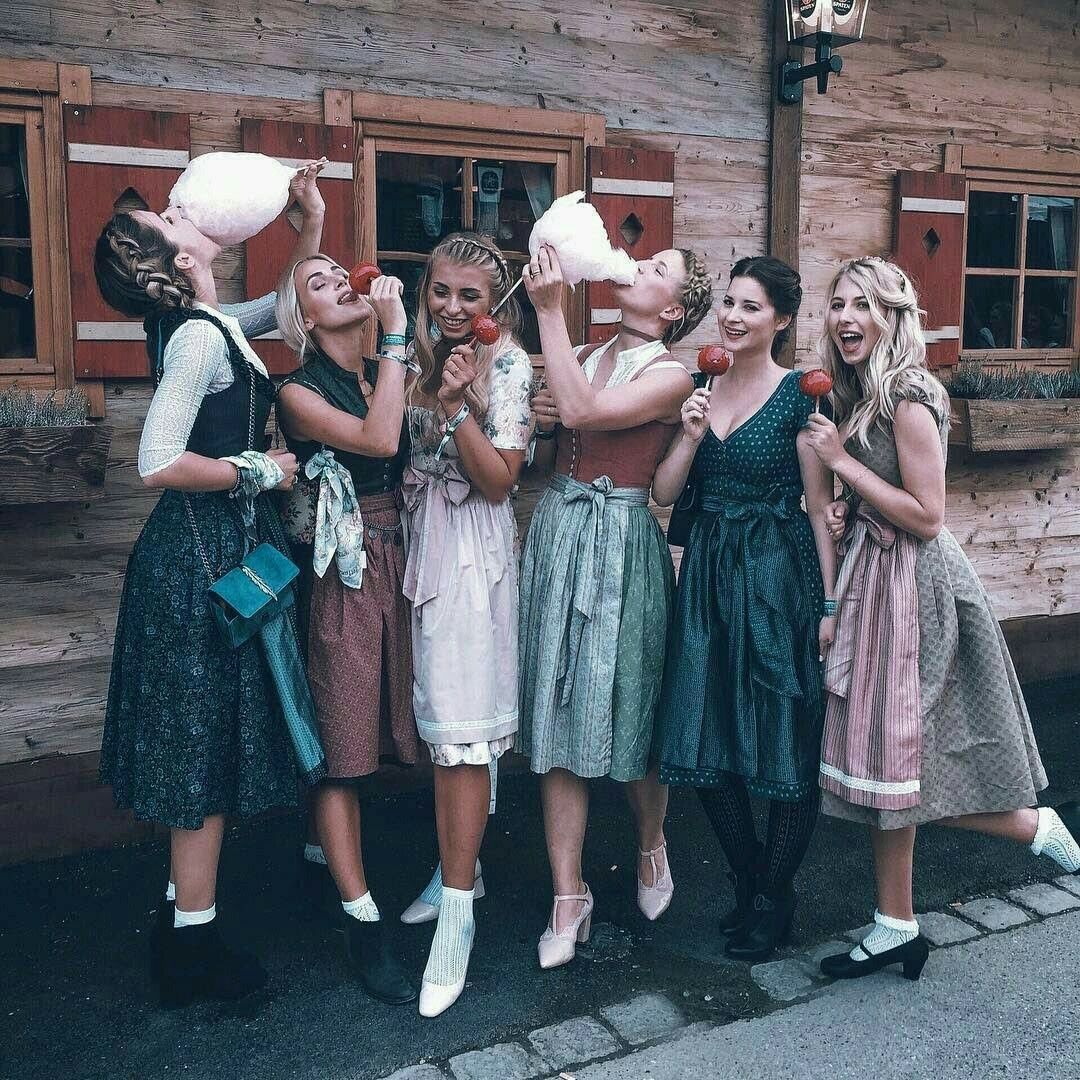
А платье дирндль is one of the most recognizable traditional garments from Bavaria and the Alpine regions. Featuring a fitted bodice, blouse, full skirt, and apron, this iconic traditional Bavarian dress has developed from 19th-century rural clothing into a popular style for Oktoberfest, cultural celebrations, and modern womenswear collections.
In this complete guide, we’ll explore everything you need to know about dirndl dresses, including their history, key components, traditional and modern styles, fabric choices, and design details. Understanding these elements can help fashion brands, designers, and buyers identify the right styles for different markets while appreciating the cultural background behind this timeless garment.
What Is A Dirndl Dress
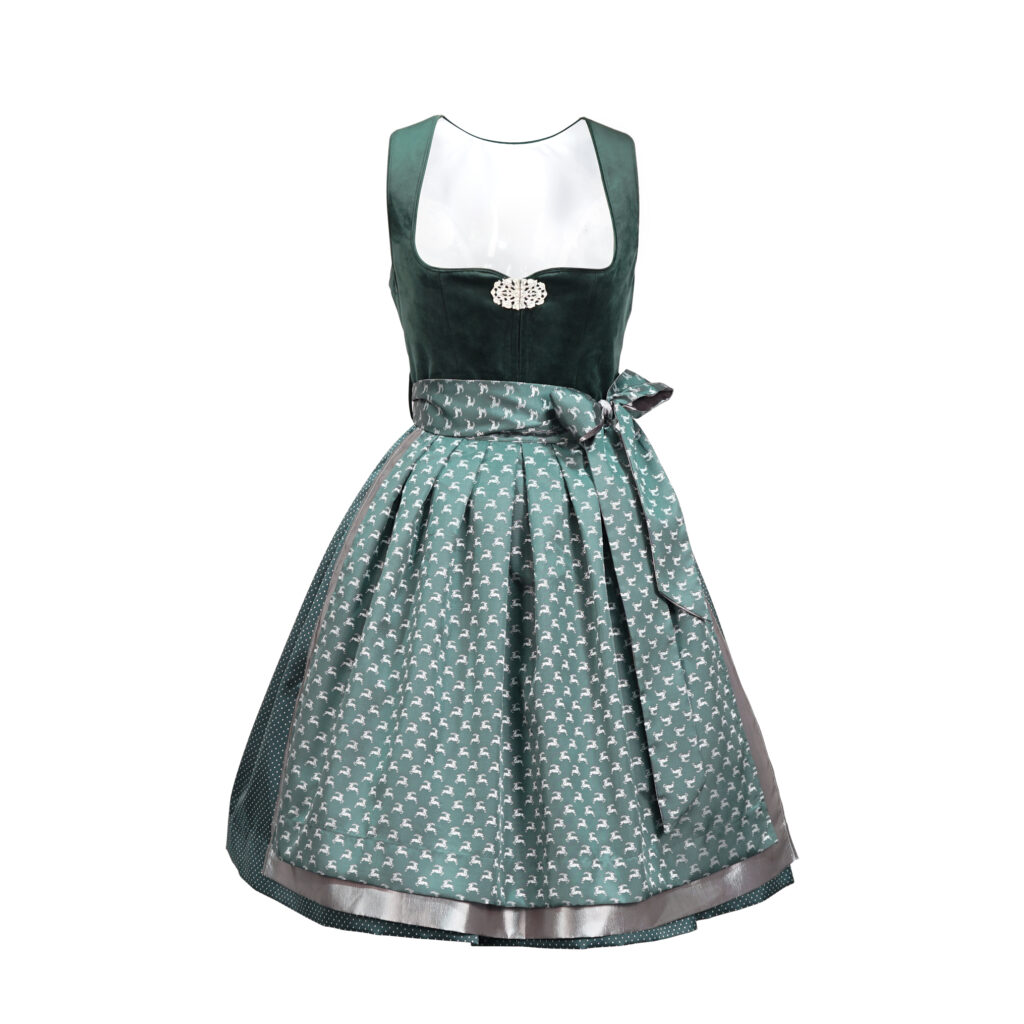
A dirndl is a traditional four-piece Alpine dress. It evolved from 19th-century workwear into a powerful symbol of Bavarian and Austrian culture, especially at festivals.
The Four Key Garments and Its Origin
The dirndl comes from the Alpine regions of Bavaria and Austria. It wasn’t always a festive outfit. In the 19th century, it was the practical, durable work uniform for maids and peasant women. Only later did the upper classes adopt it, using finer materials and turning it into a fashionable garment for leisure and country retreats.
The complete outfit is an ensemble of four distinct pieces. It includes a tight-fitting bodice, a full skirt, a separate decorative apron, and a white blouse worn underneath. Together, these garments create a classic silhouette that is designed to accentuate the waist and bust, a look that has remained consistent for over a century.
A Symbol of Alpine Heritage and Festival Culture
Today, the dirndl is the definitive symbol of Bavarian and Austrian cultural identity. You’ll see it worn with pride at major events like Oktoberfest, as well as at local folk festivals, weddings, and church celebrations. It’s a core component of Tracht, the traditional regional clothing found throughout German-speaking countries.
The dirndl also carries a well-known social code, especially at festivals. The placement of the apron’s bow is a quick way to signal relationship status. A bow tied on the wearer’s left side means she is single, while a bow tied on the right means she is married or otherwise taken.
History And Origins Of Dirndl Dresses
TThe dirndl developed from practical 19th-century workwear into a regional dress associated with Bavarian and Austrian culture, later gaining wider popularity as a fashion and festival garment.
From Alpine Workwear to Cultural Emblem
The dirndl didn’t start as a fashion statement. In the 18th century, it was the durable, practical uniform for maids and peasant women in the Austro-Bavarian Alps. Its recognizable structure developed around a fitted bodice, blouse, full skirt, and apron, creating a practical silhouette suited to everyday work and later becoming associated with Alpine traditional dress.
During the 19th century, this humble work dress was elevated into Tracht, the official term for regional folk costumes. Different styles began to signify a person’s hometown and social standing. By the 1870s, the urban elite visiting Alpine resorts co-opted the look. They commissioned dirndls made from finer materials like silk and lace, transforming it into a fashionable country dress.
Politicization, Decline, and Global Revival
During the 1930s, the dirndl was also used in Nazi-era cultural and gender propaganda, linking traditional dress with an idealized image of rural German womanhood. This political association later became part of the garment’s complex modern history. After World War II, the garment’s popularity plummeted, tainted by its political baggage and overshadowed by international fashion trends.
A major revival took hold around the 1990s. Communities reclaimed the dirndl as a symbol of regional pride, dusting it off for events like Oktoberfest. Today, the dirndl is a global icon. It exists in both strictly traditional forms and modern fashion interpretations, worn at festivals far beyond the Alpine villages where it was born.
Your Partner for Fast, Flexible Womenswear

Main Components Of A Traditional Dirndl
A traditional dirndl is a four-part outfit. The bodice, blouse, skirt, and apron each have a specific function in creating the classic Alpine silhouette.
| Component | Основные характеристики |
|---|---|
|
Dirndl Bodice |
|
|
Dirndl Blouse |
|
|
Dirndl Skirt |
|
|
Dirndl Apron |
|
Traditional Vs Modern Dirndl Styles
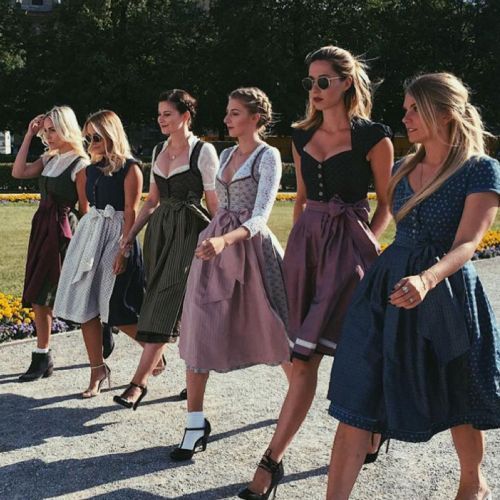
Traditional dirndls focus on heritage with modest cuts and natural fabrics. Modern versions adopt fashion trends, using brighter colors and more variety in length and material.
While both traditional and modern dirndls share the same basic components—bodice, blouse, skirt, and apron—their design philosophy, materials, and intended use create two distinct categories. Knowing the difference is key to choosing the right style for the occasion.
The Traditional Dirndl
The traditional dirndl, is all about honoring heritage. The look is rooted in authenticity and continuity, sticking closely to historical standards rather than chasing fleeting trends.
- The design prioritizes authenticity, modesty, and a direct link to historical Alpine folk costume.
- Skirt length is conservative, always falling between the knee and the ankle. Anything shorter isn’t considered traditional.
- Fabrics are natural and high-quality, like cotton, linen, and wool, typically in muted, earthy colors.
- You’ll see these at regional folk festivals, religious events, and worn by members of official traditional costume associations.
The Modern Dirndl
The modern dirndl is where tradition meets fashion. It keeps the iconic silhouette but plays with contemporary colors, materials, and cuts, making it a popular choice for large festivals and parties.
- Its design is fashion-centered, combining the classic structure with what’s currently trending in the market.
- Skirt lengths show much more variety, from short mini-dirndls to stylish high-low hemlines.
- The material and color playbook is wide open, incorporating synthetics, bright and bold hues, and eye-catching patterns.
- This style is popular at massive events like Oktoberfest, themed parties, and is sometimes worn simply as a fashion statement.
Why Dirndl Dresses Remain Popular Today
Dirndls stay relevant by serving as heritage clothing, festive attire, and an adaptable fashion product, blending deep-rooted tradition with modern style.
A Symbol of Cultural Identity and Festivals
The dirndl isn’t just a dress; it’s a powerful symbol of Bavarian and Austrian Alpine identity. Wearing one is a direct nod to regional heritage, connecting the wearer to a long history that began with the workwear of 19th-century peasant women. This connection is a huge part of its appeal and a primary driver for buyers who want to participate in a living culture, not just wear a costume.
Events like Oktoberfest are the main stage for the dirndl’s popularity. At these massive festivals, the dress functions as a social uniform, signaling participation and cultural awareness. For both locals and tourists, putting on a dirndl is the quickest way to join the celebration and show respect for Bavarian tradition. This event-driven demand creates a reliable, recurring market each year.
Adaptability in Modern Fashion
The dirndl remains relevant because designers continue to reinterpret its traditional silhouette for contemporary fashion. The fashion industry embraced its core silhouette—bodice, blouse, skirt, and apron—and continually reinterprets it. Designers offer a wide spectrum of styles, from authentic Tracht made with traditional linen and wool to modern versions in bright colors, lighter fabrics, and varied skirt lengths.
This flexibility allows for personal expression while keeping the garment’s cultural roots intact. A buyer can choose a modest, ankle-length traditional dirndl or a shorter, more contemporary style with a lace blouse. The market supports this with a broad range of price points, from affordable festival-wear to premium designer pieces. This accessibility ensures the dirndl attracts new generations and a diverse audience well beyond its Alpine origins.
Frequently Asked Questions
What is a dirndl?
A dirndl is a traditional dress associated with the Alpine regions of Bavaria and Austria. It typically includes a fitted bodice, blouse, full skirt, and apron. Traditionally, the apron bow worn on the left indicates that the wearer is single, while the right side is associated with being married or in a relationship.
Why do people wear dirndls?
Dirndls are commonly worn at Oktoberfest, regional festivals, weddings, and other celebrations. For many wearers, the dress reflects an interest in Bavarian and Alpine traditions while also offering room for contemporary styling.
Are dirndls traditional German clothing?
Yes, but they are regional. A dirndl is a traditional folk costume (Tracht) from the Alpine parts of Germany, primarily Bavaria, and Austria. It is not a national costume worn throughout all of Germany. Its use is tied to specific cultural festivals and regional identity rather than everyday life.
Final Thoughts
A dirndl dress is more than traditional clothing; it represents Bavarian heritage, craftsmanship, and a distinctive approach to womenswear design. Whether worn for Oktoberfest, cultural events, or special occasions, understanding its key elements helps buyers and fashion enthusiasts better appreciate this iconic garment.
For brands looking to develop dirndl-inspired clothing, working with an experienced garment manufacturer can help bring designs to life with suitable fabrics, construction, and customization options.
Details such as dirndl dresses styles, bodice design, skirt length, and fabric selection all play an important role in creating the right look and fit.




 Russian
  English
  French
  Portuguese
  Hindi
Hindi  Italian
  Japanese
  Korean
  Spanish
  Arabic
  German