

Selecting the right types of pleats dresses helps designers create the desired silhouette while balancing fabric usage, comfort, and production requirements. Different pleat styles, from box pleats to accordion pleats, can influence the overall look, movement, and manufacturing process of a garment.
This guide explores the most common pleat styles, including knife, box, accordion, sunburst, and crystal pleats. We explain how each design affects a dress’s shape, texture, movement, and fabric requirements.
Why Pleats Matter In Dress Design
Pleats are a foundational technique in dress design used to control fabric, shape a dress’s silhouette, and add graceful movement. They engineer volume without adding bulk at the waist and create visual interest through texture and shadow, blending function with aesthetic style.
Functional Engineering for Fit and Movement
Pleats masterfully control fabric fullness. They allow a designer to introduce significant volume and flare into a skirt while keeping the waist and bodice sleek and fitted. This technique concentrates excess material into ordered folds, making a dress look lean when still but wonderfully expansive in motion.
Pleats also introduce controlled extra fabric, known as ease, right where the body needs it. This allows for comfortable movement like walking, sitting, or dancing in what might otherwise be a restrictive, fitted design. In narrow skirts, a kick pleat at the back or side can make all the difference in wearability.
By providing a structured way to manage excess material, pleats create a clean, tailored finish. When a wide skirt needs to join a narrow waist, pleats offer a more precise and uniform alternative to soft gathers. This results in sharp, clean lines essential for tailored day dresses and formal wear.
Aesthetic Impact on Style and Silhouette
The repetition of folds creates linear patterns that add texture and surface interest to the fabric. These lines guide the eye and manipulate light and shadow, giving depth and dimension to even a solid-colored dress. The sharp edge of a knife pleat catches light differently than the soft curve of an unpressed fold.
Each type of pleat has a unique movement signature that defines how a dress behaves. The sharp, rhythmic flick of knife pleats is different from the soft, billowing waves of sunray pleats. This dynamic quality brings a dress to life, creating a kinetic visual effect that animates the garment as the wearer moves.
Ultimately, pleats help shape the overall appearance of a dress. Vertical pleats can create a longer visual line, while wider pleats can add structure and volume to the silhouette. In contrast, wide box pleats can add structured, almost architectural volume, completely transforming a silhouette from simple to dramatic.
Main Types Of Pleats Explained
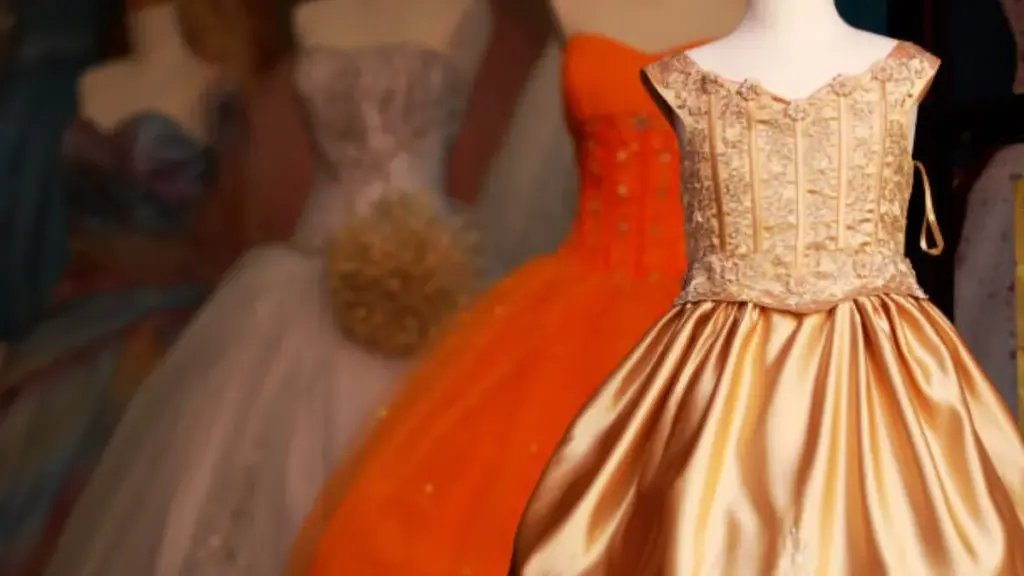
Pleats are structured fabric folds that we use to control volume, add movement, and define the shape of a dress. Each pleat style offers a different look and function, from the sharp lines of knife pleats to the dramatic flare of sunburst pleats. Understanding these types helps you choose the right dress for the silhouette and motion you want.
Knife Pleats
Knife pleats are a series of sharp, narrow folds all pressed in the same direction. This creates a clean, streamlined effect with strong vertical lines that can visually lengthen the body. When you move, the pleats open like a fan for a controlled swing and then fall back into a sleek shape when still, making them a classic choice for tailored dresses.
Box Pleats
Box pleats are made by folding two equal pleats away from each other, creating a symmetrical, rectangular “box” of fabric on the outside. This technique adds structured, architectural volume to a dress skirt. You’ll often find them on fit-and-flare dresses to give the skirt fullness while keeping the waist area looking neat and defined.
Accordion Pleats
Accordion pleats are very narrow, evenly spaced pleats that create a fluid, rippling surface. They are less architectural than box pleats and give the fabric a flexible, spring-like quality that expands and contracts with movement. This effect is perfect for creating lightweight dresses that flow beautifully and have a dynamic, textured appearance.
Inverted Pleats
An inverted pleat is simply a box pleat turned inside out. The extra fabric is hidden on the inside of the dress, leaving a clean seam line on the exterior. This clever design provides hidden fullness that gives you freedom of movement while maintaining a slim, tailored silhouette. It’s an ideal choice for adding walking ease to straight or pencil-style dresses.
Sunburst Pleats
Sunburst pleats are a unique style where the folds radiate outward from a central point, like rays of sun. The pleats start narrow at the waist or hip and become progressively wider toward the hem. This creates a dramatic, fan-like flare and an incredible sense of movement, making it a popular choice for glamorous evening gowns and dance dresses.
Crystal Pleats
Crystal pleats are extremely fine, sharp micro-pleats, even narrower than standard accordion pleats. Their tiny, dense folds create a delicate, shimmering texture that catches light from multiple angles, giving the fabric an almost liquid appearance. We use this technique in high-end evening wear to achieve a sophisticated, body-skimming silhouette that offers fluid movement without bulk.
Reliable Manufacturing for Your Bestselling Collection

How Different Pleats Affect Dress Appearance

Pleats are structured folds in fabric that directly control a dress’s volume, silhouette, and movement. Different pleat styles can make a dress look tailored and sharp or soft and flowing, and they alter the way light reflects off the surface to create unique textures and visual effects.
Core Visual Elements Pleats Influence
Silhouette and Volume: Pleats introduce controlled fullness to a dress. Deep, wide pleats create dramatic volume and a structured A-line or flared silhouette, while smaller, shallower pleats offer more subtle shaping and a gentle drape.
Movement and Flow: The style of pleat dictates how a dress swings and moves. Narrow pleats, like accordion folds, produce a fluid, rhythmic motion. Wider pleats, such as box pleats, create a more structured and architectural swing.
Texture and Light: Pleats add surface interest by creating a pattern of lines, ridges, and shadows. This disrupts a flat fabric surface, changing how light reflects off the dress and giving it a sense of depth and texture.
Perception of Shape: The placement and direction of pleats can alter the perception of the wearer’s figure. Vertical pleats create lines that help elongate the body. When placed at the waist, pleats can define or enhance an A-line shape by releasing fullness toward the hem.
Visual Effects by Specific Pleat Type
Knife and Box Pleats: These pleats produce tailored and structured looks. Knife pleats, with their single-direction folds, offer a clean and streamlined effect that can visually lengthen the body. Box pleats add symmetrical, controlled volume for a more architectural and classic appearance.
- Accordion and Sunray Pleats: These styles are associated with romantic and flowing dresses. Accordion pleats provide a fine, continuous texture with high mobility. Sunray pleats create a dramatic flare, radiating from a narrow waist to a wide, sweeping hem, perfect for high-movement garments
Inverted Pleats: An inverted pleat gives a dress a smooth, tailored exterior. It hides fullness within the fold, which provides ease of movement without adding visual bulk to the silhouette, making it ideal for minimalist designs.
Crystal Pleats: Used for delicacy and sophistication, these tiny, sharp pleats create a shimmering, liquid-like texture on lightweight fabrics. They add surface complexity and a subtle shimmer rather than significant volume, often seen in evening wear.
Manufacturing Considerations For Pleated Dresses
Manufacturing pleated dresses requires careful consideration of fabric selection, pleating techniques, and garment construction. We often select thermoplastic fabrics such as polyester because they respond well to heat-setting processes. Our production process also involves precise pattern engineering to manage fabric consumption and careful assembly to maintain pleat shape and overall garment quality.
Fabric Choice and Heat-Setting Processes
Creating durable, permanent pleats starts with the right material. We rely on thermoplastic fibers, such as polyester, because their structure can be reset with heat. This process locks the folds into the fabric’s memory, ensuring the pleats last through wear and cleaning.
Our pleating process is adjusted according to fabric characteristics and production requirements. Heat and pressure are commonly applied with specialized molds to help create consistent pleat shapes while maintaining the fabric’s appearance and structure.
One of the biggest factors in cost and planning is fabric consumption. Pleated designs usually require additional fabric compared with non-pleated panels, depending on the pleat depth, spacing, and garment structure. We build this allowance into our patterns from the start to ensure accurate costing and production.
Pattern Engineering and Garment Assembly
Our patterns are engineered specifically for pleating. Each pattern includes a precise fabric allowance to accommodate the pleat depth and spacing. We also strategically position seams so they don’t interrupt the flow of the pleats, preserving the dress’s final design integrity.
During assembly, our sewing operators take great care when attaching pleated panels to the main garment. Securing the pleats at the waist is a critical step, as it prevents any stretching or distortion that could ruin the silhouette. This meticulous handling ensures the pleats hang correctly.
Before a dress is finished, it undergoes a rigorous quality check. We inspect each garment to confirm that the pleat lines are straight, the spacing between each fold is consistent, and the hemline is perfectly even. This final check guarantees a high-quality, beautifully finished product.
Final Thoughts
Choosing the right pleat style is an important decision for achieving the desired garment quality and appearance. Proper fabric selection, pleating techniques, and production control help maintain the shape, structure, and durability of pleated dresses throughout the garment production process.
Before moving into bulk production, fashion brands can review samples to evaluate fabric selection, pleat structure, and overall garment finishing. As an experienced wholesale dresses manufacturer, we provide custom dress manufacturing solutions, supporting women’s fashion brands, designers, and buyers from initial style development and sampling to OEM and ODM production.
Для custom pleated dresses, our team works closely with clients to refine designs, select suitable materials, and manage garment production according to specific requirements.
Frequently Asked Questions
Which pleats are most popular?
While popularity can shift, knife pleats and accordion pleats are consistently favored. Knife pleats are common for their clean, directional lines in skirts and dresses, offering a structured, tailored look. Accordion pleats are often chosen for lighter fabrics to create a more fluid, textured appearance with continuous movement. Both add shape, but knife pleats are ideal for structure while accordion pleats excel at creating flow.
What is a knife pleat?
A knife pleat is a classic fold where we press fabric to create a series of sharp, narrow creases that all face the same direction. This technique adds controlled volume and dynamic movement to a garment, especially in dress skirts, while maintaining a clean, linear look. The uniform direction of the folds produces a streamlined effect that is both structured and fluid when in motion.
Which pleats look slimming?
Pleats that create strong vertical lines, such as knife pleats, are generally the most slimming. The parallel folds draw the eye downward, which helps elongate the figure. Fine accordion pleats can also have a slimming effect by creating a fluid, column-like shape. This effect is maximized when pleats are stitched down from the waist to the hip, creating a smooth silhouette that skims the body without adding bulk at the midsection.


 Russian
  English
  French
  Portuguese
  Hindi
Hindi  Italian
  Japanese
  Korean
  Spanish
  Arabic
  German