
Effective швейная фабрика quality control is the main defense between your brand and nonconforming shipments that trigger chargebacks and erode margins. Trusting a supplier’s claims without verification leads to orders with incorrect sizing, poor stitching, and fabric defects—costly issues that directly damage customer loyalty and your bottom line.
This guide provides a systematic approach to vetting a supplier’s real-world capabilities. We break down the four critical validation steps: reviewing quality manuals and ISO 9001 certifications, auditing the production line, analyzing sample garments for measurement accuracy, and verifying their defect classification system. Following this process helps you identify red flags before they become production failures.
The Importance of Factory Quality Control (QC)

Factory QC is the system for inspecting garments to meet specifications. It’s not optional—it directly protects your costs, delivery schedule, and brand reputation.
The Role of QC in Garment Production
In garment production, Контроль качества is the hands-on process of inspecting and testing products to make sure they meet defined standards. It’s a product-focused, reactive function. QC teams find defects and deviations during or after production, which then triggers corrections. This is different from Quality Assurance (QA), which is proactive and focuses on designing the processes to prevent defects in the first place. A solid QC function covers everything from inspecting incoming fabric and trims to running in-line checks on the sewing floor and giving the final sign-off before garments are packed.
Impact of QC on Costs and Customer Satisfaction
Effective QC has a direct and measurable impact on the bottom line. Finding problems early, like fabric shade variations or incorrect stitching, is far cheaper than dealing with them after an entire order is finished. It prevents financial hits that come from nonconforming shipments.
- Reduced Waste: Early defect detection cuts down on scrapped materials and rework time.
- Avoided Penalties: Good QC prevents chargebacks, forced discounts, and outright rejection of orders by buyers.
- Improved Productivity: Stable quality means fewer line stoppages for repairs, which boosts factory efficiency and helps meet delivery deadlines.
From the customer’s perspective, QC is what ensures consistency. Garments with accurate sizing, durable construction, and the correct appearance lead to satisfied customers and repeat business. When QC fails, the brand suffers from high return rates, negative online reviews, and long-term damage to its reputation. Buyers will quickly drop suppliers that consistently fail to deliver on quality.
Key Stages of a Clothing Factory’s Quality Control Process

A factory’s QC process isn’t a single event. It’s a series of checkpoints from raw materials to final container loading to catch issues before they become expensive problems.
Pre-Production Inspection (PPI)
This is the first gate. Before any fabric is cut, this inspection confirms the factory is set up for success and prevents systemic errors from the start.
- It verifies that all raw materials, like fabrics and trims, meet the approved specifications before production kicks off.
- It confirms patterns, pre-production samples, and tech packs are correct to avoid widespread mistakes once cutting begins.
- It assesses the factory’s readiness and machinery setup, making sure they can actually meet the required quality standards for the bulk order.
During Production Inspection (DPI/DUPRO)
DPI, or an inline inspection, is about catching problems as they happen on the sewing floor, not after thousands of units have already been made incorrectly.
- It happens when a portion of the order is already complete, allowing for early detection of issues in cutting, sewing, and assembly.
- Inspectors look for workmanship defects like open seams, loose threads, and incorrect stitch density while production is live.
- This lets the factory take immediate corrective action on the line, preventing the entire batch from having the same flaw.
Pre-Shipment Inspection (PSI)
This is the final checkpoint to determine if the finished product is good enough to leave the factory. It’s the last line of defense before the goods are paid for and shipped.
- A final check is performed on a random sample of finished and packed garments to see if the order meets the buyer’s quality standards.
- It uses the AQL (Acceptable Quality Limit) standard to formally assess workmanship, measurements, functionality, labeling, and packaging.
- This is the last opportunity to catch quality issues and make a final call on whether to accept or reject the shipment.
Container Loading Check (CLC)
Even after the goods pass inspection, mistakes can happen during loading. This check ensures what you ordered is what actually gets loaded into the container, safely and correctly.
- It supervises the loading process to ensure the correct quantity of cartons is loaded securely into the shipping container.
- It verifies that cartons are correctly labeled, undamaged, and match the packing list to prevent mix-ups or shortages.
- It confirms the container is clean, dry, and sealed properly after loading to protect the garments during transit.
Scale Your Brand with Flexible Manufacturing

How to Vet a Factory’s QC System: A Step-by-Step Guide
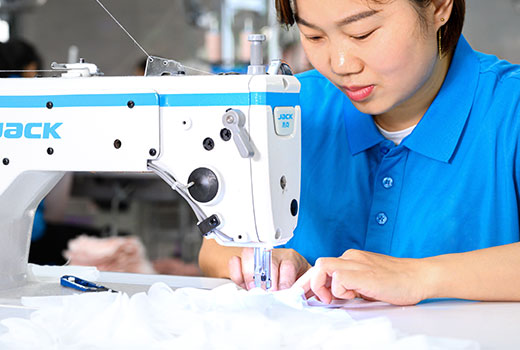
Vetting a factory isn’t just about looking at samples. It requires checking their documents, auditing the production floor, and testing their systems to see if they actually work.
You can’t just trust a factory’s word on quality. A solid quality control (QC) system has multiple layers, and you need to inspect each one to avoid costly surprises down the line. This process breaks down into four practical steps: checking their paperwork, seeing their operation in person, analyzing their actual products, and understanding how they classify mistakes.
| Step | Key Actions |
|---|---|
| Step 1: Documentation Review | Request and verify their Quality Manual, ISO 9001, and WRAP certifications. Confirm the documents are valid and apply to the correct facility. |
| Step 2: Factory Audit | Walk the production line, interview QC staff to check their authority, and review equipment maintenance and calibration logs. |
| Step 3: Sample Garment Analysis | Inspect bulk production samples for fabric defects, poor stitching, color inconsistency, and out-of-tolerance measurements. |
| Step 4: Defect System Inquiry | Ask for their defect classification guide. Understand how they define and handle critical, major, and minor defects. |
Step 1: Request and Review Quality Manuals and Certifications
Start with the paperwork, but don’t just take it at face value. Certifications are a screening tool, not a guarantee. They tell you if a factory has a documented system, but you still need to verify it’s being used.
- ISO 9001: This certification suggests they have a structured Quality Management System (QMS). Check that the certificate is valid, the scope covers garment manufacturing, and the certifying body is legitimate. An ISO cert shows they have procedures for things like documentation control and corrective actions.
- WRAP (Worldwide Responsible Accredited Production): While focused on social compliance, WRAP is a good sign for quality. Factories with stable, ethically managed workforces tend to have more consistent output. It shows a level of management discipline that usually extends to production processes.
- Other relevant certifications: Depending on your product, ask for documents like OEKO-TEX (for harmful substances) or any approvals from major global brands. These act as third-party validation that the factory can meet established standards.
Step 2: Conduct a Factory Audit (On-site or Virtual)
This is where you see if the systems on paper match reality. Whether you go in person or do it virtually, the goal is to observe their process in action. Look for evidence, not just talk.
- Assessing the Production Line: Check for logical material flow, from fabric storage to packing. Are rejected materials clearly separated? Are there inline QC stations, or is inspection only done at the end? A messy floor with rework piled high is a massive red flag.
- Interviewing QC Staff: This is a crucial bullshit detector. Ask the QC manager who they report to. If the answer is the production manager, their authority is compromised. Ask inspectors how they are trained and to give examples of recent quality issues they stopped. See if they can explain their AQL and defect classification from memory.
- Checking Equipment Calibration and Maintenance Logs: Consistent quality is impossible with poorly maintained machines. Ask to see logs for needle detectors, heat presses, and even simple measuring tapes. No logs, or logs with dust on them, means there’s no real maintenance program.
Step 3: Analyze Sample Garments for Quality Defects
The final product tells the truth. Get your hands on random samples from a recent bulk production run, not just the perfect “golden sample” they want you to see. Measure them against the approved tech pack.
- Fabric and Material Inspection: Look for obvious fabric flaws like holes, slubs, or streaks. Check for shade variation between different panels of the same garment—a common sign of poor fabric batch control.
- Stitching and Seam Quality: Check for skipped stitches, open seams, and excessive thread. Pull on major seams like armholes and side seams to test their strength. Poor stitching is a direct indicator of weak process control on the sewing line.
- Colorfastness and Print Durability: Do a simple rub test with a damp cloth to check for color transfer. Gently stretch any printed graphics to see if they crack or peel. These basic checks can expose problems before you commit to a large order.
- Sizing and Measurement Accuracy: This is non-negotiable. Measure multiple garments across different sizes against the spec sheet. If measurements are consistently out of tolerance, it signals deep problems with their pattern-making, shrinkage tests, or cutting accuracy.
Step 4: Inquire About Their Defect Classification System
A professional factory doesn’t just find defects; it classifies them. This ensures everyone—from the inspector to the buyer—is using the same rulebook. If a factory can’t produce a clear defect classification guide, they lack a fundamental QC pillar.
- Critical Defects: These are deal-breakers that pose a safety or legal risk. Think broken needles left in a garment or incorrect fiber content on a care label. One critical defect is enough to reject an entire shipment.
- Major Defects: These are failures that a customer would definitely notice and likely return the garment for. Examples include a large, visible stain, an open seam, or a measurement that’s way off spec.
- Minor Defects: These are small issues that don’t affect the garment’s function and likely won’t be noticed by the average consumer, like a few untrimmed threads or slight puckering in a hidden seam.
Ask how their AQL (Acceptable Quality Limit) system uses these classifications to make pass/fail decisions. A factory that can articulate this clearly is one that takes its quality process seriously.
Common Quality Control Red Flags to Watch For
Red flags are symptoms of systemic problems that lead to delays and defects. Spotting them early separates a reliable partner from a future liability.
When you’re vetting a garment factory, you need a finely tuned bullshit detector. Some problems are obvious, but the most expensive ones are hidden in the factory’s processes and day-to-day habits. These are the signs that a supplier’s quality control is either weak or just for show.
Product and Workmanship Red Flags
These are the problems you can physically see and touch. They point to a lack of discipline on the production line and a failure to follow specifications. If you see these issues in samples or a factory tour, expect them to be worse in bulk production.
- Incomplete or ambiguous tech packs that lead to guesswork on the production line.
- Skipping bulk fabric inspection for defects, color consistency, and shrinkage before cutting.
- Inconsistent workmanship, such as uneven stitching, misaligned patterns, or incorrect garment measurements.
- Frequent and visible fabric defects like holes, slubs, or streaks that are ignored during production.
Process and Systemic Red Flags
These are deeper issues related to management and systems. A factory can fix a bad seam, but it’s much harder to fix a broken process. These red flags signal that the factory lacks the fundamental structure to produce quality goods consistently.
- Absence of inline inspections, with quality checks only happening at the final stage.
- No documented quality management system (like AQL standards) or root-cause analysis for recurring problems.
- Visible disorganization on the factory floor, including large and persistent rework piles.
- Evasive communication about quality issues or resistance to third-party inspections.
Leveraging Third-Party Inspection Services
Third-party inspections offer an objective quality gate, catching defects before shipment to protect your brand, reduce returns, and ensure products meet market standards.
The Strategic Role of Independent Verification
- Provides an unbiased assessment to catch defects before shipment, reducing costly returns and rework.
- Acts as an objective quality gate, protecting brand reputation and customer satisfaction.
- Identifies systemic production issues, offering data for long-term factory process improvements.
- Ensures products meet regulatory and market-specific requirements for labeling and safety.
Practical Steps for Partner Selection and Integration
- Choose partners with proven apparel expertise, proper accreditation, and a strong code of integrity.
- Provide clear tech packs, approved samples, and AQL standards to ensure consistent evaluations.
- Use a risk-based approach, scheduling more frequent inspections for new suppliers or complex products.
- Share inspection reports with factory teams to drive corrective actions and foster collaboration.
Final Thoughts
Trusting a factory’s promises on quality is a direct path to financial loss. The vetting framework outlined here is not just a suggestion; it is the essential defense for your brand’s reputation and your bottom line. Proper QC execution separates profitable brands from those dealing with constant returns and defective inventory.
Don’t guess on your supplier’s capabilities—get objective proof. Use a third-party inspection to verify your factory’s real performance before a minor defect becomes a major liability. Contact our team to deploy a professional quality audit and secure your production standards.




 Russian
  English
  French
  Portuguese
  Hindi
Hindi  Italian
  Japanese
  Korean
  Spanish
  Arabic
  German