
Effective private label abaya customization is the only strategic escape from the low-margin trap of the generic wholesale market. Without exclusive control over your designs, your brand is forced into a price war against identical products, making it impossible to build a defensible business.
This guide outlines the key production decisions that directly affect product value and brand positioning. We cover four core customization areas and explain how to handle production requirements such as minimum order quantity (MOQ). The minimum order quantity for each style is typically between 50 and 300 pieces.
Why Private Label Abayas Are Growing In Demand
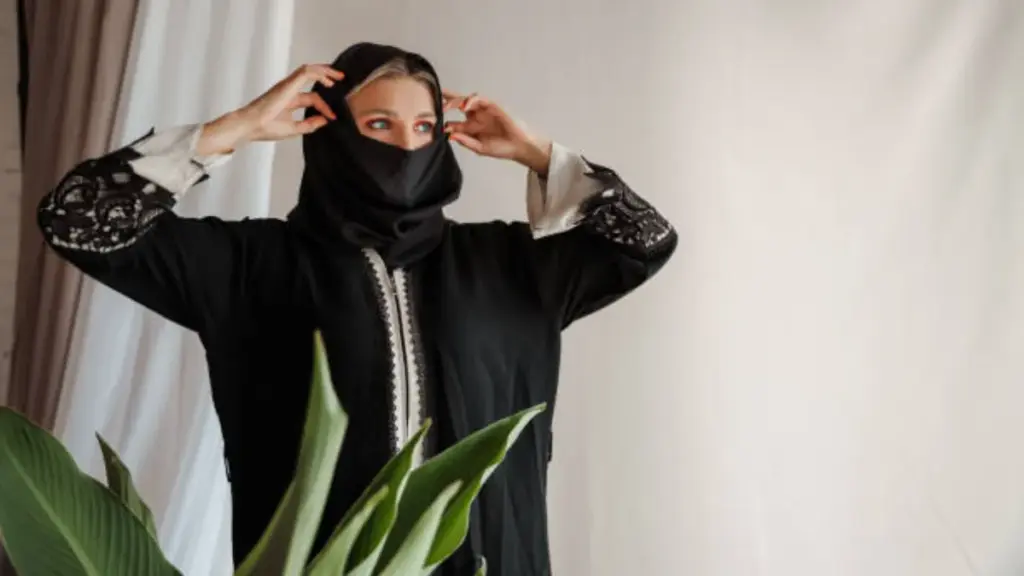
Demand is rising because consumers want unique, high-quality garments, and brands need to escape the sea of generic products to build a real identity online.
Demand for Personalization and Premium Quality
The modern abaya customer expects more than a one-size-fits-all black garment. There’s a clear trend toward premiumization, with a growing appetite for higher-quality fabrics, better craftsmanship, and superior comfort. Customers are actively seeking out unique materials and cuts that generic wholesale catalogs simply don’t offer.
This demand extends to fit and function. With more women in the workforce and a diversity of lifestyles, customers need abayas tailored for specific uses—from professional workwear to travel-friendly options. Private label is the direct answer, enabling brands to offer custom sizing like petite or plus-size, and designs that align with a customer’s personal life and aesthetic.
The Strategic Need for Brand Differentiation
As the modest fashion market grows, it gets more crowded. Online stores and social media feeds are saturated with retailers selling similar-looking abayas from the same few wholesalers. This creates intense price competition and makes it impossible to build brand loyalty. Customers can just find the same product cheaper elsewhere.
Private label is the strategic escape from this race to the bottom. It allows a brand to take control of its product line, offering exclusive designs, cuts, and fabrics that can’t be found anywhere else. For retailers, influencers, and new entrepreneurs, creating a signature collection is no longer a luxury. It’s the core method for building a memorable brand, justifying premium pricing, and cultivating a loyal following.
Main Abaya Customization Options
Private label abaya customization centers on four areas: branding, embellishment, fabric, and packaging. These choices directly control your brand identity, product value, and customer experience.
When you move from generic wholesale to a private label model, you get control over the details that make an abaya yours. These aren’t just cosmetic changes; they’re strategic decisions that position your brand in the market. Here’s a no-nonsense breakdown of the main customization levers available.
| Customization Area | Key Decisions & Business Impact |
|---|---|
Logo Labels And Woven Tags |
This is about claiming the product as your own. You decide on the type, material, and placement of your brand’s identity markers.
|
Embroidery And Printing Options |
Embellishments separate your everyday collection from your premium, occasion-wear pieces. This is where you inject your brand’s unique design aesthetic.
|
Fabric And Color Selection |
Your choice of fabric and color is the single biggest factor influencing the final product’s price, feel, drape, and target occasion.
|
Packaging Customization |
The customer experience doesn’t end with the garment. For e-commerce brands, packaging is the first physical interaction a customer has with your brand.
|
Fast, Reliable Manufacturing for Your Brand

Understanding MOQ And Production Requirements
Private label abaya MOQs range from 50 to 300 pieces per style. Success depends on balancing this quantity with clear production requirements like tech packs and sampling.
Decoding Minimum Order Quantities (MOQ)
Minimum Order Quantity, or MOQ, is the smallest number of abayas a manufacturer will make for you in a single production run. This isn’t just a random number; it’s tied to the factory’s costs for fabric, setup, and labor. For private label abayas, this is usually defined per style and per color.
Most manufacturers catering to startups and boutique brands offer low MOQs to help you test the market without sinking a lot of capital into inventory. You’ll typically see two tiers:
- Entry-Level MOQ: Around 50 pieces per style, per color. This is ideal for testing a new concept or launching a small capsule collection.
- Standard Startup MOQ: Between 100 and 300 pieces per design. This range gives you a better price per unit and enough stock for a proper launch, often across 2-3 colors and a full size run (S-XXL).
For a first collection, a smart approach is to start with 2-3 unique abaya designs in 2-3 colors each. Aiming for an initial order of 100-200 pieces per design lets you validate what sells before committing to larger volumes. This strategy minimizes your financial risk and gives you real sales data to guide future production.
Navigating Key Production Requirements
Getting your abayas made involves more than just hitting an MOQ. You need to provide the factory with a clear blueprint. This is where a technical package, or “tech pack,” comes in. It’s the single most important document you’ll create, as it communicates every detail of your design to the production team.
A complete tech pack for an abaya must include:
- Measurements and Size Chart: Detailed specs for a base size (like Medium) and the grading rules to create all other sizes.
- Design Details: Sketches of the silhouette (open, closed, A-line), sleeve type, neckline, and placement of any pockets or closures.
- Fabric and Trim Specs: The exact fabric (like Nida, chiffon, or crepe), its weight, and details on any embroidery, lace, buttons, or zippers.
- Branding Information: Placement and artwork for your main neck label, care instructions, and any hang tags.
Once the factory has your tech pack, the sampling process begins. This is a critical validation step. First, they create a prototype sample to check the fit and fabric. After you provide feedback, they produce a final pre-production sample (PPS). You must approve this PPS before any bulk production starts. The entire pre-production phase, from locking in the design to approving the PPS, usually takes 3-4 weeks.
After you approve the sample, bulk production takes another 3 to 6 weeks, depending on the complexity and quantity. During this time, a good factory runs quality control (QC) checks. For abayas, this includes modesty-specific details like ensuring the fabric isn’t sheer under light, sleeve and hem lengths are consistent, and all seams are comfortable and secure.
How To Choose The Right Manufacturing Partner
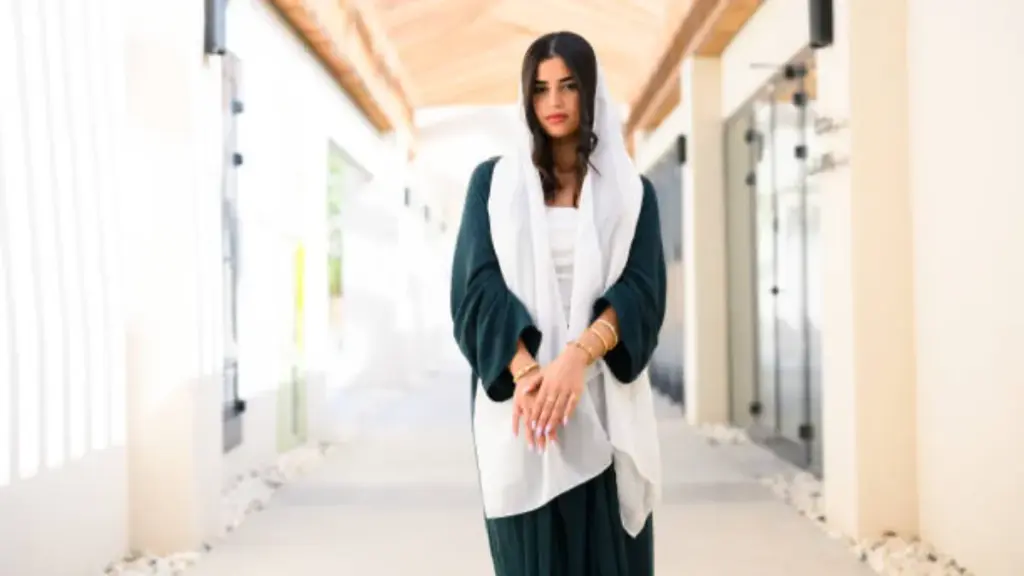
A good partner needs proven abaya expertise, transparent costs, and a production capacity that matches your brand’s growth, from launch to scaling.
Evaluate Product Expertise and Quality Systems
Choosing a manufacturer isn’t just about price. It’s about finding a partner that actually understands the specific demands of modest wear. A generic apparel factory might make great t-shirts, but they can easily fail on the nuances of an abaya, like fabric opacity, drape, and culturally appropriate cuts. You need a specialist whose portfolio is full of abayas, khimars, and hijabs, not just general fashion.
The real test is the sample process. Before committing to any bulk order, you must get physical samples in your hands. A professional factory will follow a clear sequence: a development sample to interpret your design, a fit sample to adjust measurements, and a pre-production (PP) sample that serves as the final, approved standard. When you get that sample, scrutinize it.
- Fabric Quality: Check the hand-feel, weight, and drape. Most important, hold it up to a light to test its opacity. A good abaya isn’t see-through.
- Stitching and Construction: Look for neat seams, strong stitches, and clean hem finishes. Puckering along the seams is a sign of low-quality work.
- Design Accuracy: Compare it directly to your tech pack. Are the measurements correct? Is the cut right? Are the trims and branding elements placed exactly where you specified?
- Branding: Inspect your private labels. Are they stitched in securely and straight? Is the color and logo sharp? This represents your brand, so it has to be perfect.
Assess Capacity, Cost, and Brand Alignment
A partner’s production capabilities must align with your business plan. Ask them directly about their monthly abaya output. Can they handle your initial small test order of 50-100 pieces per style, and can they also scale up to produce thousands when your best-sellers take off? This scalability is essential for handling seasonal demand spikes around Ramadan and Eid without missing deadlines.
Cost transparency is non-negotiable. A trustworthy factory will provide a clear, itemized cost breakdown. If a potential partner is hesitant to detail the costs for fabric, trims, labor, and branding, it’s a major red flag. You need to see all the components to understand your final unit cost and protect your margins. Their Minimum Order Quantity (MOQ) structure must also fit your budget and risk tolerance. A factory offering low MOQs of 50-100 pieces per style is ideal for testing new designs.
Finally, assess the overall fit. Communication is key. You should have a dedicated point of contact who understands your brand’s aesthetic and responds clearly. Their location also plays a role in alignment. A manufacturer in the UAE will have an innate understanding of Gulf market tastes, while a partner in Asia might offer cost advantages but require more detailed guidance on cultural specifics. The right partner isn’t just a supplier; they’re an extension of your team who can help you execute your vision effectively.
Final Thoughts
Relying on generic wholesale is a race to the bottom where your brand is indistinguishable and your margins disappear. Building a private label collection is the only way to take control of your product, justify a premium price, and create an identity that customers can’t find anywhere else. Your success depends on owning your design from the fabric up.
The difference between the concept and the sellable series lies in the execution. Quality needs to be verified personally and the brand reputation must not be compromised. Contact our team to discuss your technical package and obtain production samples.
Frequently Asked Questions
Can I add custom labels?
You can add custom labels to private label abayas, and this is a standard, widely available service across specialized abaya manufacturers and wholesalers.
Can I customize packaging?
You can customize packaging extensively in private label abaya customization, including boxes, mailers, polybags, tissue paper, stickers, tags, and full unboxing sets.
What MOQ is required?
Private label abaya customization typically requires a minimum order quantity (MOQ) of 30–300 pieces per style, with most specialized abaya factories positioning themselves in the 30–100 pieces per style range for startup and boutique private-label brands.




 English
  French
  Portuguese
  Hindi
Hindi  Italian
  Japanese
  Korean
  Spanish
  Arabic
  German
  Russian