
MOQ clothing manufacturing is the financial gatekeeper that determines if a new brand scales or fails from inventory overspend. Misjudging a factory’s minimums ties up capital in a single order, creating a cash flow crisis that makes growth impossible and increases financial risk on an unproven product.
This analysis defines the production economics behind a factory’s quote. We examine MOQs for different garments—from 800-piece t-shirt runs driven by dye lots to 300-piece jacket orders dictated by hardware minimums—giving you the data needed to build a viable plan.
What Does MOQ Mean In Apparel Production

MOQ is a factory’s minimum garment order, set to cover fixed costs and match the fabric mill’s own minimums for a viable, efficient production run.
The Core Definition: Units Per Order, Style, and Color
MOQ stands for Minimum Order Quantity. It’s the smallest number of garments a factory will produce for a single order. This minimum isn’t always a single number. It can be set at different levels: a minimum for the total order, a separate minimum for each specific design, and another for each colorway of that style. Factories use this to ensure a production run is large enough to be financially viable before they start up the machines.
Behind the Minimum: Production Economics
MOQs aren’t arbitrary numbers. They are based on the real economics of production. Every run has costs that must be covered for a factory to stay in business. The minimums exist for a few key reasons.
- Covering Fixed Costs: A factory has fixed costs for every job, including pattern making, machine setup, and labor. These costs are the same for small or large runs, so the MOQ ensures the order is large enough to absorb them.
- Fabric Mill Minimums: The apparel factory’s MOQ is driven by its fabric supplier. If a factory orders fabric below the mill’s minimum, the quality suffers with issues like inconsistent color. The MOQ protects against this.
- Production Efficiency: They reduce downtime and the time spent changing over machines and workers between different styles, which makes the entire operation more productive.
Why Manufacturers Require MOQ
Manufacturers require MOQs to cover fabric supplier minimums, absorb fixed production costs, and keep sewing lines efficient. It’s about production economics, not arbitrary rules.
Fabric Supplier Requirements
The minimum order quantity a garment factory sets is often a direct reflection of the minimums from its own suppliers. Fabric mills and dye houses are the real drivers. Mills might require 500 to 3,000 yards per color, and dye houses often need around 800 to 1,000 meters to run a single dye bath efficiently. A garment factory has to order enough units from a brand to consume this amount of fabric.
Ignoring these minimums is a direct risk to quality. Running a dye lot below the professional threshold (typically around 10 rolls or 200 kg) introduces serious inconsistencies. You can expect problems like:
- Uneven color and shade variation between garments.
- Poor fabric finishing and inconsistent hand-feel.
- Unpredictable shrinkage and dimensional stability issues.
Because brands demand consistent products, factories protect themselves and their clients by setting garment MOQs that are high enough to meet these upstream fabric minimums. Using stock fabric can sometimes lower the MOQ, but it brings its own risks of poor quality and makes reordering the exact same product nearly impossible.
Production Cost Considerations
Every production run has significant fixed costs, regardless of whether a factory produces 50 or 5,000 garments. These are real expenses incurred for each style and colorway. MOQs exist to ensure the order is large enough to absorb these costs and remain profitable.
The main fixed costs include:
- Pattern making, grading, and sample development.
- Marker making for the cutting process.
- Machine setup and balancing the sewing line for a specific style.
- Administrative and quality control overhead.
When you order a large quantity, these costs are spread thin across many units, which brings the per-piece price down. On a small order, the same costs are spread over few units, making each garment disproportionately expensive. A factory sets its MOQ at the point where it can cover these expenses and achieve a viable profit margin. Anything less is often a loss-making proposition.
Factory Efficiency Needs
Factories are built for flow and rhythm. Small, fragmented orders are the enemy of efficiency. Each time a new style or color is introduced, the production line has to stop. Machines are reconfigured, threads are changed, and operators are re-briefed. This changeover time is non-productive downtime, and MOQs are set to minimize how often it happens.
Once a line is running, operators gain speed and proficiency on a specific style. A very small order gets finished before the line can stabilize at its optimal speed, which hurts the factory’s overall throughput and can even increase error rates. Adequate MOQs ensure a production run is long enough for operators to hit their stride and for the factory to meet its daily output targets.
This need for efficiency extends beyond just the sewing floor. The cutting room works best with large fabric lays to reduce waste. Trim suppliers for zippers, buttons, and labels have their own MOQs. A garment factory’s MOQ is the number needed to orchestrate all these moving parts into a smooth, predictable, and profitable process.
Fast, Flexible Manufacturing for Your Brand

Typical MOQ Examples For Different Clothing Types
MOQ isn’t one-size-fits-all. Simple knits need volume for efficiency, while complex outerwear is driven by minimums on technical fabrics and hardware.
MOQs for Knitted Staples: T-Shirts, Hoodies, and Activewear
Knitted garments are the bread and butter of many brands, but their MOQs are set by different economic drivers. Simple items need volume to be profitable, while performance gear has its own material constraints.
For basic t-shirts, MOQs are often surprisingly high. Large-scale knitwear factories in places like Vietnam or Bangladesh look for 800–2,000 pieces per color. This is because single-jersey fabric is produced in massive dye batches, and the sewing lines are so fast that anything less than a big run is inefficient. Smaller factories in China might quote 500–1,000 pieces. You only see numbers like 50–200 pieces from small domestic or micro-factories that use stock fabric and charge a much higher unit price.
Hoodies and sweatshirts can sometimes have more flexible MOQs than tees. Their higher price point gives factories more margin to work with. It’s common to find suppliers offering runs of 100–300 pieces. But this comes with a catch. If you want custom-dyed fleece, or unique zippers and drawcords, the MOQs from the fabric mill and trim suppliers will push the garment minimum right back up, often closer to 300-500 pieces to be realistic. Large-scale fleece producers still prefer 1,000–2,000 pieces per color.
Activewear like leggings and sports bras is a different story. The minimums are dictated by the specialized stretch fabrics. Performance knit factories in Asia often set MOQs at 800–1,500 pieces per color. This ensures they can get a consistent, quality-controlled run of the nylon/spandex blend from the mill. If a brand is willing to use a factory’s stock fabric, it’s possible to find low-MOQ specialists who will do 50–200 pieces, but you lose control over the exact material specs and repeatability.
MOQs for Woven and Complex Garments: Bottoms, Outerwear, and Fashion Tops
When you move into woven fabrics and more complex construction, the MOQ game changes. It’s less about sewing line speed and more about the minimums of specialized materials, hardware, and washing processes.
For woven bottoms like pants and shorts, a standard factory will look for 300–1,000 pieces per style and color. More flexible factories in regions like Turkey or Portugal might work with 150–300 pieces. Denim is in its own league. Because denim mills produce fabric in huge quantities and special washes are done in large batches, factory MOQs for jeans are typically 500 to over 2,500 pieces per wash. Getting a small run of 50-200 pairs is only possible if you use stock denim, and your unit cost will jump significantly.
Outerwear is all about the components. Technical jackets and coats involve multiple layers, waterproofing, seam sealing, and lots of hardware. The fabric mills for these technical shells have strict minimums. On top of that, a custom zipper or snap supplier might require you to order 1,000 to 5,000 units of each specific trim. These component MOQs are the real driver. A factory specializing in technical outerwear will usually need 300–1,000 pieces per color just to make the project viable by consolidating all those material minimums.
More complex fashion tops, like blouses with multiple panels, ruffles, and yokes, have a wider range of MOQs. The added labor for intricate sewing increases the cost, but it doesn’t automatically lower the minimums. A large fashion factory in Asia might still ask for 600–1,000 pieces. But this is a category where smaller, more agile factories shine. It’s realistic to find producers in Europe or small studios that can handle complex designs at 150–300 pieces, and even as low as 30-50 pieces for high-end designer capsules.
How To Negotiate Lower MOQ Requirements
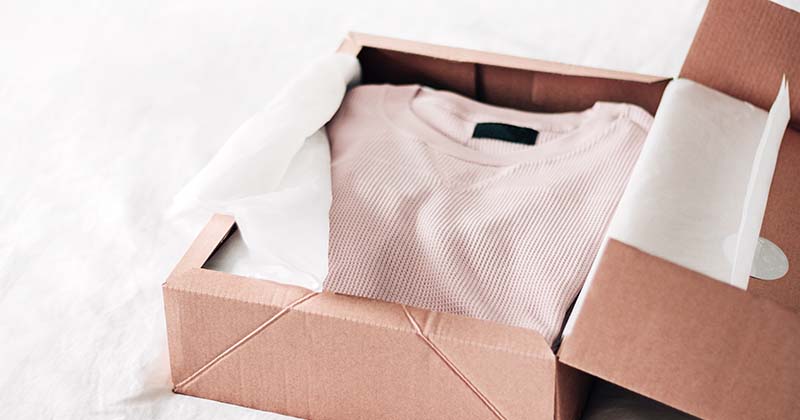
You can get lower MOQs by making the small run profitable for the factory, reducing their risk, or making the order easier and more flexible to produce.
Factories aren’t trying to be difficult with Minimum Order Quantities; they’re just protecting their bottom line. Fixed costs for setup and minimums from their own fabric suppliers mean that very small runs are often unprofitable. If you understand their position, you can negotiate. The goal is to either compensate them for the inefficiency of a small run or make the run less inefficient in the first place. Here’s a breakdown of the levers you can pull.
| Financial and Commitment-Based Strategies | Operational and Design Flexibility Tactics |
|---|---|
|
|
Common MOQ Mistakes Buyers Make
Buyers make costly mistakes by ignoring production realities like fabric minimums, component MOQs, and true landed costs, focusing only on the factory’s per-piece price.
Underestimating Production and Supply Chain Complexity
New buyers often treat MOQ as an arbitrary number to be negotiated down, like haggling for a car. This is a fundamental error. In reality, MOQ is a direct reflection of the physical and economic constraints of the entire supply chain, from fabric mills to the sewing floor. Ignoring these complexities is where inexperienced brands lose money and time.
- Assuming MOQ is arbitrary. It’s not. It’s driven by real costs: fabric dye lot sizes, cutting efficiency, line setup time, and trim supplier minimums. A factory can’t run half a dye lot or set up a sewing line for 20 minutes of work and remain profitable.
- Ignoring component MOQs. You might meet the factory’s 300-piece garment MOQ, but the custom zipper you specified has a 5,000-piece MOQ. Now the factory has to buy thousands of extra zippers, and that cost gets passed to you or the order is rejected. This applies to labels, buttons, and drawcords too.
- Believing low quantity means fast delivery. A small order doesn’t get to skip the line. It still has to wait for fabric booking, sampling, cutting, and line availability. Sometimes, small orders are even delayed as factories prioritize larger, more profitable clients.
- Forgetting about scalability. You found a small workshop to make 50 units. Great. But when the product takes off and you need 1,000 units for a reorder, can that workshop deliver? Many can’t. You’re left scrambling for a new factory that can scale, forcing you to start the sampling and approval process all over again.
Overlooking Financial and Strategic Planning
The second set of mistakes is purely financial and strategic. These are the unforced errors that can sink a brand before it even launches a product. It’s about seeing the full picture of costs and risks, not just the number on a factory’s price list.
- Focusing only on the factory price. A $5 ex-factory price is not a $5 product. Buyers constantly forget to calculate the total landed cost, which includes freight, duties, customs clearance, and insurance. That $5 shirt can easily become an $8.50 shirt by the time it hits your warehouse.
- Launching too many SKUs. New brands often want to launch with 10 styles in 5 colors each. This spreads their budget so thin that they can’t meet a viable MOQ for any single item. It’s better to launch 2 styles in 2 colors and actually hit a production-friendly quantity.
- Expecting low MOQ and low price. You can have one or the other, but rarely both. A low MOQ means higher per-unit costs because the factory’s fixed expenses are spread over fewer items. Buyers who demand both are showing they don’t understand production economics.
- Failing to align orders with cash flow. A common startup mistake is placing an order that ties up all available capital, leaving nothing for marketing, shipping, or unexpected costs. The order size must match your available capital, not just your sales ambition.
Final Thoughts
Understanding MOQ separates brands that scale from those that fail. Focusing only on the lowest number leads to poor quality, surprise costs, and dead-end supplier relationships. A smart production plan uses MOQ as a strategic lever, balancing initial risk with long-term, profitable growth.
Bring your designs to our team for a realistic assessment of your production roadmap. We will help you align your budget with viable MOQs and clear landed costs to build a scalable manufacturing foundation.
Frequently Asked Questions
What is a good Minimum Order Quantity (MOQ) for clothing?
A good MOQ balances a manufacturer’s production efficiency with a brand’s cash flow and inventory risk. It typically ranges from 10 to 300 units per style. What is considered ‘good’ depends on the product’s complexity, the fabric, and the brand’s stage. For startups, 10–100 units allows for market testing with less financial risk. For growing brands, 100–300 units can achieve a more competitive unit price. Complex items like denim often require higher minimums of 200–500 units to cover specialized production costs.
Does the MOQ affect the price of a garment?
Yes, MOQ directly affects the unit price. A higher MOQ almost always results in a lower price per piece, while a lower MOQ leads to a higher price. This is because every production run has fixed costs, such as pattern development, machine setup, and fabric sourcing. With a large order, these costs are spread across many garments, reducing the cost of each one. With a small order, fewer garments must cover the same fixed costs, making each one more expensive.


 English
  French
  Portuguese
  Hindi
Hindi  Italian
  Japanese
  Korean
  Spanish
  Arabic
  German
  Russian